
Introduction
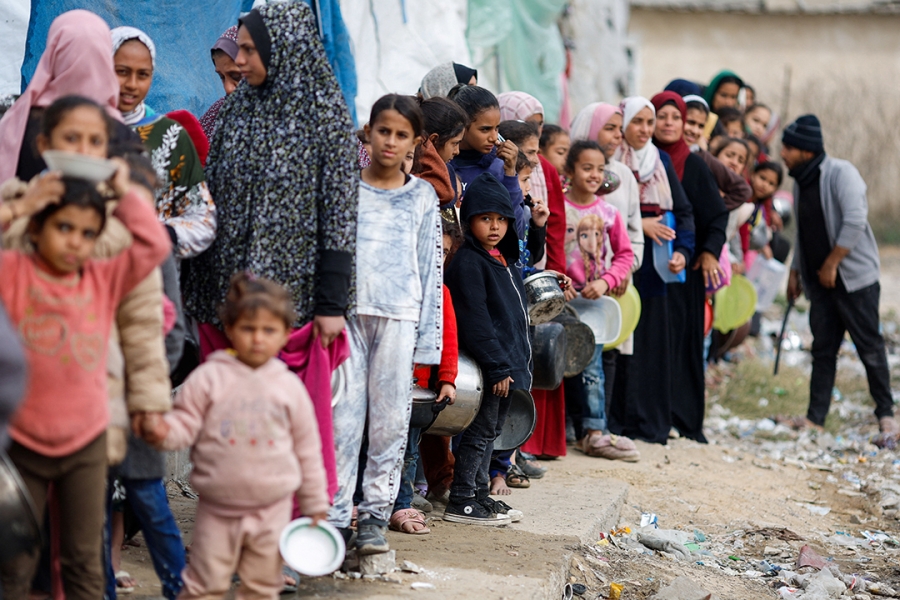
Humanitarian aid plays an important role in supporting families affected by conflict, displacement, poverty and disruptions to essential services in Palestine. When people struggle to access food, clean water, healthcare, shelter or basic household supplies, humanitarian organisations can provide assistance designed to address immediate needs. Such support can help families cope with difficult circumstances while contributing to safer and more stable living conditions.
Providing Essential Food Supplies
Access to sufficient food is one of the most immediate concerns during humanitarian crises. Families may lose their income, experience displacement or face interruptions to local food supplies. Humanitarian organisations can respond by distributing food parcels, ready-to-eat meals and other essential nutritional supplies.
Food assistance can help households meet their basic nutritional requirements when normal purchasing arrangements are disrupted. In some situations, organisations also provide cash or vouchers, allowing families to obtain available food according to their individual needs and local circumstances. A Palestine emergency donation can help provide families with essential food, water, shelter and medical support.
Improving Access to Clean Water
Safe water is essential for drinking, cooking, cleaning and personal hygiene. Damage to infrastructure, shortages of supplies and displacement can make reliable access to clean water difficult for families.
Humanitarian programmes may provide bottled or treated water, water containers and support for water distribution systems. These measures can help households meet basic needs while reducing the risks associated with unsafe water. Hygiene supplies and information about safe water practices can provide additional support.
Supporting Healthcare Needs
Conflict and displacement can create significant barriers to healthcare. Families may struggle to reach medical facilities, obtain medicines or receive treatment for injuries and illnesses. Humanitarian organisations can help by supporting medical facilities, mobile health services, medicine distribution and emergency healthcare programmes.
Healthcare assistance may also include maternal and child health services. Supporting these services is particularly important for pregnant women, children and people with existing healthcare needs who may face additional difficulties during a crisis.
Providing Shelter and Household Items
Families who have been displaced may lose access to suitable housing and essential household possessions. Humanitarian organisations can provide emergency shelter materials, blankets, clothing, mattresses, cooking equipment and other basic items.
Shelter assistance can offer protection from difficult weather conditions and provide families with greater privacy and security. Where accommodation is damaged or unavailable, emergency shelter support can become an important part of humanitarian response efforts.
Protecting Children and Vulnerable People
Children and other vulnerable individuals can face additional risks during humanitarian emergencies. Displacement, family separation, disrupted education and exposure to stressful circumstances can affect children's safety and development.
Humanitarian programmes may provide child protection services, safe spaces, psychosocial support and assistance with family reunification. These services aim to reduce risks and create environments where children can receive appropriate care and support.
Supporting Education
Disruptions to education can have lasting consequences for children and young people. Schools may become inaccessible because of displacement, damaged facilities or wider insecurity. Humanitarian organisations can support temporary learning arrangements, educational materials and other initiatives that help children continue learning where conditions allow.
Education can provide children with structure and opportunities for development during periods of uncertainty. It can also help maintain connections with teachers and peers when normal routines have been interrupted.
Helping Families Maintain Livelihoods
Humanitarian assistance is not limited to immediate emergency supplies. Some programmes also help families protect or rebuild their livelihoods. Depending on local circumstances, this can involve cash assistance, vocational support, agricultural inputs or other forms of economic assistance.
Such programmes can help households meet everyday expenses and reduce dependence on emergency support over time. However, the effectiveness of livelihood programmes depends heavily on access to markets, employment opportunities and wider economic conditions.
Supporting Dignity and Resilience
Humanitarian aid can provide more than material assistance. Giving families appropriate choices and involving communities in support programmes can help preserve dignity during extremely challenging circumstances. Cash-based assistance, for example, can allow households to prioritise their own needs when markets are functioning.
Longer-term humanitarian and recovery efforts can also help communities strengthen their ability to cope with future difficulties. This may include restoring essential services, supporting local organisations and improving access to resources.
Conclusion
Humanitarian aid supports Palestinian families in several interconnected ways, from providing food, clean water and healthcare to offering shelter, education, protection and livelihood assistance. The specific needs of communities can change as circumstances develop, making flexible and coordinated support particularly important. By addressing immediate needs while also supporting dignity, essential services and household resilience, humanitarian assistance can help families navigate severe challenges and work towards greater stability.
Visit Talks Markets for more informative blogs.
Comments
Log in or sign up to join the conversation.