

Report Released On Market Holiday
In a bizarre holiday reporting scenario, the most anticipated economic report on Wall Street was released on Good Friday at 8:30 am.
Futures Took Hit
While the stock market was closed, the S&P 500 futures traded for 45 minutes after the ugly jobs data was moved into the public’s field of vision. The knee-jerk reaction was not pretty; the futures dropped over 19 points and closed near the session low.
A Preview Of Monday’s Open
For those scoring at home, the labor miss on Friday was significant. From CNBC:
March’s report of just 126,000 nonfarm payrolls—about 120,000 less than expected—signals the potential for a rocky start to trading Monday. The stock market was closed for Good Friday, but in morning trading, Dow futures dropped 165 points after the report.
This week’s stock market video may help lower anxiety levels concerning a logical question - will the stock market blow through support levels after Monday’s opening bell?
Fed Speaker Monday
It is always possible that bad news gets interpreted as good news if the Fed decides to throw the market a bone or two. To complicate matters for investors and traders, New York Fed President William Dudley is the first Fed speaker of the week when he discusses the economy in Newark Monday morning. The market will also be reading Wednesday’s Fed minutes closely looking for new clues about the timing of the first rate hike.
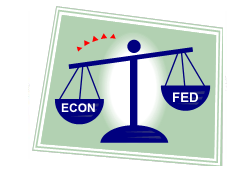 Why Was Bad News Bad News On Friday?
If bad news was always interpreted as good news, we never would have had a financial crisis (2007-2009). At some point, the big picture gets concerning enough that the bad news becomes more important than any good news the Fed can deliver. If we think in hypothetical extremes to illustrate the point, assume the economy morphs into a recession over the next few quarters…the market may begin to say:
“The Fed is out of traditional bullets and the economy and corporate earnings are in big trouble.”
How will we know when we have reached the “bad news is bad news” point of no return? Answer: When market-friendly comments from the Fed fail to stem market declines. While the market will decide when that point has been reached, our guess is we are not there yet, meaning if Fed President Dudley wants to talk up the stock market on Monday, he will be successful. When market-friendly Fed talk fails to have its desired effect, then risk-management takes a big step forward on the priority list.



Comments
Log in or sign up to join the conversation.