
How Does a New Home Construction Loan Work in West Virginia?
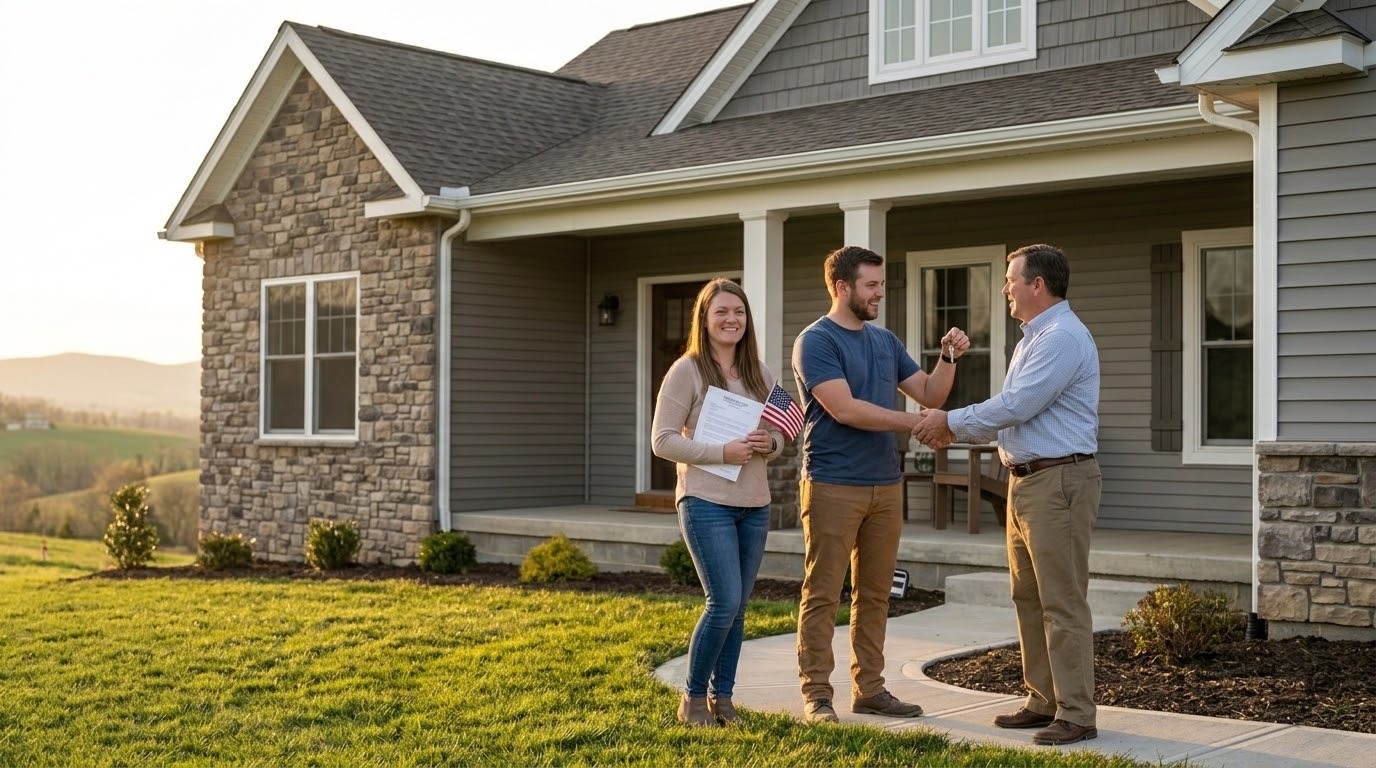
A new home construction loan provides short-term financing that covers the cost of building a home from the ground up, releasing funds in stages as work is completed. Understanding how this financing structure works helps West Virginia homebuilders plan their project, budget accurately, and avoid common pitfalls before breaking ground.
Key Takeaways
Construction loans disburse funds in draw stages tied to completed milestones, not as a lump sum
Lenders require approved plans, a licensed builder, and a detailed budget before approval
Interest is typically charged only on the amount drawn, keeping early payments manageable
Most construction loans convert to a permanent mortgage once the home passes final inspection
Down payments for construction loans range from ten to twenty-five percent depending on the lender
Community banks in West Virginia often offer more flexible underwriting for rural and mountain properties
What Sets a Construction Loan Apart from a Standard Mortgage?
A new home construction loan differs from a traditional purchase mortgage in one fundamental way: the collateral does not exist yet when you borrow. Instead of lending against an existing home with a known market value, the lender is financing a future property based on architectural plans, a builder's credentials, and a projected completion value. This elevated risk means approval requirements are stricter and the loan structure is more complex.
Standard mortgages release the entire loan amount at closing, which the buyer uses to purchase the home outright. Construction loans work in draws, with funds released at each completed stage of building. Common milestones include foundation poured, framing complete, roof installed, mechanical rough-in finished, drywall hung, and final finishes complete. Each draw typically requires a lender inspection before funds are released.
During the construction phase, borrowers usually pay interest only on the amount that has been drawn to date rather than the full loan balance. This keeps monthly payments lower while the home is being built, which is especially helpful for borrowers who are still paying rent or a mortgage on an existing property. As more draws are taken, the interest-only payment grows proportionally.
Once construction is complete and the home passes a final inspection, the loan transitions to a permanent mortgage. Many lenders offer construction-to-permanent loans, also called one-time-close loans, which handle this transition automatically. This approach saves borrowers from paying two sets of closing costs and eliminates the need to requalify for a separate mortgage after construction ends.
How Do Draw Schedules Work Throughout the Build?
The draw schedule is a written agreement between the borrower, builder, and lender that outlines exactly when funds will be released and how much each draw covers. Draws are tied to construction milestones rather than calendar dates, which aligns disbursements with actual project progress. This structure ensures money is spent on the build rather than sitting idle or used for unrelated expenses.
Before each draw is released, the lender typically sends an inspector to verify the work has been completed as described. The inspector confirms the milestone meets agreed standards and that the project is on track relative to the budget and timeline. This inspection adds a short delay between requesting a draw and receiving funds, so builders and borrowers should plan for a few business days between request and payment.
Some builders require partial payment upfront to purchase materials or mobilize crews. Many draw schedules accommodate this by including an initial disbursement before ground is broken. Discussing payment expectations with your builder before applying for the loan helps you structure a draw schedule that keeps the project moving without creating cash flow gaps that could stall construction at a critical stage.
Most construction loan draw periods run between six and twelve months, covering the expected timeline from groundbreaking to certificate of occupancy. If the project takes longer due to weather, material delays, or permitting issues, borrowers may need to request an extension. Building a contingency budget of ten to fifteen percent above the base construction estimate provides a financial cushion for these situations.
What Do Lenders Evaluate Before Approving a Construction Loan?
Lenders evaluate construction loan applications more carefully than standard mortgage applications because the loan is secured by an asset that does not yet exist. Your personal financial profile matters, including credit score, debt-to-income ratio, income documentation, and employment history. Most lenders prefer a credit score of at least 680, though community banks may consider applications with slightly lower scores when other factors are strong.
Builder qualifications are equally important to lenders. Your contractor must be licensed and insured, and most lenders want to see a track record of completed residential construction projects. Some institutions maintain an approved builder list, while others evaluate contractors individually. Providing references, photos of completed projects, a valid license number, and a signed construction contract strengthens your application and speeds up the review process.
A detailed project budget is essential. Lenders want to see a line-by-line cost breakdown covering excavation, foundation, framing, roofing, mechanical systems, insulation, drywall, finishes, permits, and contingency reserves. Submitting a vague or incomplete budget signals financial inexperience and can result in delays or denials. Working with your builder to produce a thorough budget before submitting your application demonstrates discipline and planning.
Land ownership also plays a role in the approval process. If you already own the lot where you plan to build, the land equity can often count toward your down payment requirement, reducing the cash you need to bring to closing. If you are purchasing land and building simultaneously, the lender will calculate the combined loan amount against the appraised future value of the completed home to determine whether the project meets their loan-to-value guidelines.
What Are the Costs and Down Payment Requirements to Expect?
Down payment requirements for construction loans are higher than those for conventional purchase mortgages. Most lenders require between ten and twenty-five percent down depending on your credit profile, the total project cost, and their specific guidelines. A larger down payment reduces the lender's exposure and can sometimes help you qualify for a better interest rate, which matters because rates on construction loans are typically higher than rates on standard mortgages.
Closing costs on construction loans are also more substantial than those on purchase mortgages. You will pay for a future-value appraisal, which requires the appraiser to estimate the completed home's worth based on plans rather than a physical inspection. You will also pay for title insurance, origination fees, and any inspection fees associated with the draw process. These costs can add up to several thousand dollars beyond the down payment.
Contingency reserves are a critical part of the budget that some first-time builders overlook. Lenders often require borrowers to demonstrate they have reserves available to cover cost overruns, or they build a contingency holdback into the loan structure. Having ten to fifteen percent above the base project estimate set aside prevents a mid-project budget shortfall from stalling construction and triggering default on the construction loan.
Interest costs during construction depend entirely on how quickly you draw funds and how long the build takes. In a six-month build, you might draw funds in three to five stages, paying interest only on amounts disbursed. In a twelve-month build with higher draws earlier in the process, interest costs accumulate more significantly. Discussing draw timing with your builder before closing helps you estimate total interest expense during the construction phase.
How Does the Loan Transition to a Permanent Mortgage After Construction?
The transition from construction financing to a permanent mortgage depends on the loan structure you chose at closing. With a construction-to-permanent loan, the conversion happens automatically after the lender receives the final inspection report and certificate of occupancy. Your interest-only construction payments shift to full principal-and-interest mortgage payments on the agreed loan amount, and the loan term resets according to the permanent mortgage schedule.
With a two-close structure, you close on the construction financing first and then apply for a separate permanent mortgage once construction is complete. This approach gives you flexibility to shop for mortgage rates after the build rather than locking in at the construction loan closing. However, it also means paying two sets of closing costs, which adds to the overall expense of building. Borrowers who expect rates to fall during their build sometimes prefer this structure.
At conversion, the lender orders a final appraisal to confirm the completed home's value meets or exceeds the estimate used during underwriting. If the home appraises at or above cost, you may have immediate equity in the property. If costs ran over budget and the home appraises below the total loan amount, you may need to bring additional cash to the permanent mortgage closing to satisfy loan-to-value requirements.
Having all your documentation organized before requesting the final draw and conversion helps the process move smoothly. Final contractor invoices, lien releases from subcontractors, the certificate of occupancy from your local building department, and final insurance binders are all typically required. Missing documents can delay conversion and extend the construction loan period, resulting in additional interest charges.
Why Should West Virginia Homebuilders Choose a Local Lender?
Local lenders understand the West Virginia and Virginia real estate markets in ways that national banks simply cannot replicate from a centralized servicing center. They know which counties have active builder markets, which areas present rural appraisal challenges, and how mountain terrain or limited comparable sales data affect future-value appraisals for new construction. This local knowledge leads to more accurate project evaluations and fewer surprises at appraisal.
Community banks also offer more personalized service during the construction process. Rather than navigating a national bank's phone system to get a draw approved, you work directly with a loan officer who knows your project and can answer questions quickly. This responsiveness matters when a draw needs to be processed promptly to keep your contractor on schedule and avoid idle time costs on the job site.
Construction mortgage financing through a community institution often comes with more flexible underwriting for rural properties, agricultural land, and non-traditional building sites. National lenders frequently struggle with appraisals in areas with few comparable sales or properties that include outbuildings, wells, and septic systems. Local lenders are accustomed to these features and can evaluate them accurately within West Virginia market conditions.
Building a relationship with a community bank during the construction process also positions you well for future financial needs. Once your permanent mortgage is in place, that same institution can be a natural partner for refinancing, home equity products, or deposit accounts as your financial life grows alongside your new home. Starting that relationship early creates a foundation of trust and familiarity that benefits you over the long term.
Conclusion
Financing a new home build in West Virginia involves more steps than purchasing an existing property, but understanding how a new home construction loan works makes the process far less intimidating. From draw schedules and builder requirements to down payment expectations and permanent mortgage conversion, each element serves a clear purpose in protecting both you and your lender throughout the project. Capon Valley Bank serves homebuilders across West Virginia and Virginia with construction loan solutions tailored to local market conditions, helping residents turn plans into reality with community-focused financing.
FAQs
Can land equity count toward my down payment on a construction loan?
Yes, if you already own the lot where you plan to build, the equity in that land can often be applied toward your down payment requirement. Your lender will require an appraisal to determine the land's current market value and calculate how much of it qualifies. Providing documentation of when and how you acquired the property speeds up this part of the review.
How long does it take to get a construction loan approved?
Construction loan approvals generally take longer than standard mortgage approvals because lenders must review builder credentials, project plans, and a future-value appraisal. Most borrowers should plan for four to eight weeks from application submission to closing, though a well-prepared and complete application can sometimes move through underwriting faster.
What happens if construction costs exceed my loan amount?
If project costs exceed your approved loan balance, you will need to cover the difference from personal savings or negotiate an increase with your lender before the project stalls. Maintaining a contingency reserve of ten to fifteen percent above your base construction estimate is the most effective way to prevent this situation from interrupting your build.
Do I make payments during the construction phase?
Yes, most construction loans require monthly interest-only payments during the build, calculated on the total amount drawn to date rather than the full loan balance. These payments are typically lower than permanent mortgage payments and are designed to remain manageable while you continue covering your current housing costs.
Is it harder to qualify for a construction loan than a regular mortgage?
Construction loans do have stricter documentation requirements, particularly around builder qualifications and the project budget. However, borrowers with solid credit, a reasonable debt-to-income ratio, and a well-prepared project package can qualify successfully through a community bank that understands local market conditions in West Virginia.
Comments
Log in or sign up to join the conversation.