
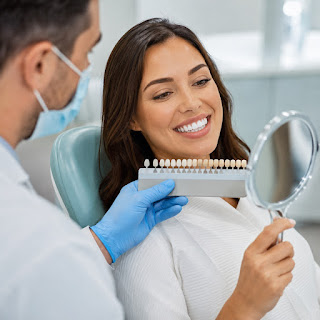
If you've considered cosmetic dental work, you've probably noticed how different the results look compared to a decade ago. That's not coincidence. The technology powering smile improvements has shifted significantly & it's worth knowing what's available.
The cosmetic dental landscape has evolved beyond traditional approaches. What dentists now call aesthetic dentistry encompasses everything from smile design software to advanced materials that blend seamlessly with your natural teeth. The shift has been gradual, but the outcomes are noticeably different. Patients get more predictable results, better control over the final look & work that lasts longer. Get the perfect smile with cosmetic dentistry in Campbelltown! Click here to schedule your appointment.
Digital smile design represents one of the most practical advances. Instead of describing what you want through sketches or vague discussions, your dentist can now map your smile digitally. The software analyzes your face proportions, lip position & tooth shape in relation to your overall features. You see a preview of the proposed changes before any work begins. This eliminates the guesswork & ensures both you as well as your dentist are aligned on the goal.
CAD/CAM technology has transformed how restorations are made. Dentists can now mill crowns, veneers & inlays in-house using 3D milling machines. This means fewer appointments, tighter fits & immediate results for many cases. The materials used-porcelain as well as composite resins-match natural tooth color with precision that earlier generations couldn't achieve.
Teeth whitening has evolved too. Professional-grade systems now use hydrogen peroxide or carbamide peroxide at concentrations calibrated to your tooth structure. LED-accelerated whitening reduces treatment time while minimizing sensitivity. Results last longer & look more uniform than over-the-counter options.
Clear aligner technology continues improving. Modern systems use refined 3D imaging & artificial intelligence to map tooth movement with accuracy that traditional braces struggled to match. Patients get straighter teeth with minimal visibility, which appeals to adults wanting aesthetic improvement without the obvious brackets.
Veneer materials have become more durable & realistic. Ultra-thin veneers require less tooth reduction, which means more of your natural tooth remains. The porcelain replicates the translucency of real enamel, so the final result doesn't look artificial or overly white.
The practical benefit is this: you get faster treatment, more predictable outcomes & work that aligns with how your face actually looks. Digital planning removes assumptions. Better materials mean your investment lasts years, not months. If you're considering aesthetic work, ask your dentist what technologies they use. The difference between offices often comes down to the tools they've adopted.
Author Bio:-
Ansley has 12 years of experience in the dental world. You can find his thoughts at qualified dentists blog.
Comments
Log in or sign up to join the conversation.