

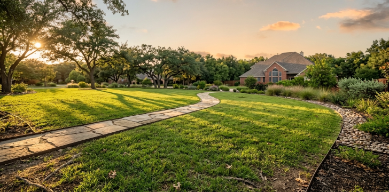
A well-maintained yard can make a home feel cleaner, more inviting, and easier to enjoy. In Dallas, keeping outdoor spaces in good condition often requires a practical routine that accounts for changing weather, grass growth, soil conditions, watering needs, and everyday use.
Everyday yard care does not have to mean constantly working outside. The better approach is to handle small maintenance tasks consistently so they do not turn into larger problems. Regular mowing, proper watering, edging, weed control, soil care, and seasonal cleanup can all contribute to a healthier landscape.
For homeowners looking to improve their outdoor spaces, the key is to create a routine that works with the property rather than simply reacting whenever the lawn starts looking neglected.
Understand What Your Yard Needs
Every residential lawn has different requirements. Some yards receive plenty of sunlight, while others have large shaded sections beneath mature trees. Soil conditions can also vary considerably from one property to another.
Before changing a maintenance routine, homeowners should look closely at the lawn. Thin grass, bare patches, standing water, excessive weeds, or areas that dry out quickly can all indicate underlying problems.
Understanding these signs makes it easier to decide which maintenance tasks deserve attention first.
Look at Soil and Drainage
Healthy grass depends heavily on the condition of the soil beneath it. Compacted soil can restrict root growth and make it difficult for water and air to reach the root zone.
Drainage is equally important. Water that repeatedly collects in one part of the yard can weaken grass and create muddy conditions.
Improving drainage and soil structure can therefore provide benefits that go beyond the surface appearance of the lawn.
Establish a Practical Dallas Lawn Service Routine
A consistent dallas lawn service routine can make everyday yard care much easier to manage. Instead of waiting until the lawn becomes overgrown or damaged, homeowners can divide maintenance into smaller tasks performed throughout the year.
Mowing, edging, watering, weed monitoring, and seasonal cleanup each contribute to the overall condition of the landscape. When these tasks are handled regularly, homeowners can identify potential problems before they become difficult to correct.
The ideal routine should be realistic for the property and flexible enough to change as weather and grass growth change.
Mow the Lawn Correctly
Mowing is one of the simplest ways to influence the appearance and health of a lawn. However, cutting grass too short can place unnecessary stress on the plants.
A suitable mowing height allows grass to maintain enough leaf surface for healthy growth while helping protect the soil from excessive exposure.
Mower blades should also remain sharp. Dull blades can tear grass, leaving rough-looking ends and potentially making the lawn more vulnerable to stress.
Keep Edges Clean
Edging around sidewalks, driveways, patios, and garden beds creates a cleaner transition between different areas of the landscape.
It may seem like a minor detail, but properly defined lawn edges can make a residential yard look considerably more organized.
Regular edging also prevents grass from gradually spreading into unwanted areas.
Pay Attention to Watering
Watering should be based on actual lawn conditions rather than following the exact same schedule throughout the year.
Hot and dry periods can increase moisture requirements, while rainfall may reduce the need for supplemental irrigation. Checking the soil and observing the grass can help homeowners determine when watering is genuinely necessary.
Overwatering should also be avoided. Excess moisture can contribute to drainage problems and create conditions that are unfavorable for healthy turf.
An efficient irrigation system can make watering more consistent, especially when different areas of the property have different moisture requirements.
Improve Lawn Quality With Sod Installation
When sections of a lawn are severely damaged or completely bare, normal maintenance may not be enough to restore them quickly. Sod installation can provide an established layer of turf and create a faster visual improvement.
However, laying sod is not simply a matter of placing grass over existing ground. The surface should be properly prepared and leveled before installation.
After installation, watering becomes especially important while the new turf develops roots. Proper follow-up care helps the sod transition successfully into its new environment.
For homeowners considering a larger lawn improvement project, sod can be a useful option when existing turf is beyond simple repair.
Control Weeds Before They Take Over
Weeds compete with grass for sunlight, water, nutrients, and growing space. A small number may seem harmless, but they can spread quickly when conditions are favorable.
A strong lawn is one of the best defenses against weeds because dense turf leaves fewer open spaces for unwanted plants to establish.
Homeowners should also pay attention to locations where weeds repeatedly appear. Recurring weed growth can sometimes point toward poor soil, excessive moisture, thin turf, or another underlying condition.
Treating the cause along with the visible weeds can produce more lasting results.
Take Care of Trees and Shrubs
The lawn is only one part of a residential landscape. Trees and shrubs can significantly influence how the entire yard looks and functions.
Overgrown branches may block sunlight from reaching grass, while poorly maintained shrubs can make walkways and garden beds appear crowded.
Regular trimming helps maintain a balanced appearance and can prevent plants from interfering with other parts of the landscape.
Consider Sunlight Before Planting
Plant selection should take the amount of available sunlight into account. A plant that performs well in full sun may struggle in a heavily shaded area.
Similarly, grass growing beneath large trees may have different requirements from turf growing in an open section of the yard.
Choosing plants according to actual site conditions can reduce future maintenance problems.
Adjust Yard Care With the Seasons
One fixed maintenance schedule rarely works perfectly throughout the entire year. Grass growth, rainfall, temperature, and plant activity can all change with the seasons.
During periods of active growth, mowing may need to occur more frequently. Seasonal cleanup may become more important when leaves and other debris accumulate.
In warmer or drier periods, homeowners may need to pay closer attention to soil moisture and signs of lawn stress.
A flexible dallas lawn service approach allows maintenance decisions to change when the conditions of the property change.
Deal With High-Traffic Areas
Family activities, pets, outdoor gatherings, and regular walking can create additional wear on certain parts of the lawn.
High-traffic areas may gradually become thin, compacted, or bare. If these sections are ignored, they can become increasingly difficult to maintain.
Homeowners can reduce damage by identifying heavily used areas and adjusting their landscape accordingly. In some cases, stronger turf maintenance may be enough. In others, a pathway, stepping stones, or another landscape feature may make more sense.
Good landscape planning considers how people actually use the yard.
Avoid Common Lawn-Care Mistakes
Many lawn problems develop because of simple maintenance mistakes rather than a lack of effort.
Mowing too short, watering excessively, ignoring soil compaction, and allowing weeds to spread are all common issues that can gradually reduce lawn quality.
Another mistake is treating every section of the yard identically. Areas with different levels of sunlight, drainage, and foot traffic may require different approaches.
Do Not Ignore Small Problems
A small bare patch may be easy to repair. A larger damaged area can require much more preparation and expense.
The same principle applies to weeds, drainage problems, irrigation issues, and overgrown plants.
Regularly walking through the yard gives homeowners an opportunity to spot changes early and address them before they become major maintenance projects.
Make Everyday Maintenance Easier
Good yard care should fit naturally into a homeowner's routine. Creating a simple maintenance calendar can prevent important tasks from being forgotten.
For example, mowing and edging can be handled according to grass growth, while larger tasks such as pruning, soil improvement, and seasonal cleanup can be planned in advance.
This approach makes maintenance less overwhelming because the homeowner is not trying to complete everything at once.
A second dallas lawn service schedule can also be useful for properties that require regular professional assistance with multiple areas of the landscape.
When Professional Lawn Care Can Help
Some homeowners enjoy handling their own yard work, while others prefer professional assistance. Professional maintenance can be particularly helpful when a property has extensive turf, recurring weeds, difficult drainage, large planting areas, or demanding seasonal requirements.
Professional support can also provide consistency for homeowners who do not have enough time to manage every maintenance task themselves.
For residents looking for organized lawn and landscape care, The Grounds Guys of Dallas can be considered when planning ongoing outdoor maintenance.
Build a Long-Term Yard Care Plan
The best-looking lawns are usually maintained through many small improvements rather than one major project.
A long-term plan can include regular mowing, edging, irrigation checks, weed monitoring, soil improvement, seasonal cleanup, tree and shrub maintenance, and turf repairs.
These tasks can be scheduled according to the property's actual needs rather than completed randomly.
A reliable dallas lawn service plan can help homeowners stay ahead of routine maintenance while making it easier to recognize when the yard needs additional attention.
Conclusion
Everyday yard care becomes much easier when it is approached as an ongoing process rather than a series of emergency fixes. Regular mowing, sensible watering, weed control, soil care, proper edging, seasonal maintenance, and timely turf repairs can all contribute to a stronger landscape.
For Dallas homeowners, adapting maintenance to local conditions and the specific needs of each property can make outdoor spaces healthier and easier to enjoy. With a practical routine and consistent attention, even small maintenance improvements can make a noticeable difference over time.
Frequently Asked Questions
How often should a Dallas lawn be mowed?
Mowing frequency depends on grass type, season, rainfall, and growth rate. The lawn should generally be mowed when it has grown enough to require cutting rather than following an identical calendar schedule.
Is watering every day necessary?
Not necessarily. Watering requirements change according to weather, rainfall, soil, grass condition, and season. Checking the lawn and soil can help prevent both underwatering and unnecessary irrigation.
When is sod installation a good option?
Sod can be useful when large areas of turf are damaged, bare, or difficult to restore through normal maintenance. Proper ground preparation and follow-up care are important for successful establishment.
How can homeowners reduce weed problems?
Maintaining dense, healthy turf can reduce available space for weeds. Regular monitoring and addressing underlying problems such as poor soil or excessive moisture can also help.
Does professional lawn care improve curb appeal?
Consistent mowing, edging, healthy turf, managed planting beds, and maintained trees and shrubs can all contribute to a cleaner and more attractive residential landscape.
Comments
Log in or sign up to join the conversation.