

In modern manufacturing, producing a plastic component is not simply about creating a shape. The finished part must meet specific dimensions, perform reliably, look consistent and remain suitable for its intended application. Even small variations in thickness, weight, surface finish or geometry can affect the performance of a product. This is why custom moulding has become an important approach for businesses that need dependable, repeatable plastic components.
Unlike standard production methods that may rely on generic tooling or predetermined designs, custom moulding is built around the individual requirements of a product. From mould design and material selection to processing conditions and quality checks, each stage can be adapted to achieve the desired result. When these factors are carefully controlled, manufacturers can produce components with greater consistency and fewer quality issues.
Designing the Mould Around the Product
One of the biggest advantages of custom moulding is the ability to develop tooling specifically for the component being manufactured. The mould can be designed around the required dimensions, geometry, wall thickness, features and assembly requirements. A carefully designed mould helps control how molten plastic flows through the cavity.
This can reduce problems such as incomplete filling, warping, sink marks and uneven surfaces. Features such as ribs, bosses, holes and clips can also be incorporated into the mould with greater precision. This product-focused approach provides a stronger foundation for consistent manufacturing. Once the mould has been properly developed and validated, every production cycle can follow the same basic process, helping to minimise unwanted variation between parts.
Better Control Over Dimensions
Dimensional accuracy is particularly important when plastic components need to fit with other parts. A small dimensional difference may result in loose connections, difficult assembly or poor product performance. Custom moulding allows manufacturers to consider tolerances during the design and tooling stages. Critical dimensions can be identified early, while the mould can be developed to support the required level of accuracy. Production conditions can then be monitored to maintain those dimensions over larger production runs. Consistent temperatures, pressures, cooling conditions and cycle times all contribute to repeatable results. This level of process control can help businesses maintain a more predictable standard from the first component to the last.
Consistent Material Performance
The choice of plastic material has a direct effect on product quality. Different polymers offer different levels of strength, flexibility, chemical resistance, heat resistance and durability. Choosing the right material is therefore an important part of any moulding project. With custom moulding, material selection can be considered alongside the product's actual operating requirements. Manufacturers can assess whether the component needs to withstand repeated impact, elevated temperatures, moisture, chemicals or mechanical stress. Using an appropriate material and processing it correctly helps ensure that finished parts behave consistently. It can also reduce the risk of defects caused by unsuitable material characteristics or incorrect processing conditions.
Improved Surface Finish and Appearance
For many products, quality is judged not only by performance but also by appearance. Visible defects such as blemishes, flow marks, inconsistent texture and discolouration can make an otherwise functional component unsuitable. Custom moulding provides greater control over factors that influence surface appearance. The mould surface, material, cooling system and processing parameters can all be considered when developing the manufacturing process. Where appearance is important, the tooling can be designed with the desired texture or finish in mind. Consistent processing can then help reproduce that finish across production batches, creating a more uniform appearance throughout the finished product range.
Reducing Defects Through Process Control
Defects can become expensive when they occur repeatedly. Scrap, rework, production delays and rejected components can all increase manufacturing costs. A well-planned custom moulding process aims to identify potential problems before large-scale production begins. Prototype evaluation, mould trials and process adjustments can reveal issues that might otherwise appear later. Once suitable production parameters have been established, they can be monitored and maintained throughout manufacturing. This systematic approach helps reduce unnecessary variation and supports a more stable production process.
Supporting Efficient Production
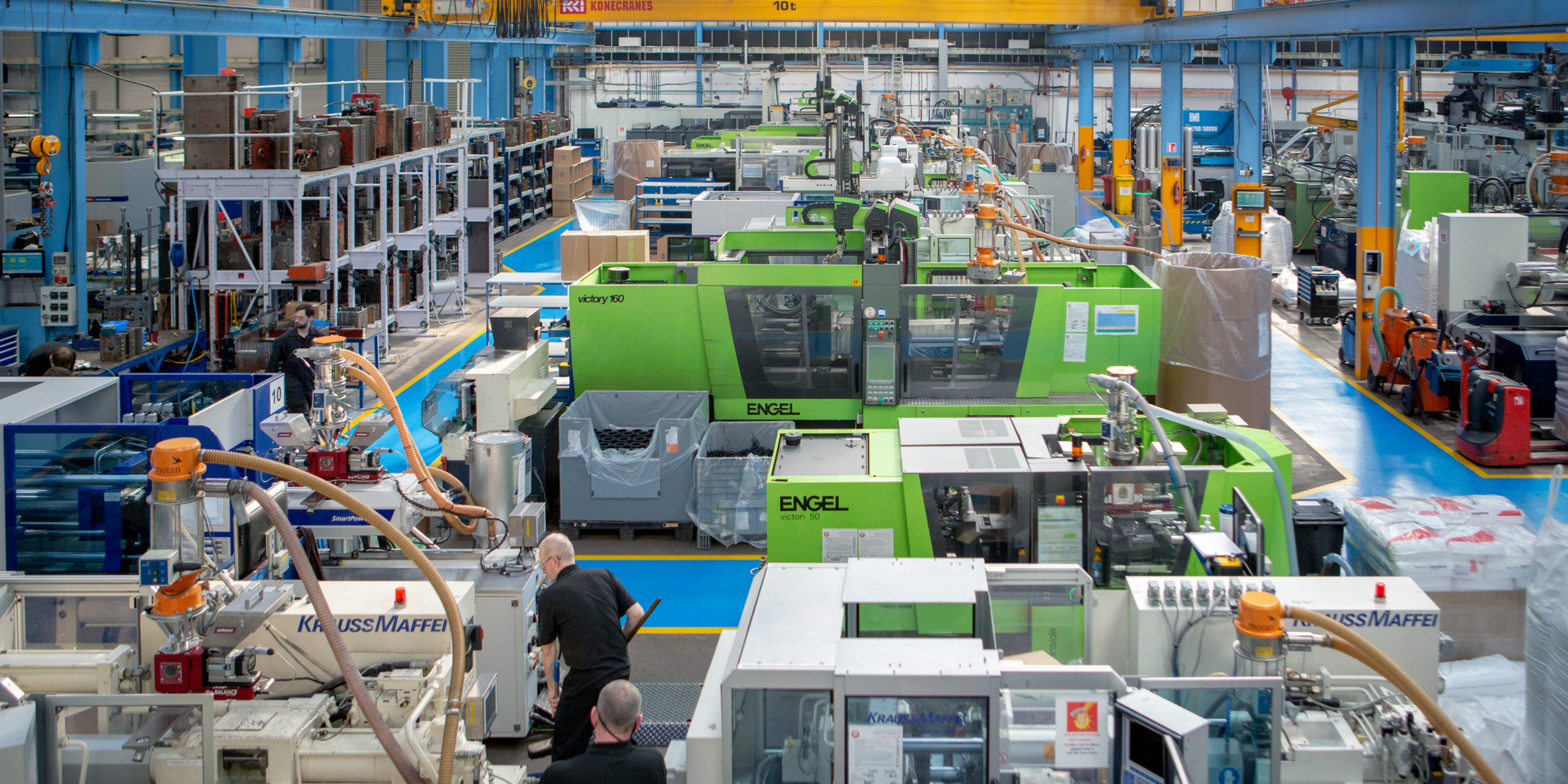
Quality and efficiency are closely connected. A process that consistently produces acceptable components is generally easier to manage than one that requires frequent adjustments or manual correction. Custom tooling can be designed to support efficient production, including appropriate cooling, material flow and part ejection. Depending on the component and production requirements, automation and repeatable machine settings can further improve consistency. The result is a manufacturing process that is not simply focused on producing large quantities, but on producing those quantities to an agreed quality standard.
Custom Moulding Solutions for Complex Components
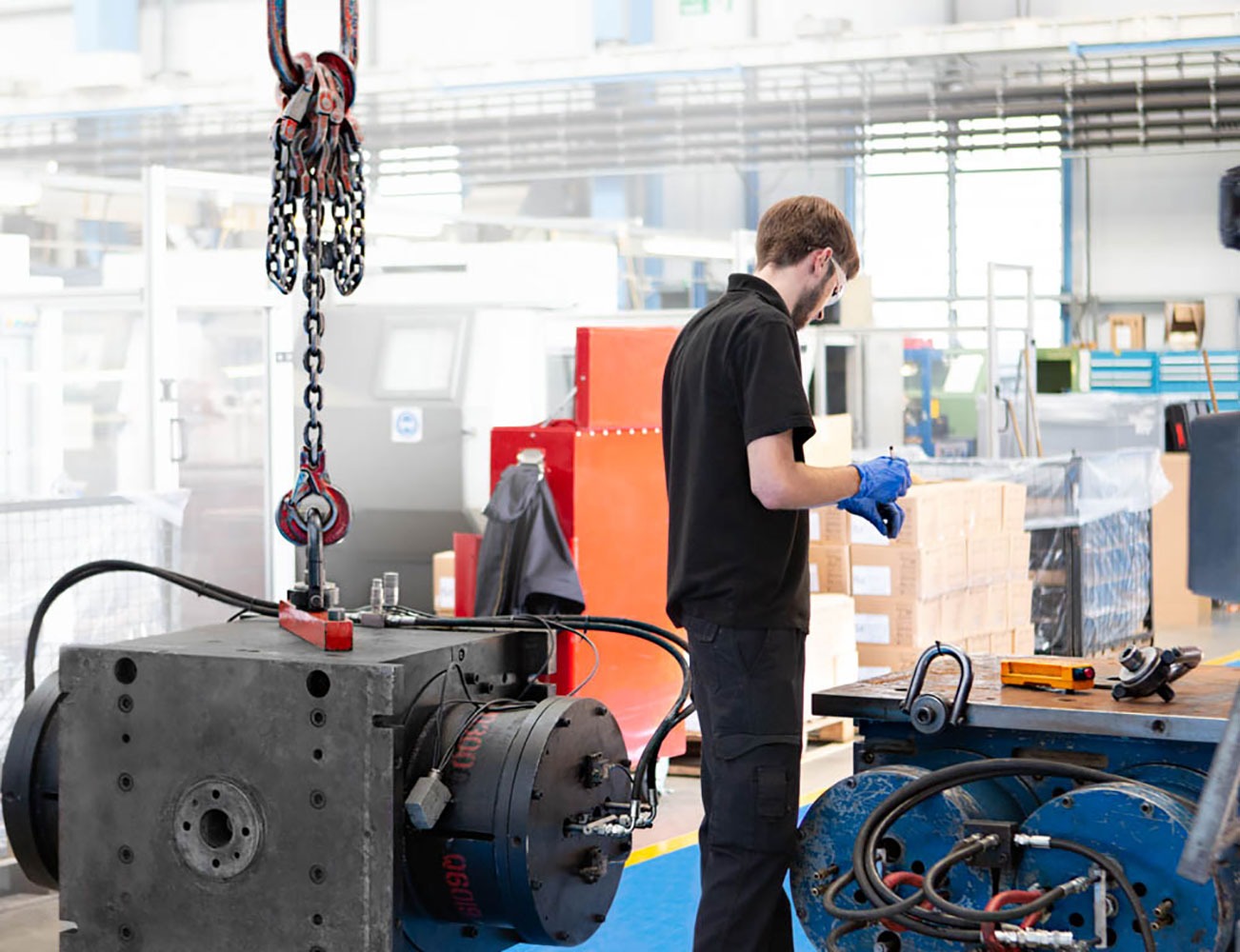
Some plastic products have shapes and features that are difficult to manufacture using conventional approaches. Complex geometries, thin walls, integrated clips, multiple functional features or tight tolerances may require careful planning.
This is where tailored injection moulding solutions can provide significant value. The mould, material and manufacturing process can be considered together rather than treating each element separately.
Design engineers can identify potential manufacturing challenges at an early stage and make practical changes where necessary. This may involve adjusting wall thickness, improving draft angles, repositioning features or changing the location of gates. Such improvements can make the component easier to manufacture while supporting the required quality.
Consistency Across Production Runs
For businesses ordering plastic components repeatedly, consistency is just as important as initial quality. A part that performs well during the first production run should continue to meet the same requirements in subsequent batches. Documented production settings, controlled tooling and appropriate inspection procedures can help maintain this consistency. Regular checks can identify deviations before they become widespread, while properly maintained moulds can continue delivering reliable results over their useful life. This repeatability is particularly valuable when moulded components are used as part of larger assemblies. Consistent dimensions allow components to fit together more reliably, reducing assembly difficulties and helping maintain the quality of the final product.
Quality Begins Before Production
One of the most important principles of successful custom moulding is that quality should not be treated as something checked only at the end of manufacturing. It needs to be considered from the beginning of the project. Design decisions, material selection, tooling development and process planning all influence the final component. By addressing these factors early, manufacturers can reduce avoidable problems and create a more reliable production route.
This approach can also make future improvements easier. Once a component and its manufacturing process are well understood, production teams have a clear reference point for monitoring performance and identifying opportunities for optimisation.
Conclusion
Custom moulding offers manufacturers a practical way to improve both product quality and production consistency. By creating tooling around specific product requirements, controlling material and processing conditions, and paying close attention to design and quality standards, businesses can achieve more reliable results. Well-planned injection moulding solutions can therefore help manufacturers produce dependable plastic parts while reducing defects, waste and unnecessary production complications. For businesses seeking a manufacturing partner capable of combining engineering knowledge with practical moulding expertise, Rutland Plastics provides a tailored approach focused on producing quality plastic components consistently.
Read More: How to Choose the Best Materials for Custom Moulding
Comments
Log in or sign up to join the conversation.