

With the CLARITY Act stalled, US crypto platforms are adapting to SEC, CFTC and OCC rulemaking. Here's how exchanges and brokers are adjusting.
For most of the past two years, the US crypto industry worked on a simple assumption: Congress would eventually hand it a rulebook. That assumption took a heavy blow in September, when the Senate failed to advance the Digital Asset Market Clarity Act on a 49-50 cloture vote, well short of the 60 needed to open debate.
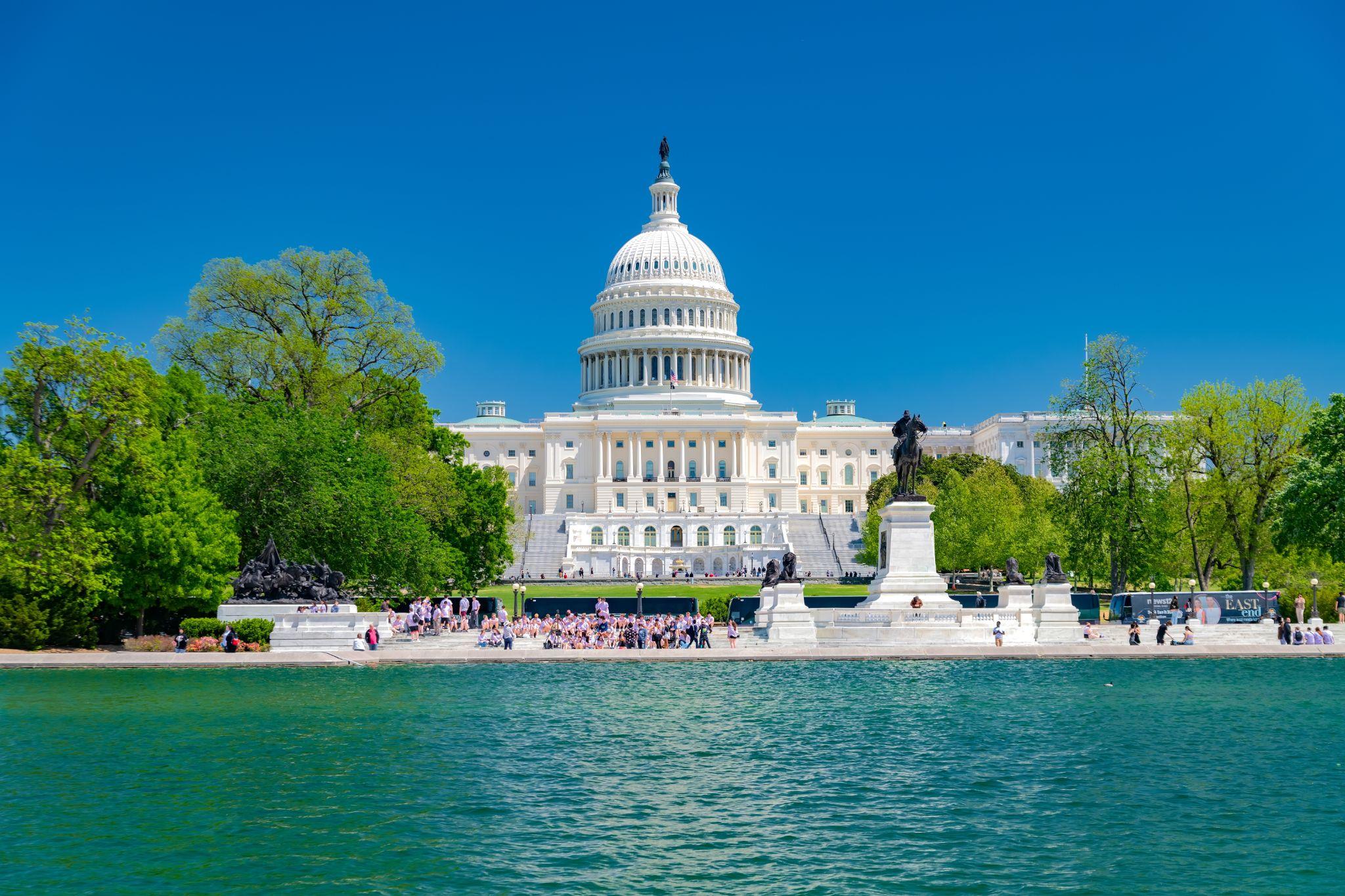
The bill isn't formally dead. Senator Thom Tillis entered a motion to reconsider, keeping the bill procedurally alive. But with the midterms in early November and the current Congress expiring in January, few observers expect market structure legislation before 2027. Rules are now being written by agencies, and platforms are rebuilding their compliance plans accordingly.
Regulators Step Into the Space Congress Left Open
Two days after the failed vote, the CFTC sent a rulemaking package to the White House for review. It resurfaced in October as an advance notice covering two proposed regimes, Regulation Crypto Asset Transactions and Regulation Crypto Asset Markets. The second would create a new "crypto asset market" category of designated contract market, built for leveraged, margined or financed retail crypto trading. Comments on the CFTC's docket stay open until mid-December.
The SEC is moving in parallel. Its proposed Regulation Crypto Assets, released in August, would carve out exemptions from Securities Act registration for certain crypto investment contracts, paired with a principles-based disclosure regime.
For any US crypto trading platform, this is a mixed blessing. Agency rules are easier to challenge in court and easier for a future commission to unwind. They are also the rules that will actually apply for the next year or two, and the firms adapting fastest are treating them that way.
A Token Taxonomy That Rewrote the Listing Playbook
The document that has shaped platform behavior most this year is the joint interpretation the SEC and CFTC published in March. It sorts crypto assets into five buckets: digital commodities, digital collectibles, digital tools, stablecoins and digital securities. Only the last is a security outright.
Bitcoin, Ether, Solana and XRP were among the tokens identified as digital commodities, a list largely drawn from assets that already underlie futures on CFTC-regulated exchanges. For listing committees, a years-long legal guessing game became a mapping exercise. Advisers now tell exchanges to classify every asset they list against the joint interpretation and to check whether any sale is structured as an investment contract, since a non-security token can still be sold in a securities transaction.
Token menus are increasingly built around classification memos. Assets with a clean commodity profile are easier to support, while anything tied to an issuer promising returns draws far more scrutiny.
Spot and Leverage Are Being Pulled Apart
The CFTC notice also spotlights a distinction many retail users never consider: whether a purchase is fully paid and delivered, or financed. Under the agency's preliminary reading, actual delivery may require meaningful control of the asset, possibly including private keys, generally within 28 days. More strikingly, a fully paid purchase could still fall under futures-style oversight if the seller offered financing and the buyer simply declined it.
That pushes platforms toward cleaner product design, with unleveraged spot desks kept structurally separate from margin products. Leverage, meanwhile, is drifting toward CFTC-supervised venues. One CFTC-regulated exchange offered an early template late last year, becoming the first CFTC-regulated exchange to list leveraged spot crypto.
Some CFTC-registered brokers route spot crypto orders to a regulated partner rather than custodying coins themselves. Paxos, whose itBit exchange is supervised by the New York Department of Financial Services, is one such provider, and it was among five crypto firms granted conditional OCC approval for a national trust charter last December.

Stablecoin Shelves Face a January Deadline
Stablecoins are the one area where Washington has actually legislated. The GENIUS Act became law in July 2025, and in October the OCC finalized its implementing rule, with both taking effect in mid-January 2027.
From then, platforms generally cannot offer a payment stablecoin to US persons unless its issuer is permitted under the Act or meets the conditions for foreign issuers. Stablecoin pairs are being audited accordingly.
The OCC's final rule keeps the ban on issuers paying yield directly to holders but removes an earlier presumption against some third-party rewards programs. Anti-money laundering and sanctions rules will follow separately with the Treasury, and the application window has yet to open.

State Rules Still Do the Heavy Lifting
Agency rulemaking can't deliver the broad preemption the CLARITY Act promised. Outside leveraged trading on CFTC-designated markets and certain exempt securities offerings, things like state money transmitter licenses, virtual currency regimes such as New York's BitLicense. Consumer protection laws still govern unleveraged spot trading and custody. Multi-state operators are re-verifying their licensing footprint state by state.
Final Thoughts
For traders, the changes surface in the details: which tokens get listed, whether leverage is offered at all, and who actually holds the coins. Checking a platform's registrations with the NFA, a state regulator or the OCC has become a more useful habit than reading its marketing.
The next markers are the midterm results, the close of the CFTC comment period and the GENIUS Act start date. None will settle US crypto policy for good, but together they will shape the rulebook platforms trade under in 2027.



Comments
Log in or sign up to join the conversation.