

How CNC Tool Coatings Improve Cutting Performance and Tool Life
In modern manufacturing, productivity and precision are closely connected to tooling performance. Manufacturers continuously look for ways to increase cutting speeds, improve surface finish, and extend tool life without compromising machining quality. While factors such as machine stability, cutting parameters, and workpiece material play important roles, tool coatings have become one of the most effective solutions for enhancing machining efficiency.
A properly coated CNC tool can withstand higher temperatures, reduce friction, and maintain sharp cutting edges for longer periods. These advantages allow manufacturers to operate at higher cutting speeds while minimising wear and reducing downtime. As industries such as aerospace, automotive, mold manufacturing, and heavy engineering continue to demand greater productivity, advanced tool coatings have become an essential part of modern machining operations.
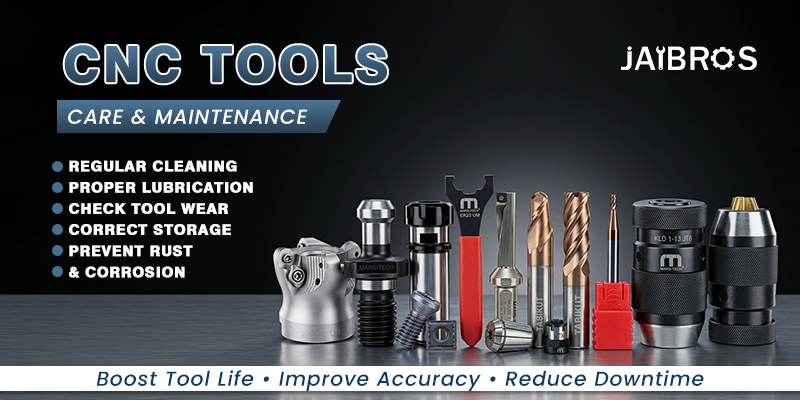
Understanding how tool coatings influence cutting speed and durability can help manufacturers make informed tooling decisions and improve overall production performance.
What Are CNC Tool Coatings?
Tool coatings are thin protective layers applied to the surface of cutting tools to improve performance and durability. These coatings are engineered to reduce friction, increase hardness, and protect the cutting edge from heat and wear.
Unlike the base tool material, coatings are specifically designed to withstand the harsh conditions generated during machining operations. Modern coating technologies have significantly improved the efficiency of cutting tools by enabling them to perform under extreme speeds and temperatures.
The primary objectives of tool coatings include:
Reducing friction during cutting
Improving wear resistance
Increasing heat tolerance
Enhancing surface finish quality
Extending tool life
These benefits contribute directly to higher productivity and lower machining costs.
Why Tool Coatings Matter in CNC Machining
Machining operations generate significant heat due to friction between the cutting tool and the workpiece. Excessive heat can weaken the cutting edge, accelerate wear, and reduce machining accuracy.
A coated cnc tool acts as a protective barrier between the cutting edge and the workpiece material. This barrier reduces direct contact and minimizes friction, helping maintain stable cutting conditions.
By reducing heat generation and wear, coatings allow manufacturers to increase cutting speeds while maintaining consistent machining quality. This improvement results in shorter cycle times and greater production efficiency.
Common Types of Tool Coatings
Several coating technologies are used in modern machining applications, each designed for specific materials and operating conditions.
Titanium Nitride (TiN)
Titanium Nitride is one of the most widely used coatings in machining. It provides improved hardness and wear resistance while reducing friction during cutting operations.
Benefits include:
Improved durability
Lower cutting resistance
Enhanced tool life
Better performance in general machining
Titanium Aluminum Nitride (TiAlN)
TiAlN coatings are designed for high-temperature machining applications. They create a protective oxide layer during cutting, which helps resist heat damage.
These coatings are commonly used for:
High-speed machining
Hardened materials
Dry machining applications
Aluminum Titanium Nitride (AlTiN)
AlTiN coatings offer excellent heat resistance and are widely used in demanding industrial environments. They are especially effective for machining difficult materials.
Diamond-Like Carbon (DLC)
DLC coatings provide extremely low friction and are often used for non-ferrous materials such as aluminium and copper.
Their smooth surface improves chip flow and reduces material adhesion during machining.
How Coatings Improve Cutting Speed
One of the most significant advantages of advanced coatings is the ability to operate at higher cutting speeds.
Without adequate protection, cutting edges experience excessive heat and wear as spindle speeds increase. Coatings help overcome these limitations by providing thermal insulation and reducing friction.
A high-performance cnc tool with the appropriate coating can maintain stability at speeds that would quickly damage an uncoated tool. This allows manufacturers to increase productivity without sacrificing quality.
Higher cutting speeds offer several benefits:
Reduced cycle times
Increased production output
Improved machining efficiency
Lower labor costs
For manufacturers focused on maximizing productivity, coating technology has become a critical factor in machining optimization.
The Relationship Between Heat and Tool Life
Heat is one of the primary causes of tool wear in machining operations. Excessive temperatures can soften cutting edges, cause oxidation, and accelerate coating degradation.
Advanced coatings help manage heat by acting as thermal barriers. They reduce the amount of heat transferred into the cutting tool and improve resistance to thermal damage.
As a result, coated tools maintain their cutting performance for longer periods, extending operational life and reducing replacement frequency.
Longer tool life translates into:
Lower tooling costs
Reduced downtime
Improved production consistency
Better return on investment
Impact on Surface Finish Quality
Surface finish is heavily influenced by tool condition and cutting stability. Worn tools often create rough surfaces, dimensional inaccuracies, and visible tool marks.
Coatings help maintain sharp cutting edges, allowing tools to cut more smoothly throughout their lifespan. Reduced friction also improves chip flow and minimizes built-up edge formation.
This combination leads to cleaner cuts and superior surface quality.
Manufacturers producing high-precision components particularly benefit from coating technologies because they help maintain consistent machining results over extended production runs.
Importance of Coatings for Carbide Tools
A carbide tool already offers excellent hardness and wear resistance, but advanced coatings further enhance its capabilities.
Combining carbide substrates with modern coatings creates tools capable of handling:
High cutting speeds
Abrasive materials
Elevated temperatures
Continuous production cycles
This combination has become the industry standard for many demanding machining applications.
Coated carbide tools are widely used in industries where productivity and reliability are critical.
Reducing Friction and Improving Chip Evacuation
Friction directly affects machining efficiency and tool performance. Excessive friction increases heat generation, promotes wear, and can cause chips to adhere to the cutting edge.
Advanced coatings create smoother tool surfaces that reduce friction and improve chip evacuation.
Better chip flow provides several advantages:
Reduced heat buildup
Improved cutting stability
Lower cutting forces
Enhanced surface finish
Efficient chip evacuation also helps prevent recutting of chips, which can damage both the tool and the workpiece.
Tool Coatings and CNC Machine Performance
The effectiveness of a cutting tool is closely related to the performance of the CNC machine being used. Even the best coating technology cannot compensate for poor machine stability or incorrect machining parameters.
However, when combined with a properly maintained machine, coated tools help maximise machining efficiency and precision.
Manufacturers often find that upgrading tooling systems can significantly improve machine productivity without requiring major equipment investments.
The Growing Demand for Advanced Tooling in India
The manufacturing sector continues to expand rapidly, increasing demand for high-performance tooling solutions. Businesses seeking a reliable CNC tool in india are increasingly choosing coated tools because of their productivity and cost-saving benefits.
As Indian manufacturers compete in global markets, advanced tooling technologies play a key role in improving production quality and operational efficiency.
Modern coated tools enable manufacturers to meet strict quality standards while maintaining competitive production costs.
Importance of the Complete CNC Machine Tool System
Tool coatings deliver the best results when integrated into a well-designed cnc machine tool system.
This system includes:
Cutting tool
Tool holder
Machine spindle
Workholding equipment
Coolant delivery system
Each component contributes to machining performance. Optimizing the complete system helps maximize the benefits of advanced coating technologies.
Manufacturers that focus on process optimization rather than individual components often achieve the greatest productivity gains.
Future Trends in Tool Coating Technology
Tool coating technology continues to evolve as manufacturers seek higher performance and longer tool life.
Future developments may include:
Nano-structured coatings
Multi-layer coating systems
Smart wear-monitoring technologies
Improved heat-resistant materials
Environmentally friendly coating processes
These innovations are expected to further improve machining productivity and reduce manufacturing costs.
Conclusion
Tool coatings have transformed modern machining by allowing higher cutting speeds, longer tool life, and improved surface quality. By reducing friction, managing heat, and protecting cutting edges from wear, coatings help manufacturers achieve greater productivity while maintaining machining accuracy.
Selecting the right coating for the application is just as important as choosing the correct cutting tool. Manufacturers that invest in advanced tooling technologies often benefit from reduced downtime, lower tooling costs, and improved production efficiency.
Jaibros is a trusted supplier of industrial cutting tools and machining solutions designed to meet the needs of modern manufacturing. With a strong focus on quality, precision, and performance, Jaibros provides reliable tooling solutions that help businesses improve productivity and achieve consistent machining excellence.
FAQs
1. What is the purpose of tool coatings in machining?
Tool coatings reduce friction, improve wear resistance, increase heat tolerance, and help extend tool life.
2. Do coated tools allow higher cutting speeds?
Yes. Advanced coatings reduce heat and wear, allowing tools to operate efficiently at higher cutting speeds.
3. Which coating is best for high-speed machining?
Titanium Aluminum Nitride (TiAlN) and Aluminum Titanium Nitride (AlTiN) are commonly used for high-speed and high-temperature applications.
4. How do coatings improve tool life?
Coatings protect cutting edges from heat, friction, and abrasion, reducing wear and extending operational life.
5. Are coated carbide tools better than uncoated tools?
In most machining applications, coated carbide tools provide better durability, higher cutting speeds, and improved overall performance.
Comments
Log in or sign up to join the conversation.