
A broken water pipe can quickly become a serious property problem if it is not addressed promptly. Leaking or burst pipes may release large amounts of water into walls, ceilings, floors, crawl spaces, and other areas of a property. Beyond visible water, moisture can remain hidden behind building materials and create additional concerns such as structural deterioration, unpleasant odors, and mold growth.
When a pipe breaks, Professional Repairing Broken Water Pipes Services can help property owners respond quickly and reduce the impact of water intrusion. Legacy Water Restoration provides water damage restoration solutions designed to address the effects of plumbing leaks, burst pipes, and other unexpected water emergencies. Understanding what happens after a pipe breaks can help homeowners and property managers make informed decisions.
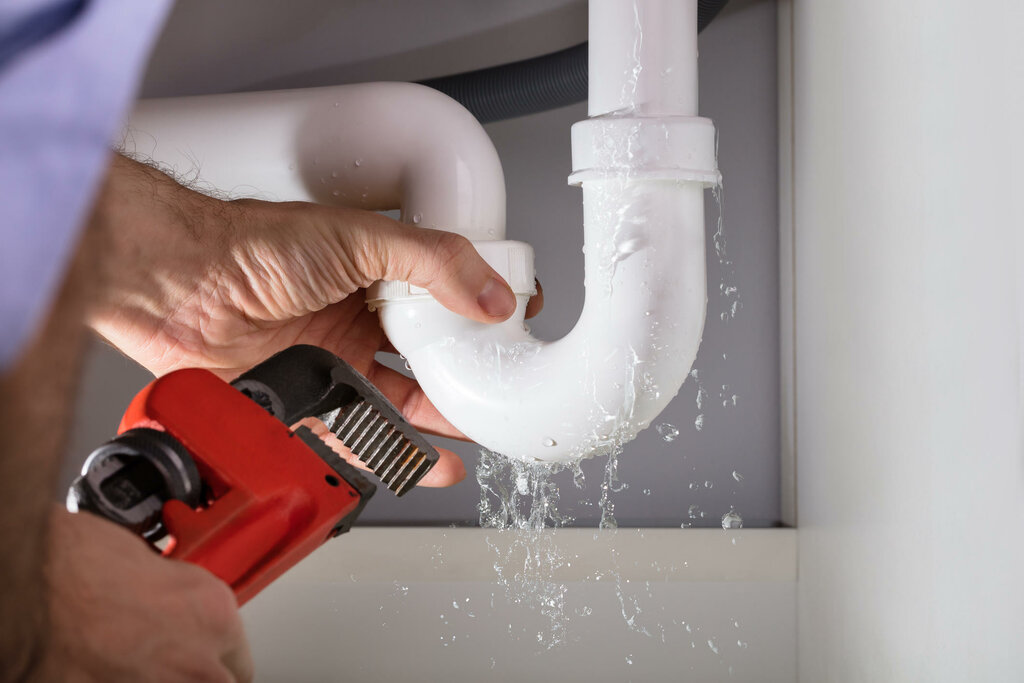
What Causes Water Pipes to Break?
Water pipes can fail for several reasons. Some problems develop gradually, while others happen suddenly and cause extensive water leakage.
Common causes of broken water pipes include:
· Freezing temperatures
· Corrosion and aging pipes
· High water pressure
· Poor installation
· Loose or damaged connections
· Tree-root intrusion
· Physical damage
· Shifting soil around underground plumbing
· Wear and tear over time
Older plumbing systems may be particularly vulnerable to leaks and breaks. Even a small crack can eventually develop into a larger failure if the underlying problem is not addressed.
Why Is a Broken Water Pipe an Emergency?
A broken pipe can release water continuously until the water supply is shut off or the damaged section is repaired. The longer water remains inside a property, the more opportunity it has to spread into surrounding materials.
Water can move through:
· Drywall
· Flooring
· Carpeting
· Insulation
· Cabinets
· Ceilings
· Wooden framing
· Electrical areas
· Crawl spaces
This is why fast action is important. Professional Repairing Broken Water Pipes Services in Cedar Park, TX can address the plumbing issue, while professional water damage restoration can focus on the water that has already entered the property.
What Should You Do When a Water Pipe Breaks?
Property owners should take immediate steps to limit further water damage.
1. Shut Off the Main Water Supply
If it is safe to do so, turn off the property's main water supply. This can help stop or reduce continued water flow.
2. Move Valuable Items
Move furniture, electronics, documents, and other valuables away from affected areas when possible and safe.
3. Avoid Electrical Hazards
Do not enter areas where standing water may have reached electrical outlets, appliances, wiring, or electrical equipment. Safety should always come first.
4. Contact the Appropriate Professionals
A plumbing professional may be needed to repair the broken pipe itself. If water has affected the property, a water damage restoration company can assess the damage and begin cleanup and drying.
5. Document the Damage
Take photographs or videos of visible damage when it is safe to do so. Documentation can be useful when communicating with your insurance provider.
How Do Professional Broken Water Pipe Services Help?
Professional services can provide a structured response to a water emergency. Depending on the situation, the process may include water removal, drying, moisture monitoring, cleaning, and restoration.
At Legacy Water Restoration, the focus is on addressing water damage and helping affected areas return to a dry and usable condition.
Water Damage Inspection
The first step is understanding where water has traveled. Visible damage may represent only part of the affected area.
Professionals can inspect areas such as:
· Floors
· Walls
· Ceilings
· Cabinets
· Baseboards
· Crawl spaces
· Attics
· Other concealed areas
Moisture detection equipment can help identify areas that may not appear visibly wet.
Emergency Water Extraction
Standing water should be removed as quickly as practical. Professional extraction equipment can help remove water from affected flooring and other areas.
Rapid extraction can reduce the amount of time materials remain exposed to moisture.
Structural Drying
Removing visible water is only part of the restoration process. Materials can retain moisture after standing water has been extracted.
Air movers and dehumidification equipment may be used to improve drying conditions. Professionals can also monitor moisture levels to help determine whether affected materials are becoming adequately dry.
Cleaning and Sanitizing
Depending on the source and extent of the water, affected areas may require cleaning and sanitation. This can help address dirt, contaminants, and unpleasant odors associated with water intrusion.
Restoration
The final stage depends on the extent of damage. Some properties may require minor repairs, while more extensive water damage may involve replacing damaged drywall, flooring, insulation, or other building materials.
Why Is Fast Water Removal Important After a Pipe Break?
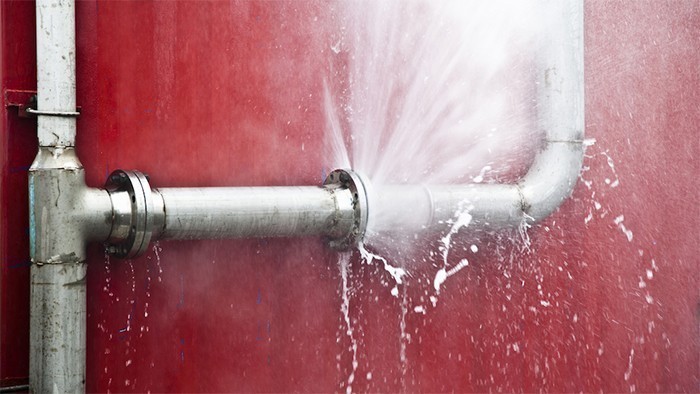
Water damage can become more complicated as time passes. Moisture can migrate into porous materials and concealed spaces, making drying more difficult.
Prompt water extraction services can help reduce prolonged exposure to moisture. Early restoration also gives professionals an opportunity to identify affected areas before damage becomes more extensive.
Property owners should not assume that a small visible leak means the overall damage is minor. Water can travel behind walls or beneath flooring without being immediately noticeable.
Can Broken Pipes Cause Mold Problems?
Moisture is an important factor in mold growth. When building materials remain damp, conditions may become favorable for mold.
A broken pipe does not automatically mean mold will develop, but delayed drying can increase the risk. This is one reason professional drying and moisture monitoring can be valuable following significant water intrusion.
If mold is already present, specialized mold remediation services may be necessary. Restoration professionals can help identify areas of concern and determine appropriate next steps.
What Are the Signs of Hidden Water Damage?
Not all water damage is immediately visible. Property owners should watch for signs such as:
· Musty odors
· Discolored walls or ceilings
· Bubbling paint
· Warped flooring
· Swollen baseboards
· Damp carpeting
· Peeling wallpaper
· Unusual humidity
· Soft drywall
· Staining around plumbing fixtures
These signs may indicate that water has moved into areas that are not easily visible.
Why Should Property Owners Consider Professional Restoration?
DIY cleanup may be suitable for very small, controllable spills in some circumstances. However, a burst or broken pipe can introduce much more water than a typical household spill.
Professional restoration services can provide specialized equipment and systematic drying procedures. They can also help identify moisture that remains after the visible water has been removed.
For larger incidents, professional assistance may help property owners avoid overlooking affected areas.
How Do Broken Pipes Affect Different Areas of a Property?
The effects of a broken pipe can vary depending on where the plumbing failure occurs.
Kitchen
A broken supply line beneath a sink, dishwasher, or refrigerator can affect cabinets, flooring, and nearby walls.
Bathroom
Leaks around toilets, sinks, showers, and supply lines can damage flooring, drywall, cabinets, and subflooring.
Basement or Crawl Space
Water entering lower levels can affect insulation, framing, flooring, stored belongings, and mechanical equipment.
Ceiling
A broken pipe above a ceiling can cause staining, sagging drywall, and water accumulation. Electrical safety should be considered before entering an affected area.
Laundry Room
Washing machine supply hoses and plumbing connections can fail unexpectedly and release substantial amounts of water.
What Is the Difference Between Pipe Repair and Water Damage Restoration?
These services address different parts of the problem.
Pipe repair focuses on the plumbing failure. The damaged pipe, connection, or related plumbing component must be repaired or replaced by an appropriately qualified professional.
Water damage restoration focuses on the property's condition after water enters the structure. This can include water extraction, structural drying, moisture monitoring, cleaning, and restoration of affected areas.
In many situations, both plumbing repair and restoration are necessary.
How Can Property Owners Prevent Future Pipe Problems?
While not every pipe failure can be prevented, regular maintenance can help identify potential problems before they become emergencies.
Property owners can:
· Inspect visible plumbing regularly
· Look for corrosion or mineral buildup
· Monitor unusual changes in water pressure
· Check under sinks for moisture
· Inspect washing machine hoses
· Address small leaks promptly
· Protect exposed pipes in cold weather
· Schedule plumbing inspections for older systems
· Know where the main water shutoff is located
Early attention to small plumbing problems may help prevent more significant water emergencies.
Why Choose Legacy Water Restoration?
When a broken water pipe causes water intrusion, property owners need a clear restoration plan. Legacy Water Restoration helps property owners respond to water-related emergencies with restoration services focused on water removal, drying, cleaning, and damage recovery.
The appropriate restoration process depends on the source of the water, affected materials, the amount of water present, and how long the property has remained wet.
Legacy Water Restoration can help property owners understand the condition of affected areas and determine the next steps for restoring the property.
What Should You Look for in Water Damage Restoration Services?
When selecting a restoration company, property owners may want to consider:
· Emergency response capabilities
· Experience with water damage
· Proper water extraction equipment
· Moisture detection and monitoring
· Structural drying procedures
· Cleaning and sanitation services
· Clear communication
· Documentation of restoration work
· Experience handling different types of properties
Choosing a service provider based on the specific needs of the property can make the restoration process more organized.
Final Thoughts
A broken water pipe can create significant water damage in a short amount of time. From soaked flooring and damaged drywall to hidden moisture behind walls, the effects can extend beyond the original plumbing failure.
Professional Repairing Broken Water Pipes Services can help property owners respond to the immediate problem, while water damage restoration addresses the effects of water intrusion throughout the property. Acting quickly, shutting off the water when safe, documenting visible damage, and arranging appropriate professional assistance can help reduce further complications.
Legacy Water Restoration provides water damage restoration solutions for property owners dealing with unexpected water-related problems. If a broken pipe has left your property wet or damaged, a timely assessment can help identify affected areas and establish an appropriate restoration plan.
Frequently Asked Questions
1. What should I do first when a water pipe breaks?
If it is safe, shut off the main water supply and keep people away from electrical hazards. Then contact the appropriate plumbing and water damage restoration professionals.
2. Can a small broken pipe cause major water damage?
Yes. Even a relatively small pipe failure can release water continuously and affect flooring, walls, ceilings, insulation, and other materials.
3. Does pipe repair remove water damage?
Not necessarily. Repairing the pipe stops the source, but water already inside the property may still need extraction, drying, cleaning, and restoration.
4. How long does water damage restoration take?
The timeline varies depending on the amount of water, affected materials, moisture levels, and extent of damage. Some incidents can be addressed relatively quickly, while extensive damage may require longer restoration.
5. Can water damage lead to mold?
Persistent moisture can create conditions favorable to mold growth. Prompt extraction and thorough drying can help reduce moisture-related risks.
6. Should I clean up a burst pipe myself?
For a significant water event, professional assessment may be appropriate. Standing water and wet building materials can involve safety concerns that are difficult to identify without proper equipment.
7. What equipment is used for water extraction?
Professional restoration companies may use water extraction equipment, air movers, dehumidifiers, moisture meters, and other tools depending on the situation.
8. Does Legacy Water Restoration handle water damage from broken pipes?
Legacy Water Restoration provides water damage restoration services for properties affected by water intrusion, including situations involving plumbing leaks and broken pipes.
Comments
Log in or sign up to join the conversation.