
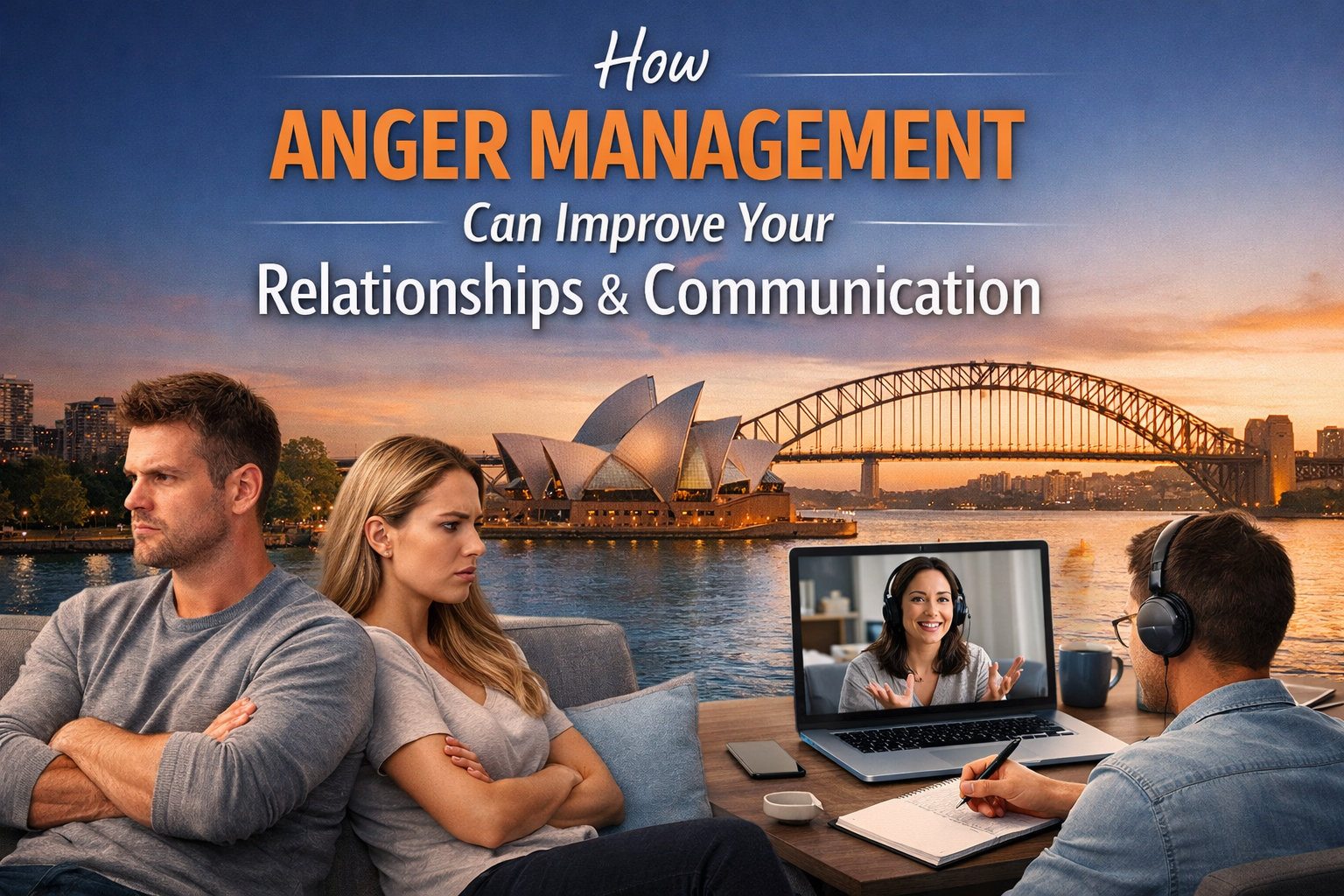
Anger is a natural human emotion. Everyone experiences frustration, irritation, or anger at some point in life. However, when anger becomes difficult to control, it can negatively affect relationships, communication, and overall well-being. This is where Anger Management plays a crucial role. Learning how to recognise, control, and express anger in healthier ways can dramatically improve how people interact with partners, family members, friends, and colleagues. In Australia, awareness around emotional wellbeing is growing, and more people are turning to professional support services such as ExpertMinds to learn practical strategies for managing anger and improving communication.
In this article, we’ll explore how anger affects relationships, why managing it matters, and how Anger Management techniques can strengthen communication and build healthier connections.
Understanding Anger and Its Impact on Relationships
Anger itself isn’t necessarily harmful. In fact, it can sometimes highlight important issues that need attention. The problem arises when anger is expressed in unhealthy ways, such as shouting, blaming, aggression, or emotional withdrawal.
Uncontrolled anger can cause several relationship challenges, including:
Frequent arguments and misunderstandings
Emotional distance between partners or family members
Loss of trust and respect
Workplace conflicts
Difficulty expressing feelings calmly
When anger regularly disrupts communication, it often leads to long-term damage in relationships. Many Australians seek professional guidance to learn healthier emotional responses and avoid these patterns.
Effective Anger Management helps individuals recognise triggers, respond thoughtfully, and maintain respectful communication even during disagreements.
Why Anger Happens
Before learning how to control anger, it’s important to understand why it happens. Anger can be triggered by various emotional, psychological, or situational factors.
Common triggers include:
Stress and Pressure
Work deadlines, financial stress, or family responsibilities can create emotional overload. When stress builds up, people may become more reactive to small frustrations.
Miscommunication
Misunderstandings or feeling unheard can quickly escalate emotions, especially in close relationships.
Past Experiences
Some individuals develop strong anger responses due to past trauma, unresolved emotional issues, or learned behaviours from childhood environments.
Feeling Disrespected or Unappreciated
When someone feels ignored, criticised, or undervalued, anger may arise as a defensive reaction.
Recognising these triggers is the first step in Anger Management, allowing individuals to pause and respond more constructively rather than reacting impulsively.
The Connection Between Anger and Communication
Communication plays a central role in any healthy relationship. However, when anger dominates conversations, communication often breaks down.
Anger can lead to:
Interrupting others
Raising voices or shouting
Using hurtful language
Avoiding conversations altogether
Misinterpreting others’ intentions
Over time, these patterns make meaningful communication nearly impossible. Healthy Anger Management strategies focus on improving emotional awareness so individuals can communicate calmly and clearly, even during disagreements.
How Anger Management Improves Relationships
Learning effective Anger Management techniques can significantly strengthen relationships by improving emotional regulation and communication skills.
1. Encourages Calm and Respectful Conversations
When individuals learn to pause before reacting, discussions become more productive. Instead of reacting impulsively, people can express concerns without attacking or blaming others.
For example, replacing accusations like “You never listen to me” with calmer statements such as “I feel frustrated when I’m not heard” can dramatically change the tone of a conversation.
This shift reduces defensiveness and encourages open dialogue.
2. Builds Emotional Awareness
Many people struggle with anger because they aren’t fully aware of their emotions. Anger is often a secondary emotion hiding deeper feelings such as disappointment, sadness, or fear.
Through Anger Management, individuals learn to identify these underlying emotions and communicate them more honestly.
For instance, someone may realise they’re not truly angry but rather feeling overwhelmed or unsupported. Expressing those emotions helps strengthen relationships instead of creating conflict.
3. Reduces Relationship Conflict
Frequent arguments can damage trust and create long-term resentment. Learning to manage anger allows people to approach disagreements with problem-solving rather than confrontation.
Healthy Anger Management teaches individuals to:
Pause before reacting
Listen actively
Stay focused on solutions
Respect differing perspectives
This approach reduces unnecessary conflict and helps maintain positive relationships.
4. Improves Listening Skills
Effective communication isn’t just about speaking—it’s also about listening.
When anger takes control, people often stop listening and focus only on defending their own perspective. Anger management training encourages individuals to practise active listening, which involves:
Paying attention without interrupting
Acknowledging the other person’s feelings
Asking clarifying questions
This approach helps people feel valued and understood, strengthening emotional connections.
5. Strengthens Trust and Emotional Safety
Relationships thrive when people feel safe expressing their thoughts and emotions. However, when anger leads to yelling or criticism, others may become hesitant to speak openly.
Practising Anger Management creates a safer emotional environment where people feel comfortable sharing concerns, opinions, and feelings.
This emotional safety builds trust and encourages honest communication.
Practical Anger Management Techniques
Improving anger control requires practice and commitment. Fortunately, several practical techniques can help individuals manage their emotional responses.
Pause Before Reacting
One of the simplest yet most effective strategies is learning to pause before responding. Taking a few deep breaths allows the brain to shift from emotional reaction to rational thinking.
Even a brief pause can prevent words or actions that may later be regretted.
Identify Personal Triggers
Recognising situations that trigger anger is an important part of Anger Management. Keeping a journal or reflecting on past arguments can help identify patterns.
Common triggers might include:
Feeling criticised
Being interrupted
Stressful environments
Lack of sleep
Understanding triggers allows individuals to prepare healthier responses.
Practise Relaxation Techniques
Relaxation exercises help calm the nervous system and reduce emotional intensity. Effective techniques include:
Deep breathing exercises
Meditation or mindfulness
Physical exercise
Taking short breaks during stressful situations
Many Australians find mindfulness particularly helpful in managing emotional reactions.
Improve Communication Skills
Clear communication can prevent many anger-related conflicts. Healthy communication techniques include:
Using “I” statements instead of blame
Staying focused on the issue rather than personal attacks
Listening actively without interrupting
Asking questions to clarify misunderstandings
These skills play a major role in effective Anger Management.
Seek Professional Support
Sometimes anger patterns are deeply rooted and require professional guidance. Counsellors and psychologists can provide structured techniques and therapy to help individuals understand and manage their emotions more effectively.
Professional support may include:
Cognitive behavioural therapy (CBT)
Emotional regulation strategies
Conflict resolution training
Stress management techniques
Access to online mental health services in Australia has made it easier than ever for individuals to seek support from qualified professionals.
The Role of Anger Management in Family Relationships
Family relationships are often the most affected by uncontrolled anger. Parents, partners, and siblings interact daily, making emotional responses more visible and impactful.
When family members practise healthy Anger Management, it can lead to:
Better parenting communication
Reduced household conflict
Improved emotional support within families
Stronger relationships between partners
Children also learn emotional regulation by observing adults. When parents manage anger constructively, they set positive examples for future generations.
Anger Management in the Workplace
Anger can also affect professional relationships. Workplace conflicts often arise from stress, miscommunication, or differing expectations.
Practising Anger Management in professional environments can:
Improve teamwork and collaboration
Reduce workplace tension
Encourage respectful communication
Strengthen leadership skills
Employers across Australia increasingly recognise the value of emotional intelligence and conflict resolution skills in maintaining productive work environments.
Signs You May Benefit From Anger Management Support
While occasional frustration is normal, persistent anger may signal the need for support.
Some common signs include:
Frequent arguments with loved ones
Difficulty controlling temper
Feeling angry most days
Regretting things said during arguments
Experiencing relationship or workplace problems due to anger
If these patterns sound familiar, professional Anger Management guidance can help develop healthier emotional responses.
Building Healthier Relationships Through Emotional Control
Healthy relationships rely on trust, understanding, and respectful communication. Learning to manage anger effectively allows individuals to express their feelings without harming others or damaging relationships.
With consistent practice, Anger Management can transform how people handle conflict, communicate emotions, and respond to stress. Instead of reacting impulsively, individuals learn to approach challenges with patience and clarity.
Support services like ExpertMinds provide accessible options for Australians seeking professional guidance in emotional wellbeing and relationship improvement.
Final Thoughts
Anger is a normal emotion, but unmanaged anger can strain relationships and disrupt communication. Learning effective Anger Management strategies helps individuals recognise triggers, regulate emotions, and communicate more constructively.
By developing emotional awareness, improving listening skills, and practising healthier responses to conflict, people can build stronger, more supportive relationships both at home and in the workplace.
With growing access to professional support across Australia, individuals now have more opportunities than ever to develop these essential life skills and create more positive, balanced relationships.
Comments
Log in or sign up to join the conversation.