

Vision is one of our most valuable senses, yet many eye diseases develop silently without noticeable symptoms. Glaucoma is among the leading causes of irreversible vision loss worldwide, often progressing slowly until significant damage has already occurred. In 2026, artificial intelligence (AI) is reshaping how ophthalmologists detect, monitor, and manage glaucoma by introducing highly accurate optic nerve monitoring technologies.
Modern AI-powered diagnostic systems help eye specialists identify subtle changes in the optic nerve long before patients experience noticeable vision loss. These innovations are transforming Glaucoma Treatment in Kopar Khairane by supporting earlier diagnosis, personalized care, and improved long-term outcomes. At the same time, advancements in comprehensive eye care in Kopar Khairane, Navi Mumbai continue to strengthen specialized services such as Corneal Transplant Treatment in Kopar Khairane, reflecting the rapid evolution of ophthalmic healthcare.
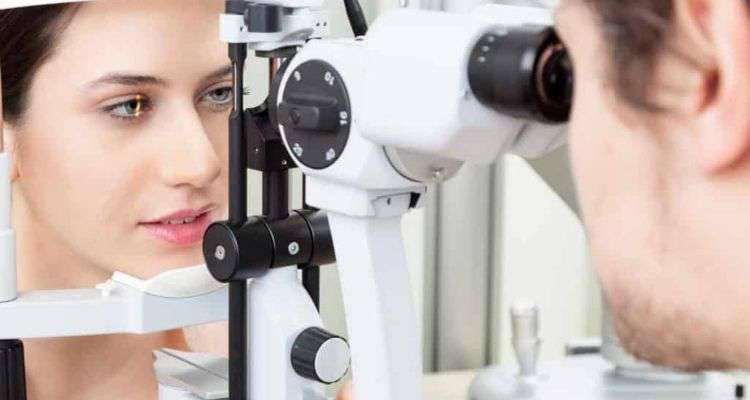
Understanding Glaucoma
Glaucoma is a group of eye diseases that gradually damage the optic nerve, which carries visual information from the eyes to the brain. Damage to this nerve can result in permanent vision loss if not detected and treated at an early stage.
Many people are unaware they have glaucoma because the disease usually develops without pain or obvious symptoms. Peripheral vision is often affected first, making regular eye examinations essential for early detection.
With growing awareness and technological innovation, Glaucoma Treatment in Kopar Khairane is becoming increasingly focused on preventive diagnosis and continuous monitoring.
Why the Optic Nerve Is So Important
The optic nerve functions as the communication pathway between the eye and the brain. Even minor structural changes may indicate the beginning of glaucoma.
Traditional eye examinations evaluate optic nerve health through clinical observation and imaging. However, microscopic changes are sometimes difficult to detect during the earliest stages.
Artificial intelligence enhances this process by analyzing detailed optic nerve images with remarkable precision, helping ophthalmologists recognize abnormalities before permanent vision loss occurs.
The Rise of AI in Modern Ophthalmology
Artificial intelligence has become one of the most valuable tools in modern eye care.
Machine learning algorithms analyze thousands of clinical images to recognize patterns associated with glaucoma. These systems continuously improve as they process additional clinical data, increasing diagnostic accuracy over time.
Rather than replacing specialists, AI supports ophthalmologists by providing detailed image analysis and evidence-based insights that assist in clinical decision-making.
This technological progress is significantly improving eye care in Kopar Khairane, Navi Mumbai.
How AI-Powered Optic Nerve Monitoring Works
Advanced imaging technologies capture high-resolution photographs and optical scans of the optic nerve.
Artificial intelligence evaluates multiple factors simultaneously, including:
Optic nerve structure
Retinal nerve fiber layer thickness
Cup-to-disc ratio
Blood vessel patterns
Retinal tissue integrity
Progressive structural changes
The AI system compares current findings with extensive clinical databases and previous patient records, allowing ophthalmologists to identify early signs of glaucoma with greater confidence.
This technology has become a valuable component of Glaucoma Treatment in Kopar Khairane.
Detecting Glaucoma Earlier Than Ever
Early detection remains the greatest advantage of AI-powered optic nerve monitoring.
Conventional examinations may identify glaucoma only after noticeable structural damage has occurred. AI systems can detect minute changes that may otherwise remain unnoticed during routine assessments.
Earlier diagnosis allows ophthalmologists to initiate appropriate management before irreversible optic nerve damage develops.
Preventive care is becoming a cornerstone of modern glaucoma management.
Personalized Glaucoma Care
Every patient's glaucoma progresses differently.
Artificial intelligence helps specialists develop individualized treatment strategies based on multiple factors, including:
Age
Eye pressure history
Optic nerve condition
Visual field results
Family history
Lifestyle considerations
Previous treatment response
Personalized care improves long-term disease management while reducing unnecessary interventions.
Continuous Monitoring Through Digital Imaging
Glaucoma requires lifelong observation.
AI-powered monitoring systems compare optic nerve images from multiple visits, allowing specialists to evaluate even the smallest structural changes over time.
This ongoing assessment enables ophthalmologists to determine whether glaucoma is stable or progressing.
Patients receiving Glaucoma Treatment in Kopar Khairane benefit from more precise follow-up evaluations and timely clinical decisions.
Improving Diagnostic Accuracy
One of the greatest strengths of artificial intelligence is its ability to analyze vast amounts of information quickly.
AI algorithms detect image patterns beyond normal human observation, providing additional clinical confidence during diagnosis.
When combined with ophthalmologist expertise, AI significantly improves diagnostic accuracy while reducing the possibility of overlooked abnormalities.
This collaboration between technology and medical expertise is enhancing patient care across eye care in Kopar Khairane, Navi Mumbai.
Supporting Better Patient Education
Patients often find glaucoma difficult to understand because symptoms usually appear late.
AI-generated visual reports allow ophthalmologists to explain optic nerve changes using detailed digital images and progress comparisons.
Patients can better understand:
Disease progression
Importance of follow-up visits
Treatment goals
Eye pressure management
Long-term monitoring requirements
Improved education encourages stronger patient participation in preserving vision.
Integration with Advanced Diagnostic Equipment
Modern glaucoma care combines AI with several advanced diagnostic technologies.
These include:
Optical coherence tomography (OCT)
Digital retinal imaging
Visual field analysis
Corneal thickness measurement
Intraocular pressure assessment
AI integrates information from multiple diagnostic tools to create a comprehensive understanding of each patient's eye health.
This integrated approach improves the quality of Glaucoma Treatment in Kopar Khairane.
AI and Preventive Eye Care
Preventive healthcare is becoming increasingly important in ophthalmology.
Routine eye examinations supported by artificial intelligence help identify glaucoma risk before symptoms develop.
High-risk individuals include:
Older adults
People with diabetes
Individuals with a family history of glaucoma
Patients with elevated eye pressure
Individuals with certain systemic health conditions
Early identification allows ophthalmologists to recommend appropriate monitoring schedules.
Preventive strategies continue strengthening eye care in Kopar Khairane, Navi Mumbai.
Digital Health Records Improve Long-Term Care
Artificial intelligence works effectively alongside electronic medical records.
Digital records allow ophthalmologists to review historical eye scans, compare previous examinations, and identify gradual changes in optic nerve health.
Long-term data analysis supports better treatment planning and continuity of care.
Patients benefit from consistent monitoring throughout every stage of glaucoma management.
Relationship Between Glaucoma and Corneal Health
Although glaucoma primarily affects the optic nerve, corneal health also plays an important role during diagnosis and treatment planning.
Corneal thickness influences intraocular pressure measurements, making accurate corneal evaluation essential for glaucoma assessment.
Advanced diagnostic technologies used for glaucoma also contribute to specialized services such as Corneal Transplant Treatment in Kopar Khairane, where detailed corneal imaging supports surgical planning and postoperative monitoring.
The integration of advanced imaging across multiple ophthalmic specialties demonstrates how modern technology benefits comprehensive eye care.
AI Supports Remote Monitoring
Teleophthalmology continues expanding in 2026.
AI-powered diagnostic systems allow ophthalmologists to review digital eye scans remotely, supporting patients who require regular glaucoma monitoring.
Remote follow-up enhances accessibility while maintaining clinical quality.
Digital healthcare is helping deliver more convenient eye care in Kopar Khairane, Navi Mumbai.
Future Innovations in Glaucoma Management
Artificial intelligence continues evolving rapidly.
Future developments may include:
Wearable glaucoma monitoring devices
Home-based optic nerve assessment
Continuous eye pressure monitoring
Predictive disease progression models
Personalized treatment recommendations
Automated follow-up reminders
These innovations will further strengthen glaucoma management by improving preventive care and supporting earlier intervention.
Benefits for Patients
AI-powered optic nerve monitoring offers numerous advantages:
Earlier disease detection
Greater diagnostic accuracy
Personalized treatment planning
Improved long-term monitoring
Better patient education
Enhanced clinical decision-making
More efficient follow-up care
These benefits contribute to preserving vision and improving overall patient experience.
The Growing Importance of Preventive Eye Care
As technology advances, preventive eye care is becoming increasingly proactive.
Routine comprehensive eye examinations supported by artificial intelligence allow ophthalmologists to detect glaucoma before noticeable vision changes occur.
Early diagnosis remains the most effective strategy for protecting long-term eyesight.
Modern eye care in Kopar Khairane, Navi Mumbai continues embracing these innovations to provide higher standards of patient care.
Conclusion
Artificial intelligence is transforming glaucoma care by enabling earlier detection, more accurate diagnosis, and continuous optic nerve monitoring. AI-powered imaging technologies help ophthalmologists recognize subtle structural changes before permanent vision loss develops, allowing timely intervention and personalized management.
As a result, Glaucoma Treatment in Kopar Khairane is becoming more precise, efficient, and patient-centered. Combined with advanced diagnostic systems, digital health records, and preventive screening strategies, AI is redefining how glaucoma is managed throughout every stage of the disease.
At the same time, innovations across ophthalmology continue enhancing eye care in Kopar Khairane, Navi Mumbai, while supporting specialized services such as Corneal Transplant Treatment in Kopar Khairane through improved imaging, accurate diagnostics, and comprehensive clinical planning. As AI technology continues to evolve, patients can look forward to safer, smarter, and more personalized eye care that protects vision for years to come.
Schedule your consultation today and take the first step toward healthier vision.
Call: 088508 88724
Comments
Log in or sign up to join the conversation.