
The healthcare and wellness industry is undergoing a major transformation with the adoption of artificial intelligence. Hospitals, clinics, and digital health platforms are now leveraging AI technologies to improve patient outcomes, automate administrative processes, and enhance overall healthcare delivery. With increasing patient expectations and rising operational demands, intelligent systems are becoming essential for modern healthcare organizations.
Today, AI is not just a technology trend it is a critical driver for innovation in healthcare and wellness services.
The Growing Role of AI in Healthcare and Wellness
Artificial intelligence enables healthcare providers to process large volumes of medical data quickly and accurately. From predictive diagnosis to patient engagement tools, AI-powered solutions are helping healthcare professionals make better decisions and deliver personalized care.
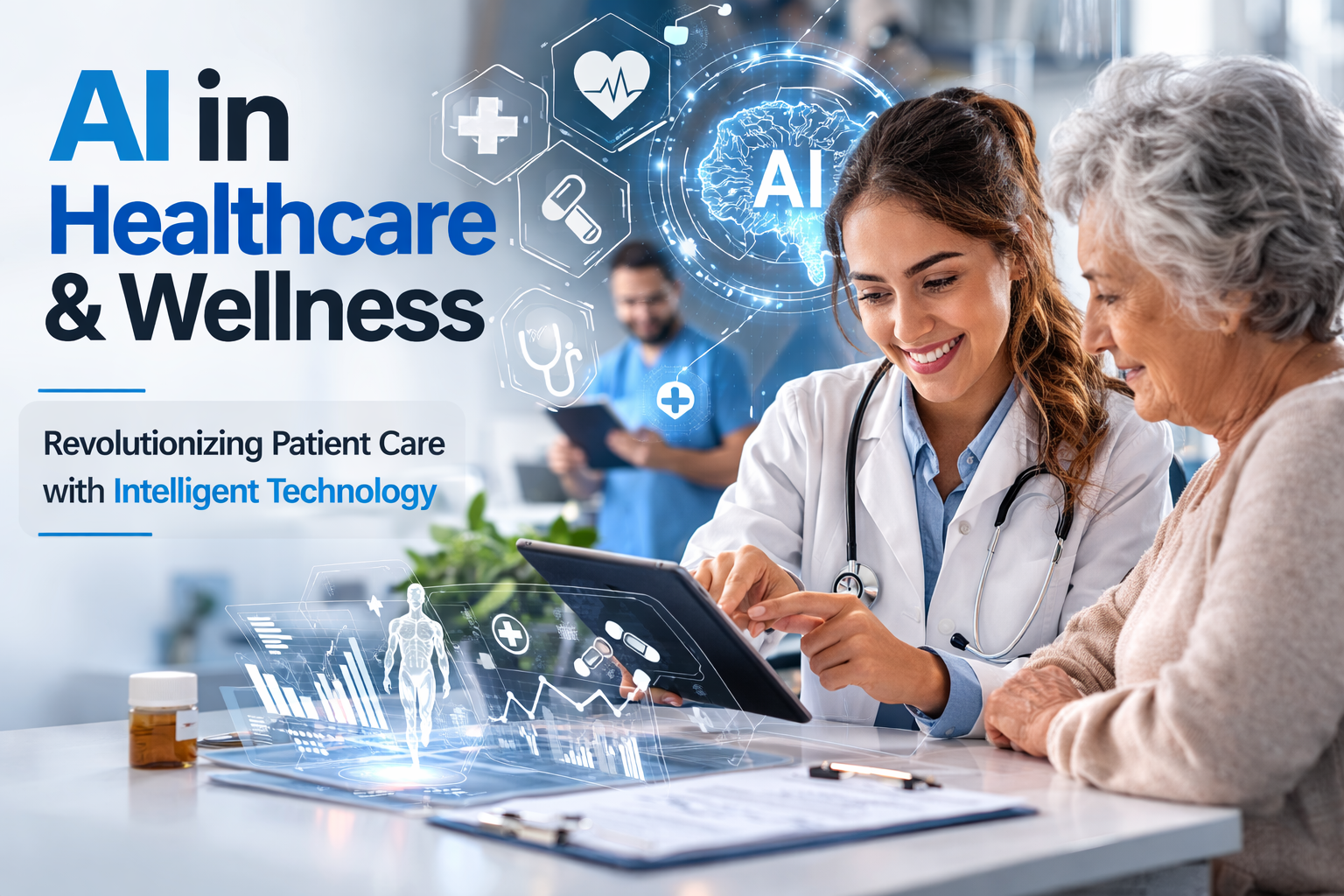
Modern AI systems can analyze patient records, medical images, and health trends to identify patterns that may not be easily detectable through traditional methods. This leads to earlier detection of diseases, better treatment planning, and improved clinical outcomes.
Organizations looking to adopt intelligent systems are increasingly turning to specialized AI providers such as Levels AI, which focuses on building practical enterprise AI solutions tailored to industry-specific needs.
Predictive Diagnosis and Intelligent Medical Insights
One of the most impactful applications of artificial intelligence in healthcare is predictive diagnosis. By analyzing historical patient data and medical indicators, AI models can predict potential health risks before symptoms become severe.
Predictive healthcare analytics enables doctors to:
Detect diseases at earlier stages
Identify high-risk patients
Recommend personalized treatment plans
Reduce hospital readmission rates
These capabilities are transforming preventive healthcare and allowing medical institutions to move from reactive care to proactive care.
AI Chat Assistants for Patient Engagement
Healthcare providers often struggle with patient communication and support requests. AI-powered chat assistants are solving this challenge by providing instant responses to common patient queries.
These intelligent assistants can help with:
Appointment scheduling
Medical information guidance
Patient onboarding
Post-treatment follow-ups
AI chatbots significantly reduce the workload on hospital staff while improving patient satisfaction and accessibility.
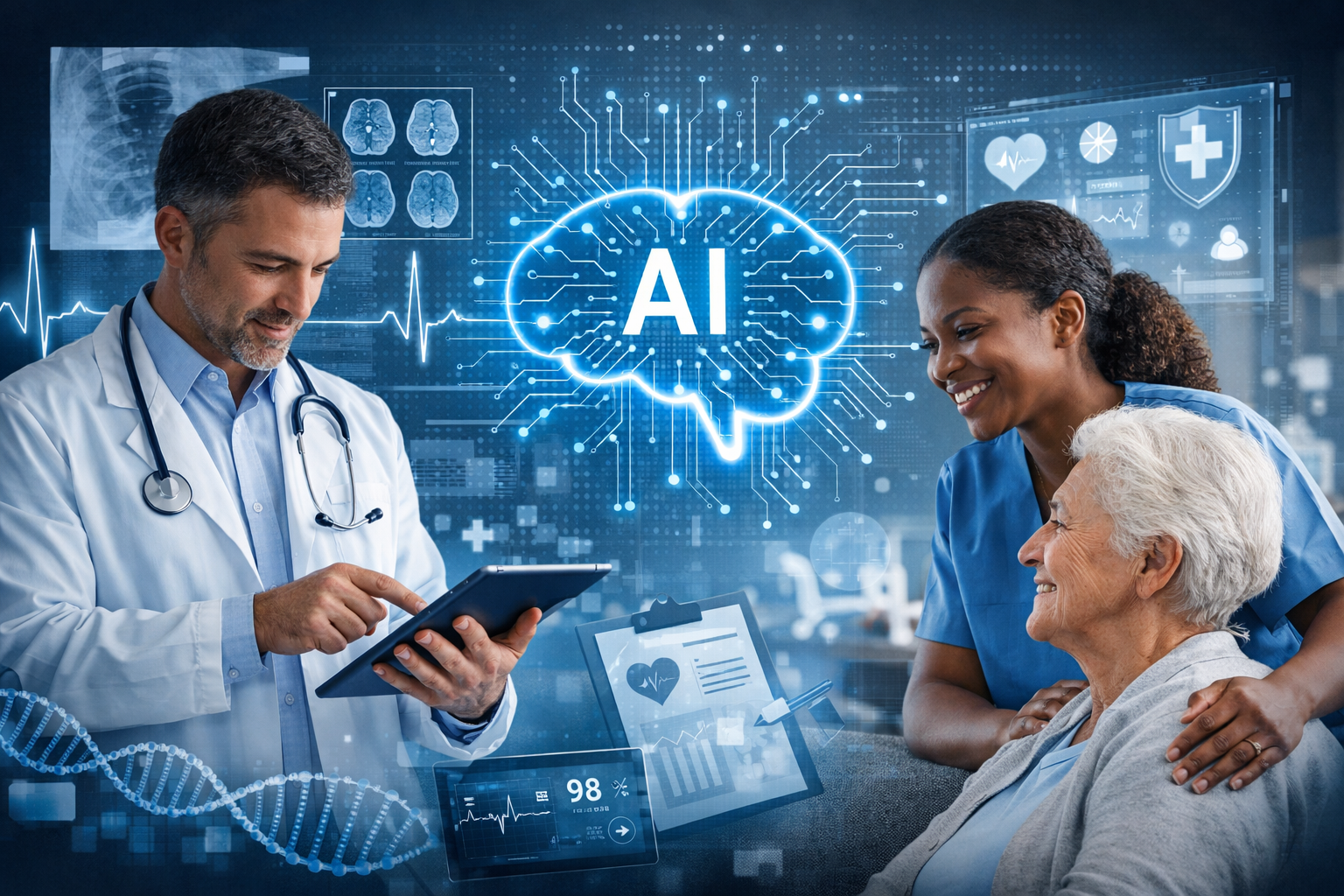
Automation of Healthcare Operations
Administrative tasks consume a significant amount of time in healthcare organizations. Artificial intelligence can automate many of these processes, including medical documentation, insurance processing, and appointment management.
Automation allows healthcare teams to focus more on patient care rather than paperwork. AI-driven systems can also ensure higher accuracy in documentation and compliance management.
AI-Powered Wellness and Preventive Care
The wellness sector is also benefiting from AI technologies. Personalized wellness platforms can analyze lifestyle habits, health metrics, and behavioral data to recommend customized fitness plans, diet suggestions, and wellness routines.
AI-driven wellness platforms help individuals maintain healthier lifestyles while enabling healthcare providers to offer preventive care services.
The Future of Healthcare with Artificial Intelligence
As healthcare data continues to grow, AI will become even more important in improving healthcare efficiency and patient care quality. Advanced machine learning models, natural language processing, and computer vision are already shaping the next generation of healthcare solutions.
Companies specializing in AI for Healthcare and Wellness are helping organizations integrate intelligent technologies that support clinical decision-making, enhance patient engagement, and streamline operations.
Conclusion
Artificial intelligence is redefining the future of the healthcare and wellness industry. From predictive diagnosis and patient engagement tools to operational automation and personalized wellness platforms, AI is helping healthcare organizations provide faster, smarter, and more effective services.
As the demand for digital healthcare continues to grow, adopting AI-driven solutions will be essential for healthcare providers looking to stay competitive and deliver better patient outcomes.
Comments
Log in or sign up to join the conversation.