

India's natural heritage encompasses one of the most extraordinary concentrations of biodiversity on the planet, spanning the dense tiger habitats of central India's sal and teak forests, the elephant corridors of the Western Ghats and northeastern hills, the one-horned rhinoceros populations of Assam's floodplain grasslands, the snow leopard territories of the high Himalayan ranges, and the marine biodiversity of the island ecosystems that extend from the Andaman and Nicobar archipelago to the Lakshadweep atolls. This biodiversity heritage is under sustained and escalating pressure from the convergence of habitat loss, illegal wildlife trade, organised poaching, encroachment, and the accelerating impacts of climate change that are altering the distributional ranges, phenological cycles, and ecological relationships of species whose survival depends on the stability of the environmental conditions within which their evolutionary adaptations were shaped. Protecting this heritage requires wildlife surveillance and forest intelligence of a quality and continuity that has historically been beyond the practical reach of the conservation agencies, forest protection authorities, and wildlife management organisations whose professional responsibility for these ecosystems demands monitoring systems capable of delivering the persistent overhead presence, wide-area coverage, and multi-sensor detection capability that effective protection of large, complex, and threatened ecosystems requires. Aerostatic drone technology is enabling a new standard of persistent wildlife surveillance and forest intelligence in India by providing the continuous aerial monitoring that closes the gaps through which illegal activities have historically operated undetected and generates the ecological intelligence that evidence-based conservation management requires for the proactive, precisely informed decisions that protect threatened species and their habitats most effectively.
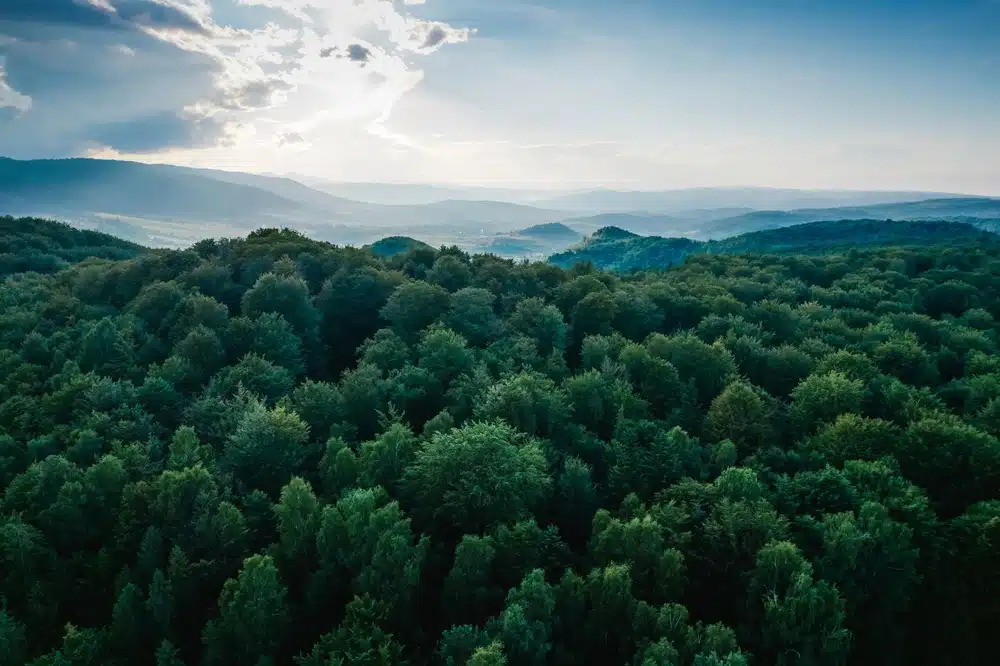
The Wildlife Surveillance Challenge in India
The wildlife surveillance challenge facing India's forest protection and conservation management agencies reflects the combination of the geographic scale of the protected areas requiring monitoring, the sophistication of the illegal activities threatening their ecological integrity, and the resource constraints that limit the surveillance capacity of the agencies whose mandates require them to protect these areas against threats that are growing in both scale and operational complexity. India's network of national parks, tiger reserves, wildlife sanctuaries, and reserved forests encompasses millions of hectares of diverse terrain whose comprehensive monitoring through ground patrol programmes alone would require personnel deployments far exceeding the available staffing of the forest departments and wildlife protection agencies responsible for their management.
The inadequacy of ground patrol-based surveillance is compounded by the sophistication of the illegal activities that wildlife surveillance must detect and deter. Organised poaching networks targeting high-value species including tigers, elephants, rhinoceroses, and the diverse bird and reptile species whose body parts command premium prices in illegal wildlife trade markets have developed operational methodologies that specifically exploit the predictability of conventional patrol schedules. Poaching operations are planned through the systematic observation of patrol patterns over extended periods, with the timing of illegal activities specifically chosen to coincide with the intervals between patrol visits when surveillance is absent. This intelligence advantage that organised poaching networks have historically held over conventionally surveilled protected areas is the most significant operational factor limiting the effectiveness of wildlife protection programmes that rely on patrol-based monitoring without the continuous aerial surveillance that eliminates the gaps between patrol visits.
The aerostatic drone addresses this surveillance challenge by replacing the episodic presence of patrol-based monitoring with the continuous overhead surveillance that eliminates predictable monitoring gaps and denies organised poaching operations the temporal windows on which their operational planning depends. When an aerostatic drone is deployed over a protected wildlife area, the patrol schedule analysis that sophisticated poaching operations invest in becomes operationally worthless because there are no gaps in the monitoring record to exploit, regardless of how patiently and systematically the aerial presence is observed.
Persistent Night Surveillance for Wildlife Protection
The most consequential contribution of aerostatic drone technology to wildlife protection surveillance is the extension of effective monitoring coverage through the night hours when the risk to protected wildlife from poaching operations is highest and when the limitations of conventional surveillance approaches are most acute. Organised poaching operations targeting high-value wildlife species are overwhelmingly concentrated in the hours of darkness, when the optical limitations of conventional surveillance reduce detection risk to levels that make night operations significantly safer for poaching teams than the daytime activities that optical cameras and the visual observation of patrol personnel can address effectively.
Aerostatic drone platforms equipped with thermal imaging sensors maintain effective wildlife and human activity detection capability through darkness by detecting the thermal signatures of animals and individuals against the cooler background temperatures of the forest environment during the night hours when body heat signatures provide the most reliable detection signal available for the identification of living targets within complex forest terrain. The thermal signature of a tiger moving through forest at night, the heat profile of a vehicle approaching a protected area boundary after dark, and the campfire heat of a poaching team preparing for night operations within a reserve boundary are all detectable by sensitive thermal imaging from an aerostatic platform at altitude, providing wildlife protection teams with the real-time nocturnal intelligence that conventional optical surveillance systems fundamentally cannot provide.
The Atal DrishTI Tactical Aerostat demonstrates how advanced aerostatic platforms integrate thermal imaging capability within the persistent tethered architecture that continuous night surveillance requires, maintaining effective thermal detection performance throughout the full night operation period without the endurance limitations that would interrupt coverage during the hours when poaching risk is highest. Its stable elevated position provides the consistent thermal observation geometry that automated detection algorithms require to distinguish the thermal signatures of wildlife and human activity from the complex background thermal environment of forest terrain across the full range of seasonal temperature variations and atmospheric conditions that diverse Indian forest environments present.
Forest Intelligence for Ecosystem Protection
The forest intelligence applications of aerostatic drone persistent surveillance extend beyond the immediate wildlife protection mission to encompass the broader ecological monitoring that comprehensive forest ecosystem management requires for the evidence-based decisions that protect forest integrity, track ecological change, and guide the adaptive management responses that maintain ecosystem health across the full complexity of the biological and physical processes that determine forest condition.
Continuous optical monitoring of forest canopy from persistent aerostatic platforms provides forest managers with the spatially comprehensive, temporally continuous vegetation condition assessment that tracks changes in forest cover, canopy density, and vegetation health across the full extent of monitored protected areas with a temporal frequency and spatial resolution that satellite monitoring cannot provide at the scales most relevant to the management decisions of individual reserve administrations. The early detection of deforestation encroachment, invasive species establishment, fire damage progression, and the vegetation stress signatures that indicate developing drought or pollution impacts allows forest managers to direct protective and restorative interventions to the specific locations where developing threats are most acute rather than applying generalised management responses across entire management units without the spatial intelligence that targeted intervention requires.
Anti-Poaching Operations and Intelligence Integration
The operational value of aerostatic drone wildlife surveillance for anti-poaching operations is most fully expressed when the continuous aerial intelligence that persistent platforms generate is integrated with the anti-poaching response systems whose effectiveness in interdicting poaching operations depends on the speed, targeting precision, and coordination quality of their responses to aerial detections of suspicious activity within protected areas. Real-time thermal detection of suspicious human activity within reserve boundaries, transmitted immediately to anti-poaching rapid response teams through the communication relay functionality that advanced aerostatic platforms provide, enables response deployments whose speed and spatial precision reflects the continuous current intelligence available from persistent aerial surveillance rather than the delayed and localised intelligence that patrol-based detection systems generate.
The Aerial Innovation Ecosystem
The aerostatic drone technology enabling persistent wildlife surveillance and forest intelligence in India belongs to the same aerial innovation ecosystem that advances drone show for event productions and drone show for wedding displays. The stable tethered architecture, multi-sensor payload integration, energy-efficient power management, and reliable real-time communication that define wildlife surveillance excellence in advanced aerostatic platforms share foundational engineering principles with the technologies enabling spectacular aerial performances above celebrations across India.
A drone show for event performance creating precisely choreographed formations above a national celebration or major public festival, and a drone show for wedding display illuminating the night sky with luminous coordinated patterns above a family gathering, both reflect the maturation of the aerial engineering disciplines that make the Atal DrishTI Tactical Aerostat and similar platforms consequential enablers of persistent wildlife surveillance and forest intelligence. The precise positional control, fail-safe power management, and reliable communication that make a drone show for wedding both visually spectacular and operationally safe above its audience are expressions of the same engineering rigour that sustains aerostatic wildlife surveillance platforms through continuous deployment across the diverse and demanding forest environments where India's most ecologically significant and most urgently threatened wildlife populations depend on persistent aerial protection for their survival.
Comments
Log in or sign up to join the conversation.