
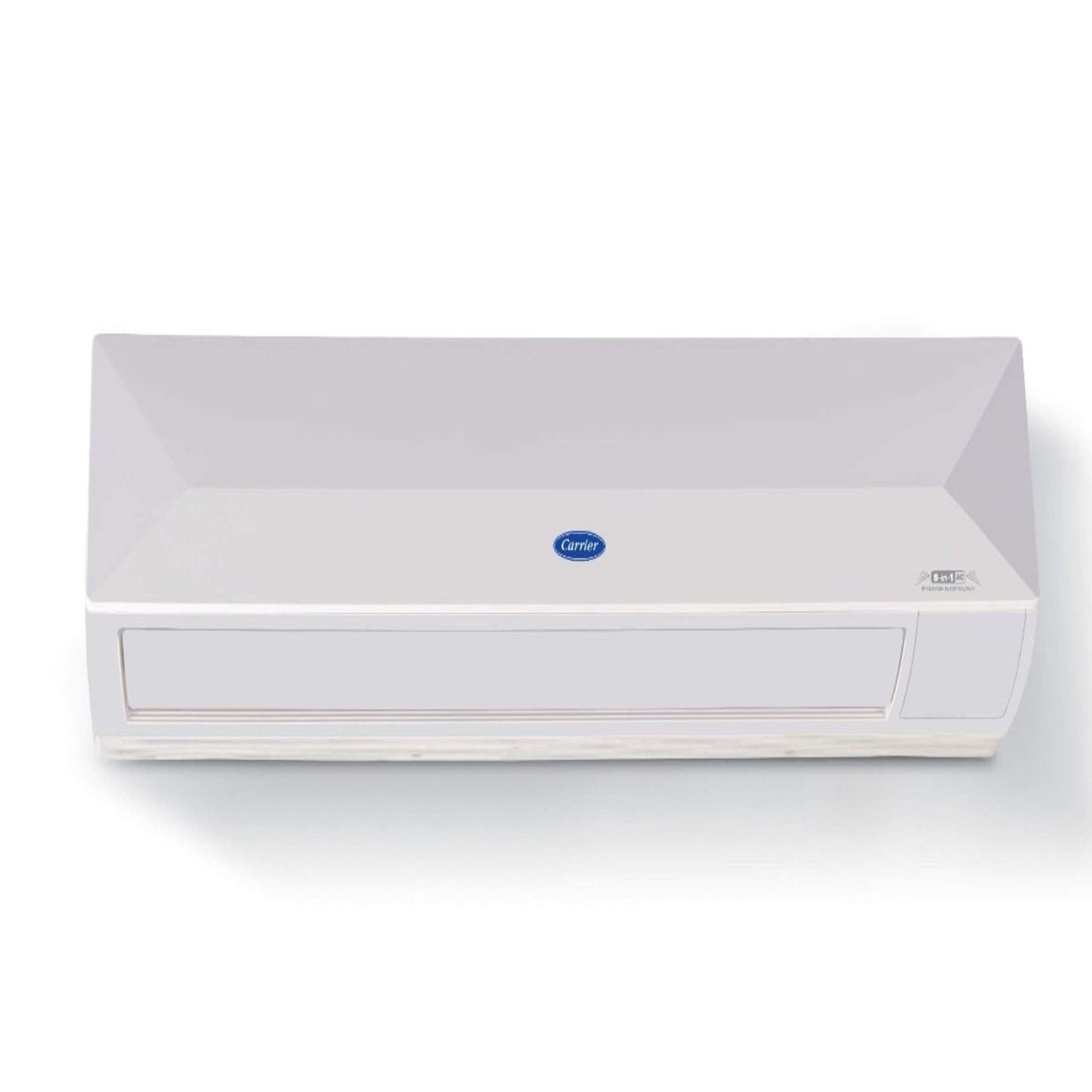
Most modern homes and offices want comfort all year, no matter how the weather shifts. So it’s not surprising that the demand for a hot and cold air conditioner has climbed fast in recent years. Unlike older cooling units that really only help in summer, these newer systems can do cooling and heating too, which makes them kinda a practical all-season answer. Whether it’s the intense summer heat or those cold winter mornings, a hot and cold AC keeps the indoor space steady, and it does that with energy saving and real day-to-day ease.
From all the choices today, the split air conditioner is still one of the top picks, mainly because of its neat look, low noise levels, and strong overall performance. When you mix smart tech with modern design, split AC systems are basically changing how people handle indoor temperature control.
How a Hot and Cold Air Conditioner Works
A hot and cold air conditioner uses reversible heat pump technology. So it can cool when it’s hot outside, and warm the room when it’s colder. Instead of needing one machine for cooling and another one for heating, you can get both functions from a single unit. That two-in-one style makes it cost-effective and also easier on the available space.
The way it operates is more about moving heat rather than creating it. In summer, it takes heat out of the indoor area and sends it outside. Then in winter, the flow flips; it pulls warmth from the outdoor air and pushes it into the room. This automatic style of work helps keep temperatures comfy. Also, it uses less electricity than regular heating devices.
Why Split Air Conditioners Are So Popular
A split air conditioner is better than the old-school window air conditioners. Because the compressor stays outside, split ACs usually run with much lower noise, so your home or office feels calmer, like bedrooms too, not that constant hum all day.
Another thing people really like is how it looks. Split air conditioners are sleek, compact, and look pretty modern. So they blend in with current interiors without feeling awkward. They also have installation flexibility, and you do not need that huge window space. This is handy for apartments, villas, clinics, hotels, and even retail stores.
And then there’s the air care side. Today’s split air conditioners come with advanced air filtration systems that help improve indoor air quality, pulling out dust, allergens, and pollutants. That matters a lot in city areas where pollution is kinda high. On some premium versions, you might get antibacterial filters, humidity regulation, etc. You also get to enjoy smart connectivity using a mobile app. This makes them easier to manage day-to-day comfort.
Benefits of Choosing a Hot and Cold Split Air Conditioner
When you go for a hot and cold split air conditioner, there are a few longer-term wins for both homes and commercial spaces. Not just instant cooling, and that’s it.
Year-Round Comfort
The main win is steady comfort in every season. Instead of installing separate heating systems for winter and separate cooling systems for summer, one unit can handle both needs efficiently. It also keeps maintenance simpler, and sometimes it even cuts down overall appliance expenses.
Energy Efficiency
Most modern hot and cold split air conditioners use inverter technology. The compressor speed can be adjusted based on the room temperature. This helps avoid wasting electricity, so power use drops, and it can help lower the total electric consumption.
Space Saving and kinda Elegant Design
Since one appliance does both jobs, users can free up useful indoor space. Split air conditioners also bring a modern vibe to interiors, thanks to their minimalistic and sort of clean-looking designs.
Better Air Quality
Advanced filtration systems help keep indoor air noticeably cleaner. That matters a lot for families with children, elderly people, or those dealing with allergies and respiratory concerns.
Quiet Operation
The indoor units of split air conditioners are built for near-silent performance. Because of that, they’re great for bedrooms, conference rooms, study areas, and even healthcare environments where low noise levels are basically non-negotiable.
Bottom Line
Picking the right hot and cold split air conditioner really depends on a few key things. Room size has a big say in how much cooling and heating power you’ll need. Choosing the right tonnage matters to not waste electricity.
Energy ratings are also worth checking. Models with higher star ratings generally use less electricity. This can lead to better long-term savings. Buyers should also look at features like inverter technology, air purification filters, smart controls, and warranty coverage.
Comments
Log in or sign up to join the conversation.