

Industry Key Highlights
The Global Home Security Systems Market was valued at USD 38.88 billion in 2025.
The market is expected to reach USD 63.85 billion by 2031.
The market is projected to grow at a CAGR of 8.62% from 2026 to 2031.
Independent Homes represent the fastest-growing home-type segment.
North America remains the largest regional market.
Smart-home connectivity and IoT integration are major contributors to market expansion.
Falling hardware costs are making security technologies more accessible to a broader consumer base.
DIY security solutions are gaining popularity alongside professionally installed and monitored systems.
Artificial intelligence is improving video analytics, event recognition, and false-alarm reduction.
Data privacy and cybersecurity remain major concerns as residential security devices become increasingly connected.
Subscription-based and hybrid monitoring models are creating new recurring-revenue opportunities for market participants.
Global Home Security Systems Market: Growth, Trends and Forecast 2031
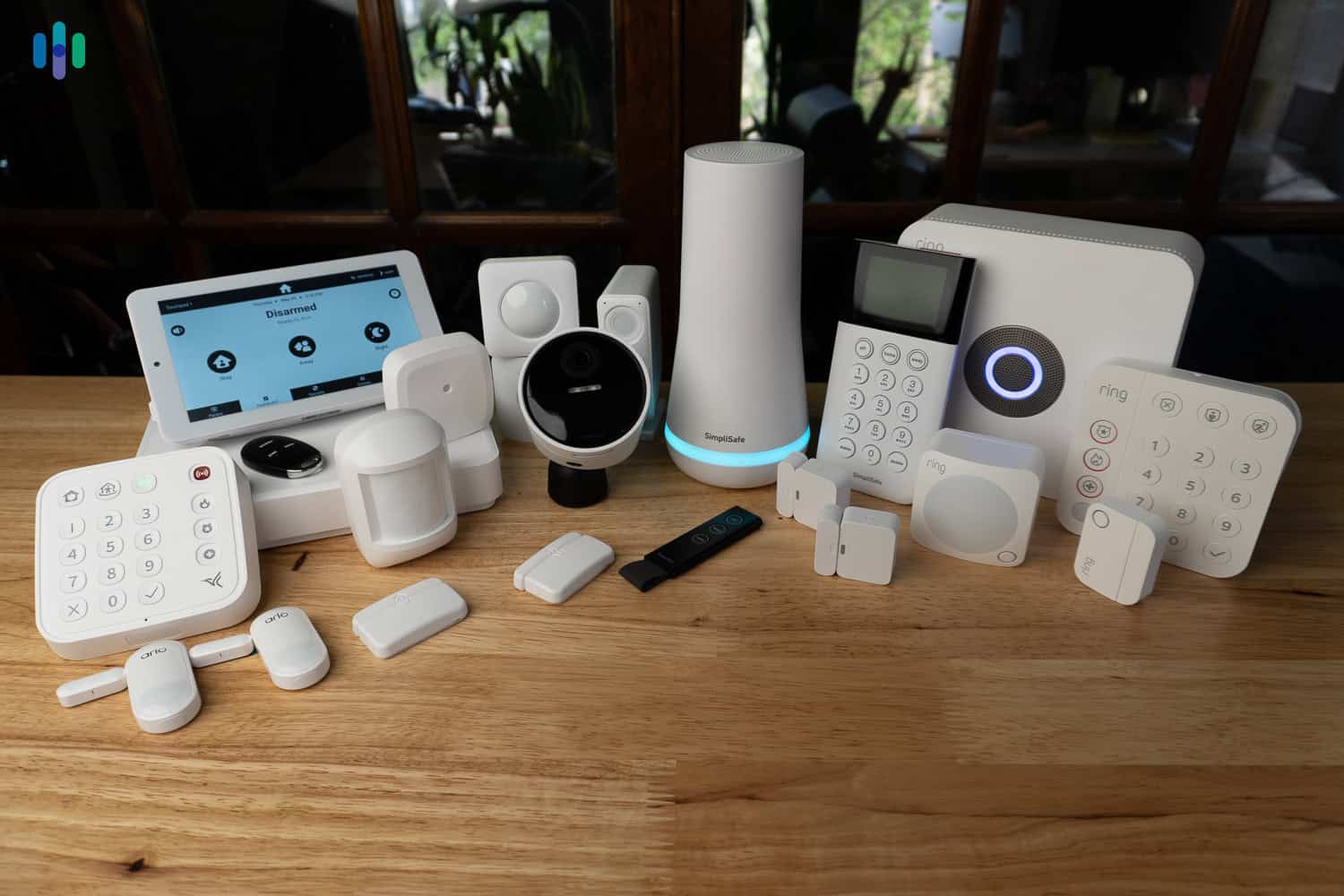
The global Home Security Systems Market is undergoing a significant transformation as homeowners increasingly prioritize residential safety, remote monitoring, and connected living. Modern security solutions have evolved well beyond traditional alarms, incorporating cameras, sensors, access control technologies, smart locks, connected devices, and software platforms that enable homeowners to monitor and manage their properties from virtually anywhere.
According to TechSci Research report, “Home Security Systems Market Size - Global Industry Share, Trends, Competition Forecast & Opportunities, 2031F", The Global Home Security Systems Market will grow from USD 38.88 Billion in 2025 to USD 63.85 Billion by 2031 at a 8.62% CAGR.
Urbanization is another important factor shaping demand. As residential communities become increasingly connected and technology-driven, consumers are looking for security solutions that can operate as part of a broader smart-home ecosystem. Instead of using separate devices for surveillance, access control, and alarms, homeowners increasingly prefer integrated platforms that bring multiple functions together.
The market is also changing from a hardware-focused industry toward a technology and services-oriented ecosystem. Cloud connectivity, mobile applications, artificial intelligence, subscription-based monitoring, and intelligent video analytics are becoming important elements of modern residential security solutions.
Main Drivers
Increasing Consumer Focus on Residential Safety
One of the fundamental factors supporting the growth of the Home Security Systems Market is the increasing importance consumers place on protecting their homes, families, and personal assets.
Homeowners are increasingly looking for security solutions that can provide immediate notifications when unusual activity is detected. Traditional locks and alarms are being complemented by smart cameras, motion sensors, door and window sensors, connected lighting, and remote access systems.
The financial consequences of burglary and property intrusion also strengthen the case for security investments. As consumers become more aware of potential losses associated with theft or property damage, sophisticated security systems are increasingly viewed as preventive investments rather than optional household accessories.
Smart Home and IoT Integration
The convergence of home security with smart-home technology is creating a broader ecosystem for residential protection. Consumers increasingly expect security devices to work alongside lighting, thermostats, smart locks, voice assistants, and other connected household technologies.
This integration allows homeowners to manage multiple functions through centralized mobile applications or smart-home platforms. For example, a security system can automatically trigger lighting when motion is detected or notify homeowners when an access point is opened unexpectedly.
Such interoperability increases the value of home security systems and encourages consumers to upgrade from standalone devices to comprehensive connected solutions.
Request For Sample Copy of Report For More Detailed Market insight
Lower Hardware Costs
Technological advancements and increased competition among manufacturers have helped reduce the cost of many residential security devices. Wireless cameras, sensors, smart locks, and alarm systems are becoming more accessible to consumers who may previously have considered professional security installations too expensive.
Lower equipment costs are also encouraging homeowners to build security systems incrementally. Consumers can begin with a camera or smart doorbell and subsequently add additional sensors, locks, alarms, or monitoring services.
Flexible Monitoring Models
The traditional model of long-term professional monitoring is being complemented by flexible alternatives. Consumers can increasingly choose between professionally installed and monitored systems, DIY solutions, and hybrid arrangements.
This flexibility enables households to select security services according to their budgets, technical capabilities, and desired level of professional support.
Emerging Trends
AI-Powered Video Analytics
Artificial intelligence is becoming one of the most influential technologies in residential security. Modern cameras can analyze visual information and differentiate between people, animals, vehicles, and other forms of movement.
This capability helps reduce unnecessary alerts and allows security systems to prioritize events that are more likely to represent genuine threats.
AI-based analytics can also support more proactive security strategies. Instead of simply recording an event after it happens, intelligent systems can identify suspicious activity and generate alerts in near real time.
Growth of DIY Security Solutions
Do-it-yourself security systems are gaining traction because they provide consumers with greater control over installation and configuration. Wireless equipment allows homeowners to install cameras, sensors, and alarms without extensive wiring or professional construction work.
DIY solutions are particularly attractive to technology-oriented consumers who prefer managing their own systems through mobile applications.
At the same time, DIY does not necessarily mean completely independent monitoring. Hybrid models increasingly allow homeowners to manage routine alerts themselves while retaining access to professional assistance when required.
Hybrid Professional and Self-Monitoring
The distinction between professionally monitored and DIY security is becoming less rigid. Hybrid services are emerging that combine consumer-controlled monitoring with professional intervention capabilities.
Under these models, homeowners can receive alerts through mobile applications and decide how to respond, while professional monitoring services can provide additional assistance during serious incidents or when users are unavailable.
This approach creates a balance between affordability, convenience, and security assurance.
Connected and Cloud-Based Security
Cloud connectivity is enabling security information to be accessed remotely through smartphones and other connected devices. Homeowners can view live video feeds, review recordings, manage access permissions, and receive alerts even when they are away from their properties.
Cloud-based platforms also allow security providers to introduce software updates and new features without requiring complete hardware replacement.
However, greater connectivity also increases the importance of cybersecurity, data protection, authentication, and secure software architecture.
Biometric and Advanced Access Control
Residential access control is gradually becoming more sophisticated. Smart locks and biometric technologies can provide alternatives to traditional keys and password-based entry.
Fingerprint recognition, facial authentication, mobile credentials, and other digital access methods can improve convenience while creating detailed access-management capabilities for homeowners.
Competitive Analysis
ADT Inc.
Honeywell International Inc.
Vivint Inc.
Frontpoint Security Solutions LLC
SimpliSafe, Inc.
Securitas Technology Corporation
Johnson Controls International plc
Comcast Corporation
Ring LLC
Customers can also request for 10% free customization on this report.
Segmentation
The Global Home Security Systems Market is segmented based on Home Type, Security, Systems, Services, and Region.
By Home Type
Independent Homes:
Independent homes are projected to be the fastest-growing segment. Standalone properties often have several accessible entry points and may lack the centralized security infrastructure available in some apartment communities. This encourages homeowners to deploy dedicated surveillance, access control, alarm, and monitoring solutions.
Apartments:
Apartments represent another important application area, particularly as residential developers integrate security technologies into modern housing projects. Access control, surveillance, smart entry systems, and integrated building security can enhance safety across shared and private spaces.
By Security
Professionally Installed & Monitored:
Professionally installed and monitored systems remain attractive to consumers seeking comprehensive protection and expert support. These solutions typically provide professional installation and monitoring services for households that prefer a managed security experience.
Do-It-Yourself:
DIY solutions appeal to consumers seeking flexibility, lower installation costs, and greater control over their systems. Wireless technologies have made DIY deployment easier and more practical.
By Systems
Access Control Systems:
Access control solutions include smart locks and other technologies designed to regulate entry into residential properties. Their integration with mobile applications and smart-home platforms is increasing their importance.
Others:
Other systems encompass additional security technologies used to support comprehensive residential protection, including surveillance and alarm-related solutions.
By Services
Security System Integration Services:
Integration services help combine multiple security technologies into a unified residential platform. This can improve system management and enable different devices to communicate with one another.
Others:
Other services include supporting solutions associated with installation, maintenance, monitoring, and technology management.
By Region
The market covers North America, Europe, Asia Pacific, South America, and the Middle East & Africa.
North America is the largest regional market. Strong smart-home adoption, high consumer spending capacity, established security providers, and widespread use of connected technologies support the region's leadership.
Asia Pacific is also an important growth market as urbanization, rising technology adoption, expanding residential construction, and growing consumer interest in connected homes create new opportunities.
Europe, South America, and the Middle East & Africa are also witnessing increasing adoption as residential consumers and property developers place greater emphasis on modern security infrastructure.
FAQ
1. What is the size of the Global Home Security Systems Market?
The Global Home Security Systems Market was valued at USD 38.88 billion in 2025 and is projected to reach USD 63.85 billion by 2031.
2. What is the expected CAGR of the Home Security Systems Market?
The market is expected to grow at a CAGR of 8.62% between 2026 and 2031.
3. Which segment is growing fastest in the Home Security Systems Market?
The Independent Homes segment is projected to be the fastest-growing category. The need for dedicated security infrastructure and the increasing adoption of smart-home technologies are supporting demand among owners of standalone properties.
4. Which region dominates the Global Home Security Systems Market?
North America is the largest regional market. Strong smart-home adoption, high consumer purchasing power, established security infrastructure, and widespread IoT integration contribute to its leading position.
Contact US:
Techsci Research LLC
420 Lexington Avenue, Suite 300,
New York, United States- 10170
Tel: +13322586602
Email: [email protected]
Comments
Log in or sign up to join the conversation.