
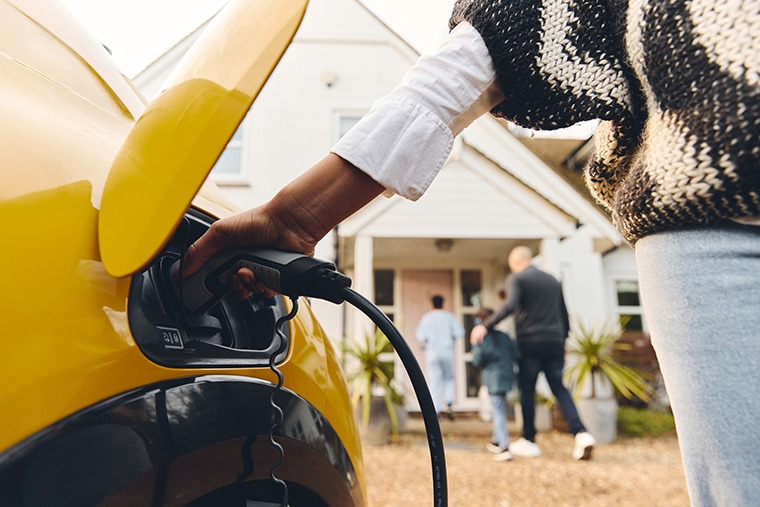
As electric vehicles continue to gain popularity worldwide, the demand for convenient and efficient charging solutions is rising rapidly. One of the most practical solutions for EV owners is installing home electric car chargers. These systems allow users to charge their vehicles overnight, ensuring a full battery every morning without relying on public charging stations.
With advancements in technology and increasing environmental awareness, more homeowners are investing in reliable charging infrastructure. This guide explores everything you need to know about home electric car chargers, from benefits to installation and best practices.
What Are Home Electric Car Chargers?
Home electric car chargers are devices installed in residential properties to charge electric vehicles. They provide a safe and efficient way to deliver power directly to your EV, often much faster than standard wall outlets.
Types of Home Chargers
Level 1 Chargers
Use a standard household outlet
Slow charging speed
Ideal for low daily mileage
Level 2 Chargers
Require a 240V outlet
Faster charging times
Most popular choice for homeowners
Benefits of Installing a Home Electric Car Charger
Switching to a home charging system offers several advantages that enhance convenience and efficiency.
Convenience and Accessibility
Charging at home eliminates the need to visit public charging stations. You can simply plug in your vehicle overnight and wake up to a fully charged battery.
Cost Savings
Home charging is often more affordable compared to public charging networks. Electricity rates at home are generally lower, especially during off-peak hours.
Time Efficiency
With faster charging speeds, especially from Level 2 chargers, you can significantly reduce charging time and improve your daily routine.
Key Features to Look for in a Home Charger
Choosing the right charger requires understanding essential features that improve usability and performance.
Smart Connectivity
Many modern chargers come with Wi-Fi or app integration, allowing you to monitor charging sessions, track energy usage, and schedule charging times.
Safety Features
Look for chargers with built-in protection against overcharging, overheating, and electrical faults.
Weather Resistance
If installed outdoors, ensure the charger is weatherproof and durable to withstand environmental conditions.
Installation Process
Installing a home electric car charger involves several steps and may require professional assistance.
Electrical Assessment
Before installation, your home’s electrical system must be evaluated to ensure it can handle the additional load.
Professional Installation
Hiring a certified electrician ensures the charger is installed safely and complies with local regulations.
Placement Considerations
Choose a location that is easily accessible and close to your parking area for convenience.
Smart Charging and Energy Management
Modern home chargers are designed to optimize energy consumption and improve efficiency.
Load Balancing
This feature ensures that your home’s electrical system is not overloaded by distributing power efficiently.
Scheduled Charging
You can program your charger to operate during off-peak hours, reducing electricity costs.
Integration with Renewable Energy
Some systems can integrate with solar panels, allowing you to charge your vehicle using clean energy.
Common Challenges and Solutions
While home charging offers many benefits, there are some challenges that users may face.
High Initial Cost
Although installation can be expensive, government incentives and long-term savings often offset the cost.
Limited Electrical Capacity
Upgrading your electrical panel may be necessary, especially for older homes.
Space Constraints
Proper planning can help you optimize space and ensure a smooth installation process.
Future of Home EV Charging
The future of EV charging is evolving rapidly with technological advancements.
Faster Charging Speeds
New technologies are reducing charging times significantly, making EV ownership even more convenient.
Smart Home Integration
Chargers are becoming part of smart home ecosystems, allowing seamless control through voice assistants and mobile apps.
Enhanced User Experience
User-friendly interfaces and automation are making charging simpler and more efficient.
Practical Use Case
Many homeowners are now turning to home electric car chargers to create a reliable and efficient charging setup that supports their daily transportation needs while reducing dependency on public infrastructure.
FAQs
What is the best type of home electric car charger?
Level 2 chargers are generally the best choice due to their faster charging speed and efficiency for daily use.
How long does it take to charge an EV at home?
Charging time depends on the charger type and vehicle battery size. Level 2 chargers typically take 4–8 hours for a full charge.
Can I install a home EV charger myself?
It is recommended to hire a certified electrician to ensure safe installation and compliance with electrical standards.
Conclusion
Home electric car chargers have become an essential part of modern EV ownership. They offer unmatched convenience, cost savings, and efficiency, making them a smart investment for any electric vehicle owner.
By choosing the right charger, ensuring proper installation, and leveraging smart features, homeowners can enjoy a seamless charging experience. As technology continues to evolve, home charging solutions will become even more advanced, further supporting the global shift toward sustainable transportation.
Comments
Log in or sign up to join the conversation.