
High-performance motor electric wheelchairs are essential for enhancing mobility in the rehabilitation market. These specialized devices are designed to cater to the needs of individuals requiring assisted mobility while ensuring reliability and performance. For B2B buyers—including purchasing managers, distributors, and rehabilitation centers—understanding the specifications, purchasing options, and performance factors of these wheelchairs is crucial. This article will provide insights into high-performance motor specifications, wholesale purchasing options, cost factors, key features to consider, and common performance issues, equipping buyers with the knowledge they need to make informed purchasing decisions.
High-Performance Motor Specifications for Electric Wheelchairs
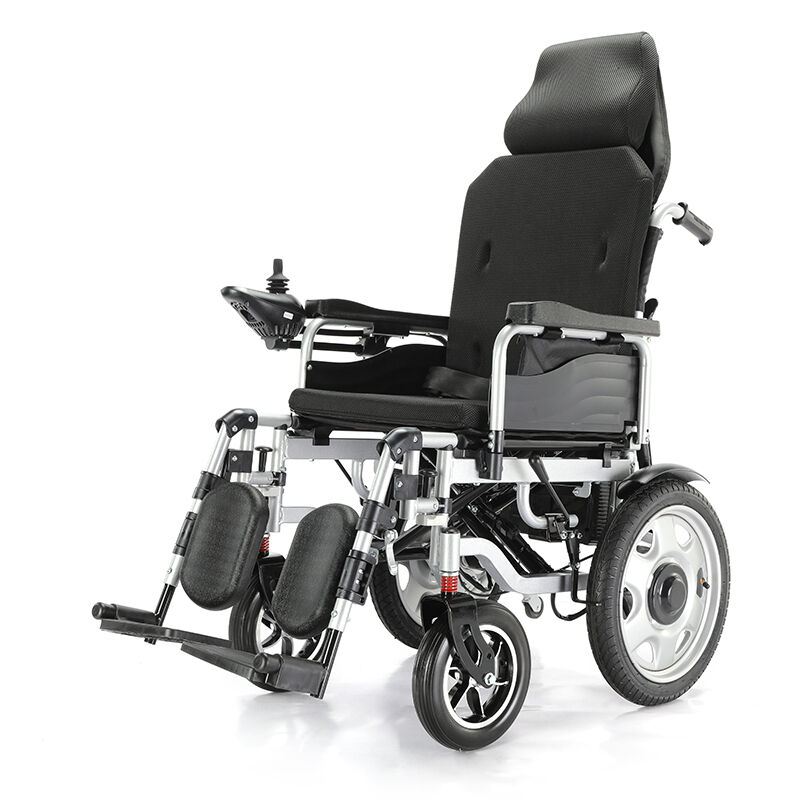
When evaluating high-performance motor electric wheelchairs, the specifications of the motors play a critical role in determining the overall performance and suitability for various rehabilitation applications. Key motor specifications include power output, torque, and efficiency.
Power Output: Typically measured in watts, the power output indicates the motor's ability to propel the wheelchair effectively. Higher wattage motors provide better acceleration and can handle steeper inclines, making them ideal for varied terrain.
Torque: This specification reflects the motor's ability to generate rotational force. A motor with higher torque is essential for navigating obstacles or inclines, ensuring that users can move with ease and confidence.
Efficiency: Efficiency ratings indicate how well the motor converts electrical energy into mechanical energy. Higher efficiency translates to longer battery life, which is crucial for users who rely on electric wheelchairs for extended periods.
Understanding these motor specifications helps buyers assess the performance capabilities of different wheelchair models and select the most suitable option for their specific needs.
Wholesale Purchasing Options for High-Performance Electric Wheelchairs
For businesses looking to purchase high-performance electric wheelchairs in bulk, several wholesale purchasing options can be considered. Suppliers like Ningbo Baichen, which specializes in high-end rehab mobility gear, offer OEM (Original Equipment Manufacturer) and ODM (Original Design Manufacturer) services.
Bulk Orders: Many manufacturers have minimum order quantities (MOQs) that may vary depending on the model and customization options. It’s important to inquire about these MOQs and the potential for price breaks based on volume.
Customization: Buyers often have the option to customize features such as color, design, and additional functionalities based on their customer requirements. Discussing these options during the purchasing process can lead to tailored products that better meet the needs of end-users.
Delivery and Logistics: When sourcing electric wheelchairs, buyers should also consider logistics, including lead times and shipping methods. Understanding these factors will help businesses manage inventory more effectively and ensure timely delivery to customers.
By leveraging wholesale purchasing options, businesses can secure high-performance electric wheelchairs while optimizing costs and enhancing their product offerings.
Cost Factors to Consider When Buying Electric Wheelchairs in Bulk
The cost of high-performance motor electric wheelchairs can vary significantly based on several factors. Buyers should consider the following elements when preparing to purchase in bulk:
Material Quality: The choice of materials, such as carbon fiber and lightweight alloys, can affect both the cost and performance of the wheelchair. Higher-quality materials typically lead to increased durability and reduced weight, enhancing user experience.
Motor Specifications: As previously mentioned, the specifications of the motors, including power output and efficiency, can influence the overall cost. A higher-performing motor may come with a higher price tag, but it often results in better performance and longevity.
Customization Options: Custom features can add to the overall cost but may be necessary to meet specific market demands. Buyers should weigh the benefits of customization against the potential increase in price.
Packaging and Shipping Costs: These can vary based on the supplier and the destination. Understanding these costs upfront can aid in budgeting and financial planning, ensuring that the total cost aligns with the project's budget.
By carefully evaluating these cost factors, buyers can make more informed decisions and optimize their purchasing strategy.
What to Look for in Electric Wheelchairs
Selecting the right electric wheelchair involves several critical considerations beyond just motor specifications. Here are key aspects buyers should evaluate:
Comfort and Ergonomics: Assess the seating design and adjustability features to ensure comfort for users during prolonged use. Ergonomically designed chairs help reduce fatigue and improve user satisfaction.
Battery Life and Charging Time: The capacity of the battery and its charging time are crucial for users who require mobility throughout the day. Look for wheelchairs with longer battery life and faster charging capabilities to meet user needs effectively.
Safety Features: Safety mechanisms such as anti-tip designs, secure braking systems, and stability controls are essential. These features enhance user confidence and safety, particularly for individuals with limited mobility.
Maintenance Requirements: Consider the ease of maintenance and availability of replacement parts. A wheelchair that is easy to maintain will reduce long-term costs and improve reliability.
By focusing on these key factors, buyers can ensure they select Electric Wheelchair electric wheelchairs that meet their quality and performance expectations.
Common Problems and Solutions for Electric Wheelchair Performance
Despite their advanced technology, electric wheelchairs may encounter performance issues. Here are common problems and their solutions:
Battery Performance Issues: Batteries may degrade over time, leading to reduced range. To mitigate this, buyers should establish a routine for battery maintenance, including proper charging practices and periodic checks on battery health.
Motor Overheating: Motors may overheat under excessive folding electric lightweight wheelchair
load or prolonged use. Ensuring that the wheelchair is used within its specified limits and allowing for cooling periods can prevent this issue.
Electrical Failures: Issues such as loose connections or faulty wiring can lead to performance failures. Regular inspections and maintenance can help identify potential electrical problems before they escalate.
Tire Wear and Tear: Tires can wear out depending on usage and terrain. Buyers should consider the type of tires used and the recommended maintenance practices to prolong their lifespan.
By understanding these common problems and their solutions, buyers can take lightweight folding wheelchair electric proactive measures to ensure reliable performance and user satisfaction.
In summary, high-performance motor electric wheelchairs are vital for enhancing mobility within the rehabilitation market. By focusing on specifications, purchasing options, cost factors, selection criteria, and performance issues, buyers can make informed decisions that align with their operational needs and customer expectations.
Comments
Log in or sign up to join the conversation.