

The recent Alchemist includes an interesting article about hedging. Should mining companies hedge their gold production? Or should we use gold as hedge? Of course, we should. But against what? The WGC argues that the yellow metal is a hedge against emerging market risk. Is it true?
Hedging on the Up
As usual, there are several interesting articles in the latest issue of the LBMA’s Alchemist, which cover themes ranging from the history of Bundesbank’s gold reserves to gold mining in Australia, or memoirs of important people for the gold industry, etc.
However, the most important article is about the hedging by Sean Russo and Dave Rowe. What is it? Well, gold producers can hedge against falling gold prices by shorting gold futures contracts to lock in a future selling price.
The benefits of hedging are clear: it hedges against the bear market in gold. Moreover, hedging allows entrepreneurs to access debt to develop mines, as selling some future production raises money today. It can also help the gold mining companies to smooth out changes in the gold market by securing margins to work their balance sheet harder.
The drawback of the hedging is that gold producer would have gain more without the hedge during the bull market and rally in the gold. However, as the author argues, hedging it’s “about securing margins to work their balance sheets harder, not punting on the gold price.”
The heyday of hedging was in the 1990s, when gold remained in a prolonged bear market and companies such as Barrick Gold Corporation hedged millions of ounces of future production to lock in profitability at their operations. At its height in December 1999, more than 3,000 tons of gold was hedged.
But as gold prices started to rise in 2001, hedging showed its ugly face. With the price of the yellow metal far above the levels at which companies hedged, the industry’s hedging liability became bigger and bigger, pushing many produces into serious troubles. The rising gold prices made hedging unpopular. The ultra-low interest rates and the availability of debt funds which came after the Great Recession have also contributed to lower levels of hedging. The global hedge book amounts currently to around 7.5 million ounces of gold. However, the strategy is gaining on popularity, allowing producers to reduce debt and providing them with more predictable revenue streams. Luckily, the current hedging is not like the hedging done in the 1990s, but it’s more disciplined and more limited in size (on average, only six months of production are hedged). Thus, even if the gold prices move higher, it shouldn’t significantly impact the mining companies.
Using Gold to Hedge Emerging Market Risk
While Alchemist focuses on hedging by gold producers, the World Gold Council, in its May Investment Update, analyzes the use of gold as a hedge against the emerging market risk. The report starts with the observation that rising interest rates in the U.S. could cause uncertainty and hurt the attractiveness of exposure to the emerging market risk. Luckily, “as gold often acts as a safe haven and hedge against systemic risks, it can provide an appropriate hedge to EM exposure.” The WGC also argues that gold provides a hedge against foreign-exchange risk at a lower cost than traditional currency hedges.
However, we don’t agree. Both gold and emerging market currencies suffer when the U.S. dollar rallies, so we are skeptical about the idea of adding gold to the portfolio with EM currency exposure. To be clear: we strongly support the idea of having precious metals in an investment portfolio, but not because they hedge against emerging market risks.
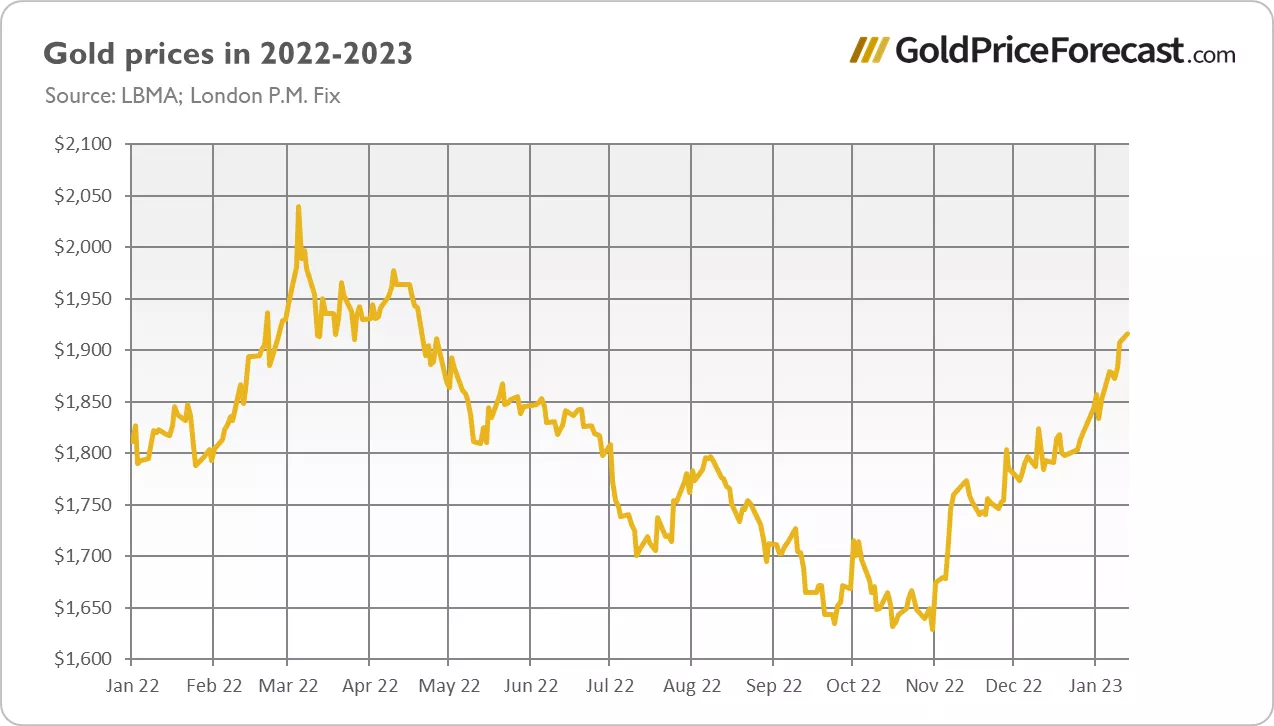
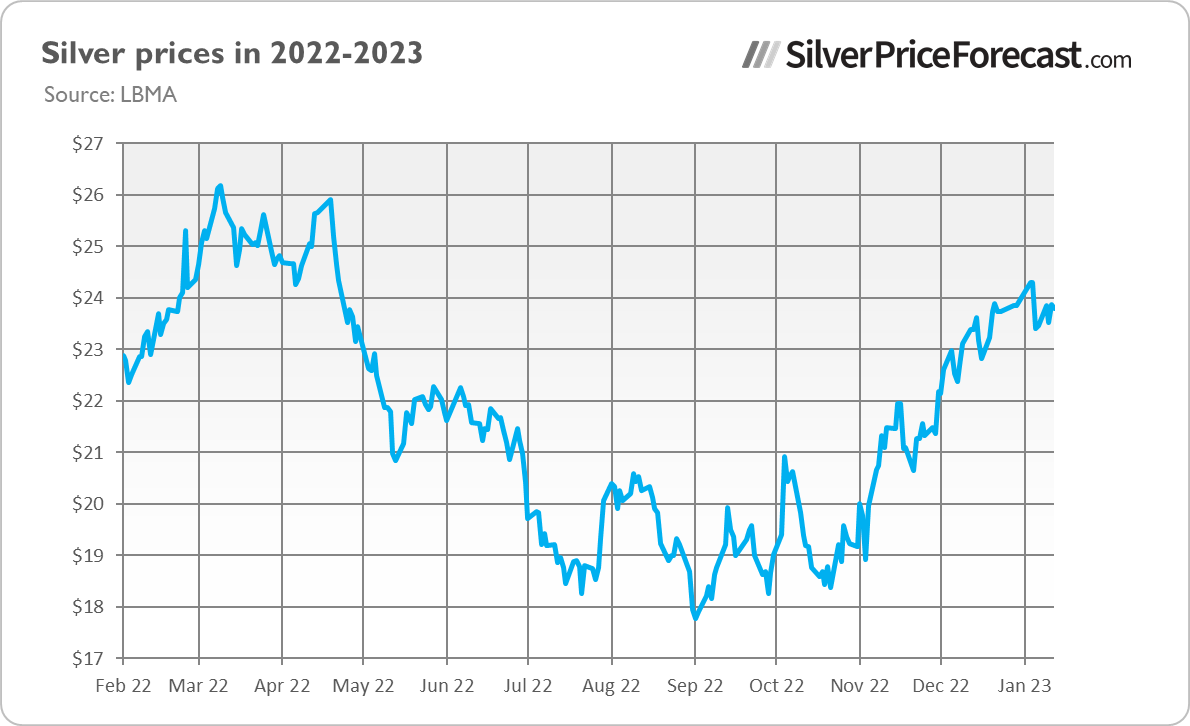
This is not true. Gold does act as a safe haven against systemic risks, but emerging markets are not systematically important. It may be considered sad that investors don’t care about developing countries, but this is a reality. You have seen, all animals are equal but some animals are more equal than others. Similarly, all markets are important but some markets are more important than others. And gold also often shrugs off what is happening in emerging markets – the Asian Financial Crisis is the best example. Instead, gold is very sensitive to the developments in the EU, Japan and primarily in the U.S., as the yellow metal is the bet against the U.S. dollar.

Comments
Log in or sign up to join the conversation.