

Introduction
Healthcare is one of the most demanding and data-driven industries, where timely access to information and seamless communication can directly impact patient outcomes. As the industry continues to evolve, mobility has become a critical component of delivering efficient, high-quality care. Healthcare mobility solutions are designed to support this transformation by enabling secure, real-time access to data, communication tools, and essential applications across a wide range of devices and environments.
From hospitals and clinics to remote care settings and emergency response teams, mobile technology is reshaping how healthcare professionals operate. By integrating mobility into everyday workflows, organizations can improve efficiency, enhance patient experiences, and ensure that care is delivered without delays or disruptions.
The Growing Role of Mobility in Healthcare
The modern healthcare environment relies heavily on digital systems such as electronic health records, telemedicine platforms, and real-time communication tools. These systems require reliable access across multiple devices, often in fast-paced and high-pressure situations.
Mobility allows healthcare professionals to access patient data at the point of care, reducing the need for manual processes and improving accuracy. Instead of being tied to a workstation, clinicians can use mobile devices to retrieve information, update records, and communicate with colleagues instantly.
This shift toward mobile-enabled care not only improves efficiency but also enhances the quality of care by ensuring that critical information is always available when needed.
Enhancing Patient Care Through Real-Time Access
One of the most significant benefits of healthcare mobility solutions is the ability to provide real-time access to patient information. This capability allows healthcare providers to make informed decisions quickly, reducing delays and improving outcomes.
For example, during patient consultations, clinicians can access medical histories, lab results, and treatment plans directly from their mobile devices. This eliminates the need to switch between systems or rely on outdated information, ensuring that decisions are based on the most current data available.
Real-time access also supports better coordination among healthcare teams, enabling seamless communication and collaboration across departments.
Supporting Remote Care and Telehealth
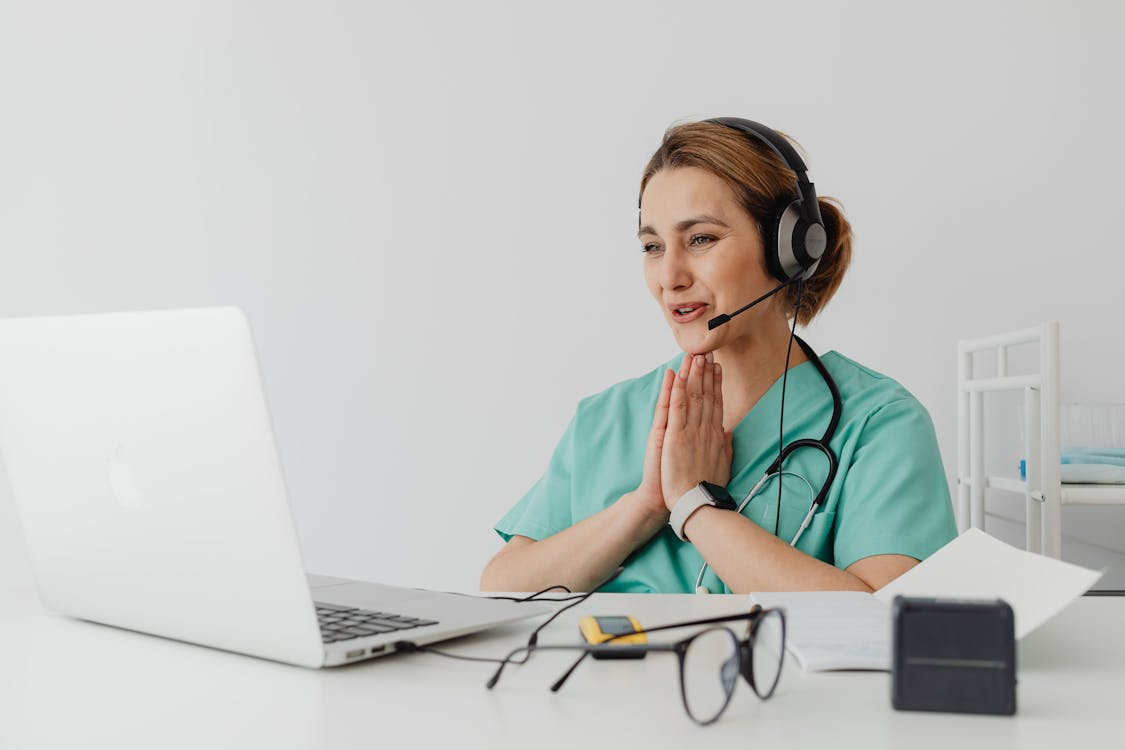
The rise of telehealth and remote care has made mobility even more important in the healthcare industry. Patients are increasingly receiving care outside of traditional clinical settings, requiring reliable connectivity and secure access to systems.
Healthcare mobility solutions enable providers to deliver care remotely through video consultations, remote monitoring, and digital communication tools. This not only improves access to care for patients but also reduces the burden on healthcare facilities.
For patients in rural or underserved areas, mobile connectivity can make the difference between receiving timely care and facing significant delays.
Ensuring Security and Compliance
Security is a top priority in healthcare, where sensitive patient data must be protected at all times. Mobility solutions are designed with robust security measures to ensure that data remains secure, even when accessed from multiple devices and locations.
This includes encryption, secure authentication, and continuous monitoring to detect and prevent unauthorized access. By implementing strong security protocols, healthcare organizations can maintain compliance with regulatory requirements while protecting patient privacy.
Ensuring security does not come at the expense of usability. Modern solutions are designed to balance protection with ease of access, allowing healthcare professionals to work efficiently without compromising security.
Improving Operational Efficiency
Healthcare environments are often complex, with multiple systems and processes that must work together seamlessly. Mobility solutions streamline these operations by integrating devices and applications into a unified system.
This integration reduces the need for manual data entry, minimizes errors, and improves workflow efficiency. Staff can communicate more effectively, access information quickly, and complete tasks with greater accuracy.
By improving efficiency, healthcare organizations can focus more on patient care and less on administrative challenges.
Supporting Emergency Response and Field Operations
In emergency situations, time is critical. Healthcare mobility solutions provide the tools needed for rapid response and coordination, ensuring that first responders and medical teams have access to the information they need in real time.
Mobile devices can be used to transmit patient data, communicate with hospitals, and coordinate care during transport. This level of connectivity ensures that patients receive timely and appropriate treatment, even before they arrive at a medical facility.
For field operations, mobility solutions enable healthcare providers to operate effectively in diverse environments, maintaining connectivity and access to critical systems.
Scalability for Expanding Healthcare Systems
As healthcare organizations grow, their mobility needs become more complex. Mobility solutions are designed to scale with the organization, allowing for the addition of new devices, users, and applications without disrupting operations.
This scalability ensures that healthcare providers can continue to deliver high-quality care as they expand their services and adopt new technologies. It also allows organizations to adapt to changing demands, such as increased patient volumes or new regulatory requirements.
The Future of Healthcare Mobility
The future of healthcare mobility is being shaped by advancements in technology, including cloud computing, artificial intelligence, and improved wireless connectivity. These innovations are making mobility solutions more powerful, intuitive, and efficient.
As these technologies continue to evolve, healthcare organizations will have access to even more advanced tools for delivering care, improving outcomes, and enhancing patient experiences. Mobility will remain a central component of this transformation, driving innovation and progress in the industry.
Conclusion
Healthcare mobility solutions are essential for enabling connected care in a digital-first environment. By providing real-time access to data, supporting remote care, and ensuring security and compliance, these solutions empower healthcare organizations to deliver better outcomes and improve efficiency.
As the healthcare industry continues to evolve, mobility will play an increasingly important role in shaping the future of care, ensuring that providers can meet the demands of a rapidly changing world.
Comments
Log in or sign up to join the conversation.