

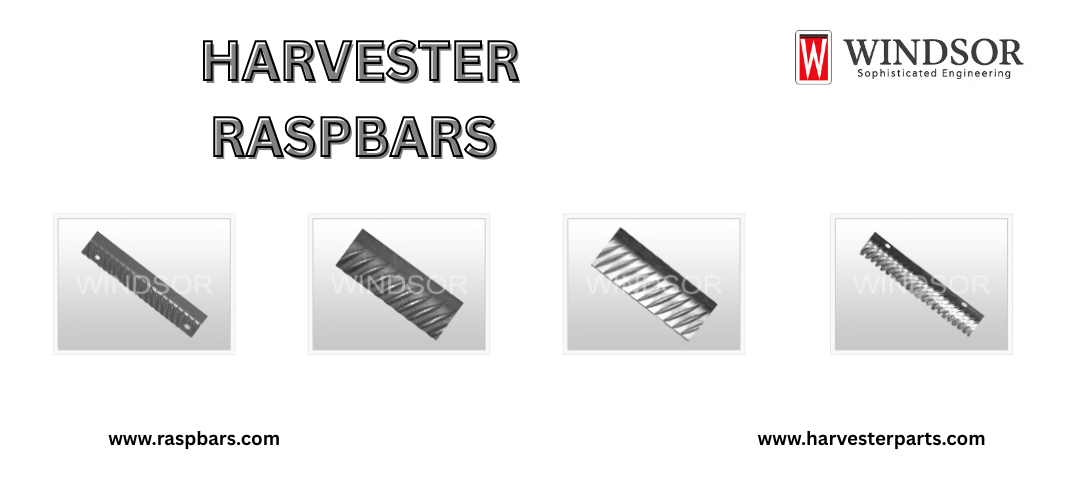
Harvester raspbar plays its part in any combine harvester: working in unison with other components, it creates the mechanical force needed for the threshing process. However, the part’s condition, design, and suitability can affect the performance and productivity of the machine.
Farmers, agricultural machinery dealers, and technicians seeking to optimize the operation of their equipment may want to consider the role of rasp bars and their replacement schedules.
What Does Harvester Raspbar Do?
The threshing mechanism requires a controlled force to separate the grain from the rest of the plant matter. Depending on the design of the combine harvester, the harvester raspbar is a part of the threshing mechanism, subjected to continuous friction from the crop.
The working edge of the tool is worn down during the machine’s operation, losing its ability to deliver the force needed for the threshing process. The shape of a rasp bar may vary depending on the model and year of issue of the combine. Therefore, a replacement part should be chosen with the machine’s exact specifications in mind.
Raspbar vs. Beater Bar: What’s the Difference?
Depending on the manufacturer and the design of the combine, beater bars and rasp bars may be used interchangeably. Strictly speaking, these terms refer to two different parts: a rasp bar is a tool with a working edge needed to deliver a mechanical impulse to the crop, while a beater bar is a mechanism that beats the crop during the threshing process.
However, due to the variety of agricultural machinery and the inconsistency of factory standards, the term ‘rasp bar’ often refers to any part of the threshing mechanism. To ensure that the replacement part is suitable for the machine, it is best to consult the owner’s manual and clarify the location, size, and orientation of the tool. The term ‘beater bar’ usually refers to a large bar designed to beat the crop.
When Should I Check the Harvester Raspbar?
During the threshing process, the working edge of the rasp bar is under significant stress. Therefore, during technical inspections, the part should be examined for irregularities, such as:
• uneven wear,
• adhesion of foreign objects,
• cracks,
• deformation,
• displacement of the mounting plates,
• signs of mechanical damage.
When a significant change in the condition of the rasp bar is observed, it should be replaced. The irregular shape of the tool’s working surface reduces its efficiency and creates an obstacle to the free movement of the crop. This increases the load on the drive mechanism, reducing the energy efficiency of the machine and the quality of the threshing process.
Why the Correct Replacement Is Important
The design of the harvester raspbar can vary depending on the combine’s brand, model, and year of manufacture. In addition, the mounting location and the mechanism’s working principle are also subject to variation. Before replacing the part, it is necessary to ensure that the dimensions, orientation, and power characteristics of the replacement bar match the original specifications.
This is especially important for those who rely on the correct fit of the combine harvester parts: incorrect installation of the rasp bar will lead to improper coordination with the drive mechanism, affecting the operation of the entire threshing system. Furthermore, the wrong choice of the part’s size and shape may complicate its removal from the transport packaging.
How Does the Condition of the Crop Affect the Service Life of the Part?
The intensity of the combine’s work, the characteristics of the crop, and the settings of the machine also affect the wear rate of the rasp bar. When used intensively, the tool is subjected to additional stress, which accelerates its wear. This also applies to the processing of difficult-to-harvest crops (moisture, bulk, and the presence of hard plants).
Therefore, the timing of the replacement of the part is determined by the current operating conditions of the machine. After the completion of the high-load stage of work, it is necessary to inspect the working edge of the rasp bar. If irregularities are found, the part should be replaced.
How to Maintain the Combine Harvester Parts?
To ensure the reliable operation of the combine and avoid problems during the season, it is recommended to carry out a simple maintenance and inspection of the machine before the start of the season.
The procedure involves inspecting and, if necessary, replacing the worn parts of the threshing mechanism. A set of simple actions will allow you to detect and solve the emerging problems.
1. First, the technician should remove the dirt buildup from inside the threshing mechanism.
2. Then, using a flashlight, he should examine the working edge of the rasp bar. During the operation, the tool can be subjected to abrasion, leading to the formation of defects on the surface.
3. Next, it is necessary to ensure that the mounting brackets are not damaged and that the bar is securely fixed.
4. When multiple rasp bars are mounted on the combine, the operator should pay attention to the symmetry of the wear of the working edges. If the tool differs significantly in wear, it indicates improper mounting, which leads to additional abrasion of one side of the bar.
5. Finally, if the technician finds any defects on the working surface of the bar, he should replace the part. Since the rasp bar is subject to continuous abrasion, a complete replacement of the combine harvester parts will ensure stable performance of the machine.
Before the Season Begins: Preparing Spare Parts
It is best to replace worn parts before the begin of the season. A pre-season technical inspection of the machine will allow the owner to not only clean and adjust the combine but also prepare a list of spare parts that may be needed.
Windsor offers a wide range of agricultural machinery components and equipment for the needs of farmers. Replacing worn parts on the combine harvester will help to increase the efficiency and productivity of the machine.
Moreover, keeping a supply of agricultural machinery parts will reduce unplanned downtime: instead of waiting until the problem arises, it will be possible to eliminate the fault during the scheduled maintenance.
Increasing the Efficiency of the Threshing Mechanism
A rasp bar is only one of the many parts of the threshing mechanism; the correct setting of the machine and the adjustment of the other components can also affect the working conditions of the rasp bar. Therefore, when replacing the worn parts of the combine, it is worth paying attention to the other components of the threshing mechanism.
In addition, to achieve the highest efficiency of the threshing mechanism, it is necessary to follow the recommendations of the manufacturer. The correct setting of the inter-row spacing, the choice of the optimal speed of rotation of the rolls, and the adjustment of the position of the concave also affect the operating conditions of the rasp bar. During the operation of the machine, it is necessary to monitor the state of the working edges of the rasp bar: timely replacement of worn parts is key to increasing the efficiency of the combine harvester.
Comments
Log in or sign up to join the conversation.