

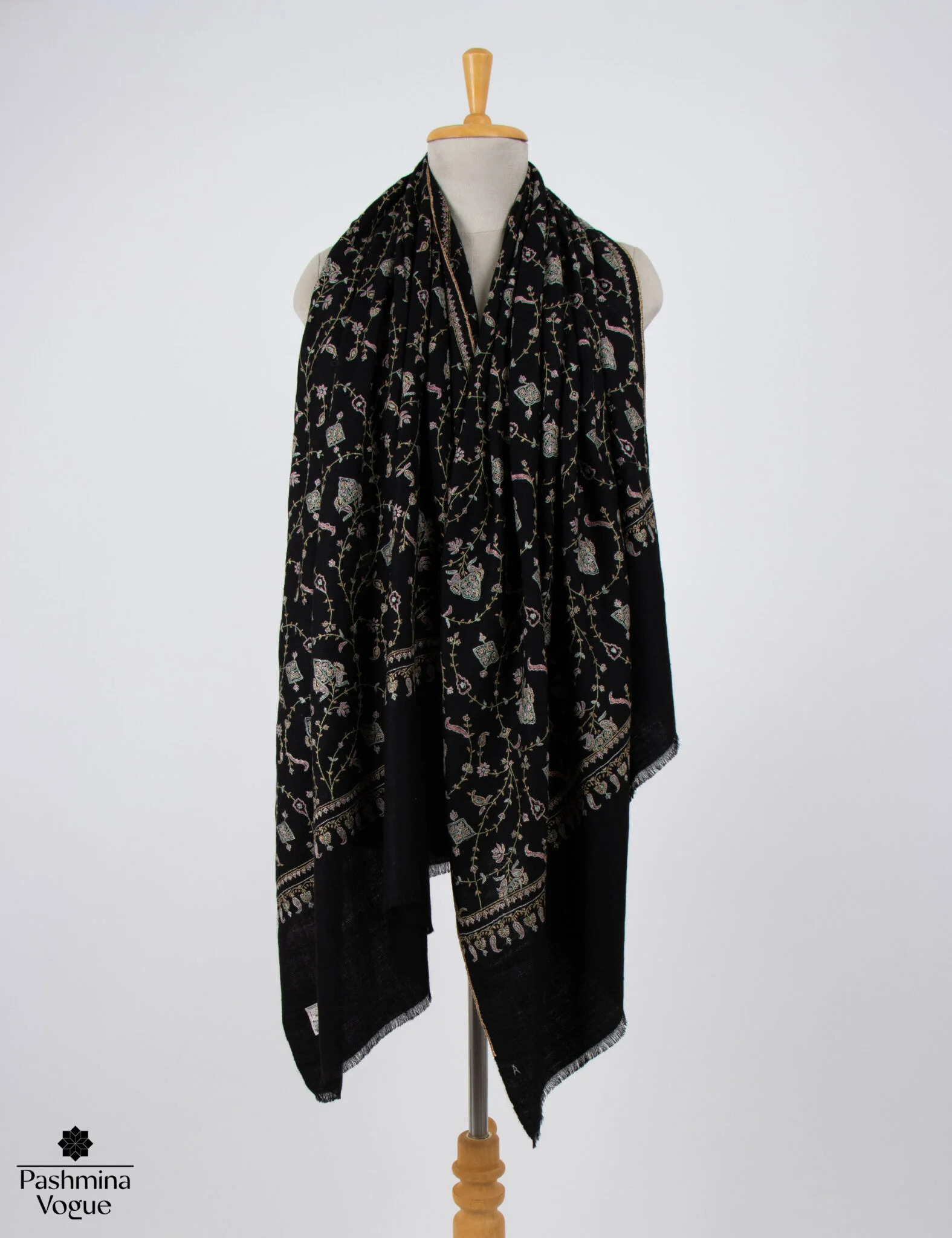
Luxury shawls have always represented elegance, warmth, and timeless craftsmanship. However, not every premium-looking shawl is created the same way. Many buyers often confuse handspun Pashmina with machine-spun cashmere because they appear similar at first glance. Understanding the differences between these two fabrics helps shoppers make informed decisions and appreciate the value of authentic craftsmanship.
If you are looking for handspun Pashmina shawls, knowing how they are made, how they feel, and how they perform over time is essential. The production process directly affects softness, durability, warmth, and overall quality.
What Is Handspun Pashmina?
Handspun Pashmina is created using traditional spinning techniques that have been passed down through generations of skilled artisans. The delicate Pashmina wool is carefully spun by hand into fine yarn before it is woven into luxurious shawls.
This manual process requires exceptional skill, patience, and attention to detail. Since every thread is individually spun, slight natural variations become part of the beauty of the finished product. These subtle irregularities are signs of authentic craftsmanship rather than imperfections.
The result is an exceptionally soft, lightweight, and breathable fabric that provides remarkable warmth without feeling heavy.
Understanding Machine-Spun Cashmere
Machine-spun cashmere is manufactured using industrial equipment designed for large-scale production. Automated spinning creates uniform yarn with consistent thickness, allowing manufacturers to produce fabrics much faster than traditional methods.
While machine-spun cashmere offers a neat and polished appearance, the manufacturing process focuses more on efficiency than handcrafted artistry. The fabric generally feels smooth and comfortable, but it lacks the individuality and heritage associated with handspun textiles.
Because production is highly standardized, machine-made products are widely available and often produced in larger quantities.
The Difference in Craftsmanship
One of the most noticeable differences between handspun Pashmina and machine-spun cashmere is the craftsmanship involved.
Handspun Pashmina represents hours of skilled manual work where artisans carefully spin delicate fibers by hand before weaving them into elegant shawls. Every stage of production reflects traditional techniques that have been preserved for generations.
Machine-spun cashmere, on the other hand, relies on automated systems that prioritize speed and consistency. While modern machinery ensures uniform production, it cannot replicate the character and individuality created through handcrafted work.
For buyers who appreciate authentic artistry, handcrafted production remains an important factor when selecting luxury textiles.
Texture and Feel
The spinning process significantly influences how a shawl feels against the skin.
Handspun Pashmina develops a naturally soft texture that becomes even smoother with proper care over time. The handcrafted yarn creates a luxurious drape while maintaining exceptional breathability.
Machine-spun cashmere generally has a consistent surface texture due to industrial processing. Although comfortable, it often lacks the organic feel and delicate softness associated with traditional handspun fibers.
Many textile enthusiasts appreciate the natural character found in authentic handcrafted fabrics.
Warmth and Comfort
Both materials provide excellent insulation, but handspun Pashmina is particularly valued for its ability to offer warmth without excessive weight.
Its lightweight construction allows air to circulate naturally while retaining body heat during colder seasons. This combination makes it suitable for both everyday elegance and special occasions.
Machine-spun cashmere also offers warmth and comfort, although differences in fiber processing and manufacturing techniques may slightly influence its overall feel and thermal performance.
Durability and Longevity
A well-crafted handspun Pashmina shawl can remain beautiful for many years when cared for properly. Traditional weaving techniques contribute to its durability while preserving the softness of the fabric.
Proper storage, gentle cleaning, and careful handling help maintain its luxurious appearance over time.
Machine-spun cashmere products can also provide long-lasting use, but durability often depends on manufacturing quality and the grade of fibers used during production.
Choosing a carefully crafted shawl is an investment in lasting quality rather than simply following fashion trends.
Choosing Authentic Quality
When purchasing luxury shawls, authenticity should always be a priority. Buyers should carefully examine the craftsmanship, fabric texture, finishing quality, and overall feel before making a decision.
Trusted retailers who specialize in handcrafted textiles provide greater confidence in product quality and transparency regarding manufacturing techniques.
The Pashmina Vogue collection showcases carefully crafted shawls that celebrate traditional artistry while meeting the expectations of modern buyers seeking timeless elegance and exceptional comfort.
Why Handcrafted Luxury Continues to Matter
In today's fast-paced manufacturing environment, handcrafted textiles continue to hold special value because they preserve cultural heritage and support skilled artisans.
Every handspun Pashmina shawl tells a story of dedication, patience, and craftsmanship that cannot be replicated by automated production. This uniqueness makes handcrafted luxury more meaningful for individuals who appreciate quality over quantity.
Choosing authentic handcrafted products also contributes to preserving traditional weaving techniques that have been practiced for centuries.
Conclusion
Understanding the difference between handspun Pashmina and machine-spun cashmere allows buyers to make confident purchasing decisions based on craftsmanship, comfort, durability, and authenticity. While machine manufacturing offers consistency and efficiency, handcrafted Pashmina represents timeless artistry, remarkable softness, and enduring elegance.
Whether you are selecting a shawl for everyday sophistication or a meaningful gift, investing in authentic craftsmanship provides lasting value.
Pashmina Vogue is committed to celebrating traditional excellence through carefully curated collections that reflect elegance, quality, and heritage. Explore the latest offerings from Pashmina Vogue to experience the beauty of handcrafted luxury designed for generations to appreciate.
Frequently Asked Questions (FAQs)
1. What makes handspun Pashmina different from machine-spun cashmere?
Handspun Pashmina is created manually by skilled artisans using traditional spinning techniques, while machine-spun cashmere is manufactured using industrial machinery for faster and more uniform production.
2. Are handspun Pashmina shawls warmer than machine-spun cashmere?
Handspun Pashmina shawls are known for providing exceptional warmth while remaining lightweight and breathable, making them comfortable across different weather conditions.
3. How should a handspun Pashmina shawl be maintained?
It should be stored carefully, protected from moisture, and cleaned gently according to recommended care instructions to preserve its softness and longevity.
4. Why choose Pashmina Vogue?
Pashmina Vogue offers thoughtfully crafted luxury shawls that combine authentic craftsmanship, premium quality, timeless elegance, and traditional artistry for discerning buyers.
Comments
Log in or sign up to join the conversation.