
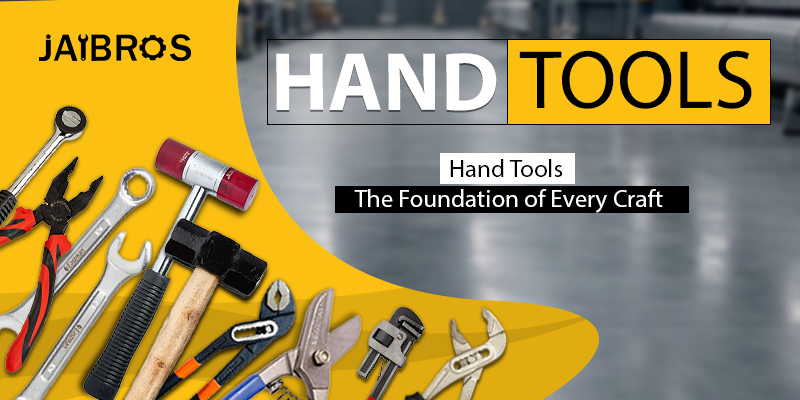
Be it tightening a loose screw, repairing some furniture, or even a construction job, using the right manual hand tool can help you perform the task easily and precisely. Manual hand tools have been around for ages as they are dependable, easy-to-use, and don’t need any electricity at all. Till date, experts and hobbyists still rely upon them for performing a variety of jobs. The durability, mobility, and easy maintenance of manual hand tools make them an integral part of every toolkit.
Knowing about the various types of manual hand tools along with their usage and benefits will be helpful while making a purchase. Here’s a complete guide that will cover everything you should know when buying manual hand tools for home or professional use.
What Is a Hand Tool?
Hand tools are manually driven devices that are created to carry out certain actions such as cutting, gripping, tightening, measuring, shaping, and striking of materials. In contrast to power tools, these kinds of tools only depend on human power and therefore are more applicable when electricity cannot be used. Since they are easy to handle and require minimal maintenance, manual tools have remained highly preferred by all kinds of people – from professionals to homeowners.
Tools used nowadays are made of tough materials like carbon steel, alloy steel, and chrome vanadium steel. Some of them are even equipped with ergonomic handles for better grip and prevention of hand strain.
Types of Hand Tools
Different tasks require different types of tools. Using the correct equipment improves work quality, increases efficiency, and reduces the risk of damaging materials.
Cutting Tools
Cutting tools are used for trimming, shaping, or separating different materials. They are commonly used in woodworking, electrical work, plumbing, and metal fabrication.
Examples include:
Utility knives
Hacksaws
Chisels
Wire cutters
Tin snips
Fastening Tools
Fastening tools help tighten or loosen screws, bolts, and nuts during installation or repair work.
Common examples include:
Screwdrivers
Adjustable wrenches
Socket wrenches
Allen keys
Torque wrenches
Striking Tools
These tools apply force to drive nails, break materials, or shape metal.
Examples include:
Claw hammers
Ball-peen hammers
Rubber mallets
Sledgehammers
Measuring and Marking Tools
Accurate measurements are essential before cutting or assembling materials.
Common measuring tools include:
Tape measures
Steel rulers
Spirit levels
Carpenter squares
Marking gauges
Holding and Gripping Tools
These tools secure materials while working and improve control.
Examples include:
Pliers
Locking pliers
Bench vices
Clamps
Common Uses
Manual tools are used in almost every industry because they provide precision and flexibility. Whether performing simple household repairs or complex industrial maintenance, they remain highly dependable.
Some common applications include:
Furniture assembly
Home maintenance
Electrical repairs
Plumbing work
Woodworking
Automotive servicing
Construction projects
Mechanical workshops
Gardening equipment maintenance
DIY home improvement
Professionals usually keep multiple hand tools in their toolbox because every tool is designed for a specific purpose.
Benefits of Using Manual Tools
Although the popularity of power tools has increased in recent times, many people still like the idea of working with manual tools to accomplish various kinds of repairs, construction work, and maintenance jobs. These tools are easy to operate, do not need electrical power, and help you control the process of doing specific work. Be it a normal handyman who is solving his minor problems at home or a professional who is doing some specific tasks at the construction site, manual tools come handy.
Key Benefits
Easy to use with minimal training.
Better precision for detailed work.
Portable because no electricity is required.
Affordable compared to powered equipment.
Durable when maintained properly.
Low maintenance and easy to store.
Buying Guide
Choosing the best hand tool is not all about selecting the most cost-effective one. Rather, the best hand tool should suit you, be durable, and also be easy to use. Such things as the quality of material used, shape of the handle, the purpose, and even the brand name can help in making your decision.
Things to Consider Before Buying
Choose hardened or chrome vanadium steel for durability.
Select ergonomic handles for better grip.
Buy according to your work requirements.
Pick the correct size for efficiency.
Purchase from trusted brands.
Check warranty coverage before buying.
Understanding Cost
Many purchasers make a comparison between the hand tool price before buying one. Although being cheap is essential, but in many cases buying the cheapest item may not be the right choice. The reason behind this is that the higher priced items tend to have a longer life span than the cheap ones.
Several factors affect the hand tool price such as quality of the material used, manufacturing standards, size, finishing and usage purpose of the tool.
Should You Buy a Complete Set?
If you are new to home maintenance or DIY projects, purchasing a hand tool kit is often a practical choice. A complete set usually includes essential items such as screwdrivers, pliers, a hammer, measuring tape, utility knife, and wrenches. Buying a kit is generally more economical than purchasing each tool separately, and it also keeps everything organized in one place.
Maintenance Tips
Proper maintenance improves performance and extends the life of your tools. A few simple habits can prevent rust, reduce wear, and keep equipment ready for use whenever needed.
Follow these tips:
Clean tools after every use.
Store them in a dry location.
Wipe away moisture immediately.
Apply light oil to metal surfaces.
Sharpen cutting edges regularly.
Replace damaged handles promptly.
Inspect tools before each use.
Never use the wrong tool for a job.
Common Mistakes to Avoid
Many users unintentionally reduce tool life by using improper techniques. Avoiding these common mistakes will improve safety and help your tools last longer.
Using the wrong tool for the task.
Applying excessive force.
Ignoring rust or corrosion.
Buying poor-quality products.
Leaving tools exposed to moisture.
Skipping regular maintenance.
Failing to inspect damaged parts before use.
Conclusion
Manual tools will always remain an indispensable aspect of repair, maintenance, construction, and do-it-yourself jobs due to their reliability, durability, and simplicity of use. Knowledge of various types of manual tools, their usage, and necessary aspects that should be considered prior to making the purchase will help you become a more competent purchaser and work more efficiently. With proper selection of high-quality tools, their appropriate maintenance, and right tool for the job, you will be able to perform tasks more professionally. At Jaibros, we believe that selection of reliable tools is possible through their quality and performance.
Faqs
1. What is a hand tool?
A hand tool is a manually operated device used for cutting, fastening, measuring, gripping, or striking materials without electricity.
2. Are manual tools suitable for beginners?
Yes. Most manual tools are easy to use and require very little training, making them suitable for beginners.
3. How long do quality tools last?
With proper maintenance and storage, high-quality tools can last for many years.
4. Should I buy individual tools or a toolkit?
Beginners usually benefit from purchasing a toolkit, while professionals may prefer buying specialized tools individually.
5. How can I keep my tools in good condition?
Clean them after use, store them in a dry place, lubricate metal parts occasionally, and inspect them regularly for wear or damage.
Comments
Log in or sign up to join the conversation.