

When you’re planning a building or DIY project, choosing the right timber matters just as much as choosing the right design. One question many homeowners and builders ask is whether they should use H2 Timber or H3 timber. At Advanced Timber & Hardware, we often help customers understand the difference so they can avoid costly mistakes later.
Both treatment levels are designed to protect timber, but they’re made for different environments. Knowing where and how the timber will be used is the key to making the right choice.
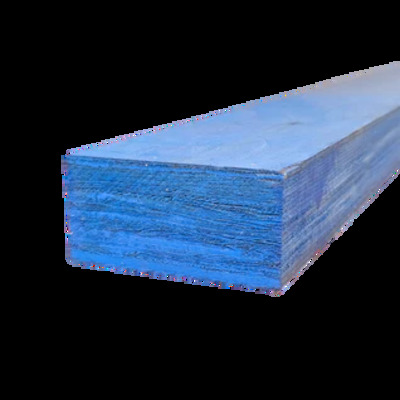
What Is H2 Timber?
H2 Timber is treated timber designed for indoor use. The treatment protects the wood from termites and other insects, making it suitable for internal structural framing.
You’ll commonly see H2 Treated Pine used for:
Wall frames
Roof trusses
Floor joists
Indoor structural applications
Because it’s intended for indoor areas, H2 Timber should not be exposed to weather or regular moisture. Rain and damp conditions can reduce its lifespan over time.
What Is H3 Timber?
H3 timber is treated for outdoor use above ground. Unlike H2 Timber, it can handle exposure to weather and moisture.
It’s commonly used for:
Pergolas
Deck framing
Fencing rails
Outdoor sleepers
Garden structures
The treatment level helps protect the timber against fungal decay, termites, and moisture damage. If your timber project will sit outside, H3 is usually the safer option.
The Main Difference Between H2 and H3
The biggest difference comes down to moisture resistance.
H2 Treated Pine is made for dry internal areas, while H3 timber is designed to survive outdoor conditions above ground. Even though both are termite resistant, H3 has stronger protection against wet weather and decay.
A simple way to think about it is:
H2 = indoors
H3 = outdoors
Using the wrong treatment level can shorten the life of your timber and create future repair costs.
Which One Should You Choose?
The answer depends on your project location.
If you’re building internal wall frames or roof supports, H2 Timber is usually the right fit. It provides protection without the heavier outdoor treatment chemicals used in H3 timber.
If your project is exposed to rain, humidity, or changing weather conditions, H3 timber is the better option.
For example:
Indoor renovation → H2 Timber
Pergola or fence → H3 timber
Roof framing inside the home → H2 Treated Pine
Outdoor garden structure → H3 timber
Why Builders Prefer Treated Pine
Many Australian builders choose treated pine because it’s reliable, cost-effective, and widely available. H2 Treated Pine especially remains popular for residential framing because it offers strong termite protection without unnecessary outdoor treatment.
At Advanced Timber & Hardware, we supply quality timber products suitable for both indoor and outdoor projects. Whether you’re a tradie working on a large build or a homeowner starting a DIY job, choosing the correct treatment level helps your project last longer and perform better.
Final Thoughts
Choosing between H2 and H3 timber doesn’t have to be confusing. The main thing to remember is where the timber will be used. H2 Timber works best indoors, while H3 timber is built for outdoor exposure.
Before starting your next project, make sure the timber treatment matches the environment. It’s a simple decision that can save time, money, and future maintenance.
Comments
Log in or sign up to join the conversation.