

Learning Self-Defense Classes in Indianapolis can help people develop practical safety skills, improve physical fitness, and build confidence in everyday situations. Whether you're a beginner or looking to strengthen existing abilities, understanding what self-defense training includes can help you choose a program that matches your goals and comfort level.
Why Learn Self-Defense?
Self-defense is about more than physical techniques. It also focuses on awareness, prevention, confidence, and decision-making under pressure.
People choose self-defense training for many reasons, including:
Building personal confidence
Improving physical fitness
Learning situational awareness
Developing quick decision-making skills
Practicing safe escape techniques
Reducing stress through regular exercise
The goal is not to encourage conflict but to help individuals recognize risks and respond appropriately when necessary.
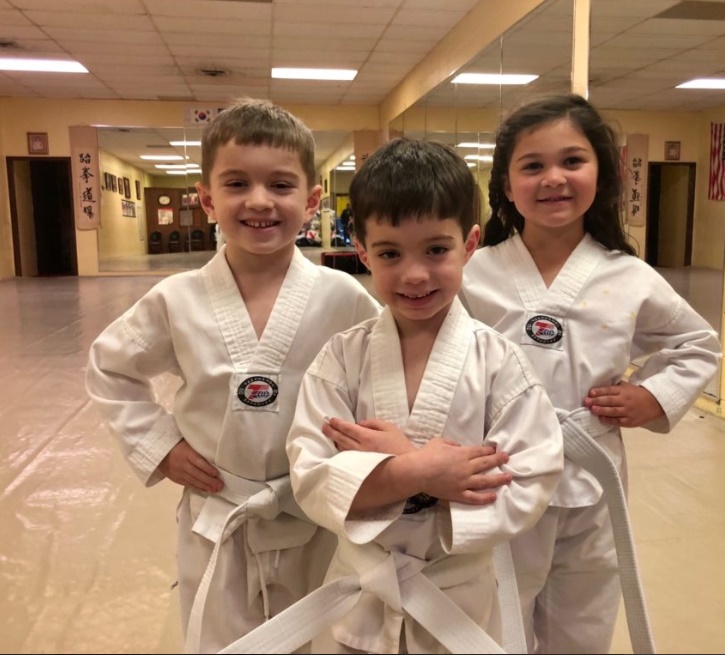
What to Expect in a Self-Defense Class
Most beginner-friendly programs introduce practical skills in a structured and supportive environment.
Training often includes:
Basic defensive movements
Balance and coordination exercises
Safe distancing techniques
Blocking and escape methods
Verbal de-escalation strategies
Partner practice under instructor supervision
Many classes also include warm-up exercises and flexibility training to help reduce injury risks.
Benefits Beyond Personal Safety
Learning self-defense offers advantages that extend beyond emergency situations.
Improved Physical Fitness
Classes typically involve cardiovascular exercise, strength development, flexibility, and endurance training. Regular participation can support overall health while making workouts more engaging.
Better Confidence
Learning practical skills often helps participants feel more capable in unfamiliar situations. Confidence gained in training frequently carries into work, school, and daily activities.
Increased Awareness
Students learn to recognize surroundings, identify potential risks, and make safer decisions before problems develop.
Stress Management
Physical activity combined with structured learning can improve focus and help reduce everyday stress levels.
Different Types of Self-Defense Training
Various martial arts and defensive systems teach different approaches.
Traditional Martial Arts
Traditional styles emphasize discipline, technique, respect, and gradual skill development alongside self-defense.
Modern Self-Defense Programs
These classes often focus on realistic situations, awareness, and practical defensive responses that can be learned relatively quickly.
Fitness-Based Self-Defense
Some programs combine defensive techniques with conditioning exercises to improve both safety skills and overall fitness.
Comparison of Popular Self-Defense Training Options
Training Style | Primary Focus | Suitable For | Physical Intensity |
|---|---|---|---|
Traditional Martial Arts | Technique and discipline | All ages | Moderate |
Modern Self-Defense | Practical personal safety | Teens and adults | Moderate |
Fitness Self-Defense | Conditioning and defense | Adults | Moderate to High |
Women's Self-Defense Programs | Everyday safety strategies | Women | Moderate |
Choosing the Right Self-Defense Class
Finding the right program depends on your goals, schedule, and preferred learning style.
Consider these factors before enrolling:
Instructor qualifications
Beginner-friendly curriculum
Class size
Safety practices
Training environment
Schedule flexibility
Opportunities for continued learning
Observing a class or speaking with instructors can help you understand whether the program fits your expectations.
How Martial Arts Support Self-Defense Skills
Many people develop practical defensive abilities through structured martial arts training.
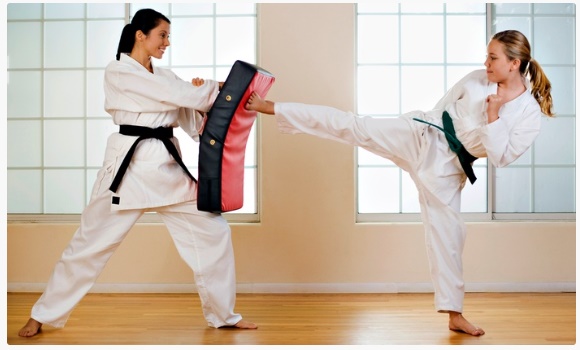
For example, Taekwondo Classes Indianapolis often emphasize balance, coordination, footwork, flexibility, and controlled striking techniques. These skills can complement broader self-defense education while encouraging discipline and respect.
Tips for Getting Started
Beginning a new training program does not require prior experience.
Helpful suggestions include:
Wear comfortable workout clothing.
Arrive early for your first class.
Stay hydrated.
Listen carefully to instructors.
Practice techniques consistently.
Focus on proper form before speed.
Steady practice usually leads to gradual improvement over time.
People Also Ask
Are self-defense classes suitable for beginners?
Yes. Most beginner programs are designed for people with little or no prior experience. Instructors usually introduce techniques gradually, focusing on safety, proper form, and confidence before progressing to more advanced skills.
What should I wear to a self-defense class?
Comfortable athletic clothing is generally recommended for beginner classes. Some martial arts schools provide uniforms after enrollment, while introductory sessions often allow regular workout attire and supportive athletic shoes if appropriate.
Can self-defense training improve confidence?
Many participants report increased confidence because they develop practical skills, improve physical fitness, and learn how to remain calm under pressure. Consistent practice also encourages discipline, focus, and better decision-making in everyday situations.
How long does it take to learn basic self-defense?
Many beginners can understand fundamental concepts within several weeks of regular practice. However, developing effective technique, confidence, and muscle memory requires continued training and consistent repetition over time.
Are self-defense classes only about fighting?
No. Most quality programs emphasize awareness, prevention, verbal communication, conflict avoidance, and safe escape strategies before physical techniques. The objective is personal safety rather than encouraging confrontation.
Frequently Asked Questions
Is prior martial arts experience required?
No. Most introductory classes welcome complete beginners and teach skills step by step.
Are self-defense classes physically demanding?
Training intensity varies by program. Beginners usually progress gradually based on their fitness level and personal comfort.
Can teenagers participate?
Many schools offer age-appropriate classes specifically designed for teenagers with structured instruction and supervision.
How often should beginners train?
Attending one to three classes each week allows many students to develop skills while maintaining consistency.
Do self-defense classes improve fitness?
Yes. Regular participation often improves cardiovascular health, flexibility, coordination, balance, and muscular endurance.
Is self-defense training safe?
When taught by qualified instructors using proper supervision and protective practices, self-defense training is generally considered safe for most healthy individuals.
Conclusion
Choosing Self-Defense Classes in Indianapolis is about finding a learning environment that supports safety, confidence, and long-term skill development. Consistent practice, realistic instruction, and personal commitment all contribute to meaningful progress. Those interested in Taekwondo Classes Indianapolis may also explore martial arts as part of a broader self-defense journey. For individuals seeking local training information, Indianapolis Taekwondo is one resource to consider while researching available programs.
#Grandmaster Park’s Taekwondo, #Taekwondo Training, #Beginner Taekwondo, #Martial Arts Classes, #Self-Defense Training, #Taekwondo Techniques, #Martial Arts for Beginners, #Taekwondo Benefits,
Indianapolis Taekwondo
1744 E. 86th Street Indianapolis IN 46240
317-571-1400
Comments
Log in or sign up to join the conversation.