


Gold is often described as an inflation hedge, but in practice, its price tends to react more quickly—and more consistently—to changes in real yields than to inflation headlines themselves. The distinction is important because it reflects how financial markets actually process information and price risk.
At its core, gold is a non-yielding asset. Unlike bonds or savings instruments, it does not generate income. As a result, its attractiveness is closely tied to the opportunity cost of holding it, which is best captured by real yields—typically defined as nominal Treasury yields minus inflation expectations.
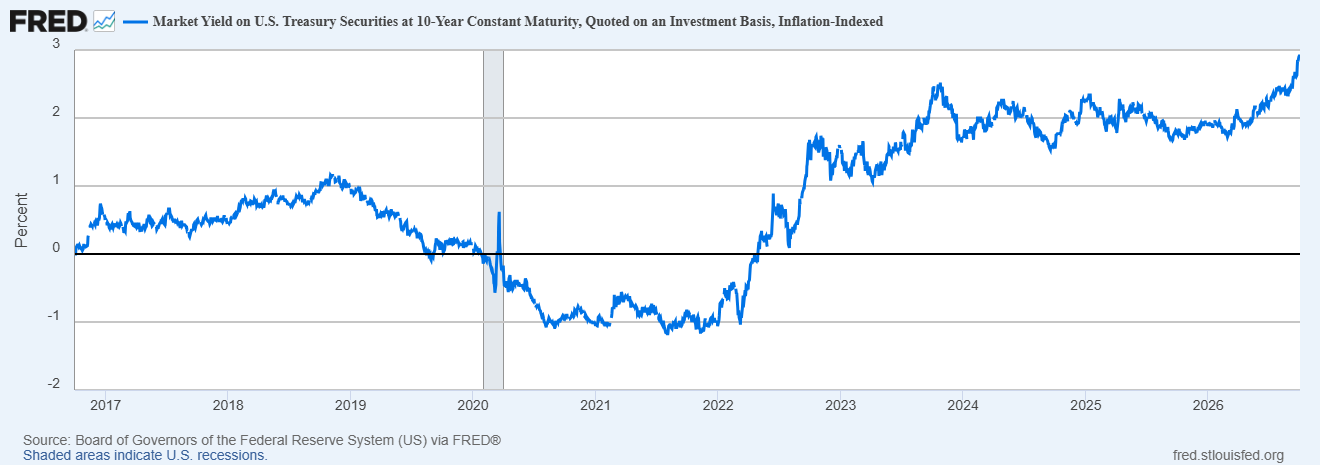
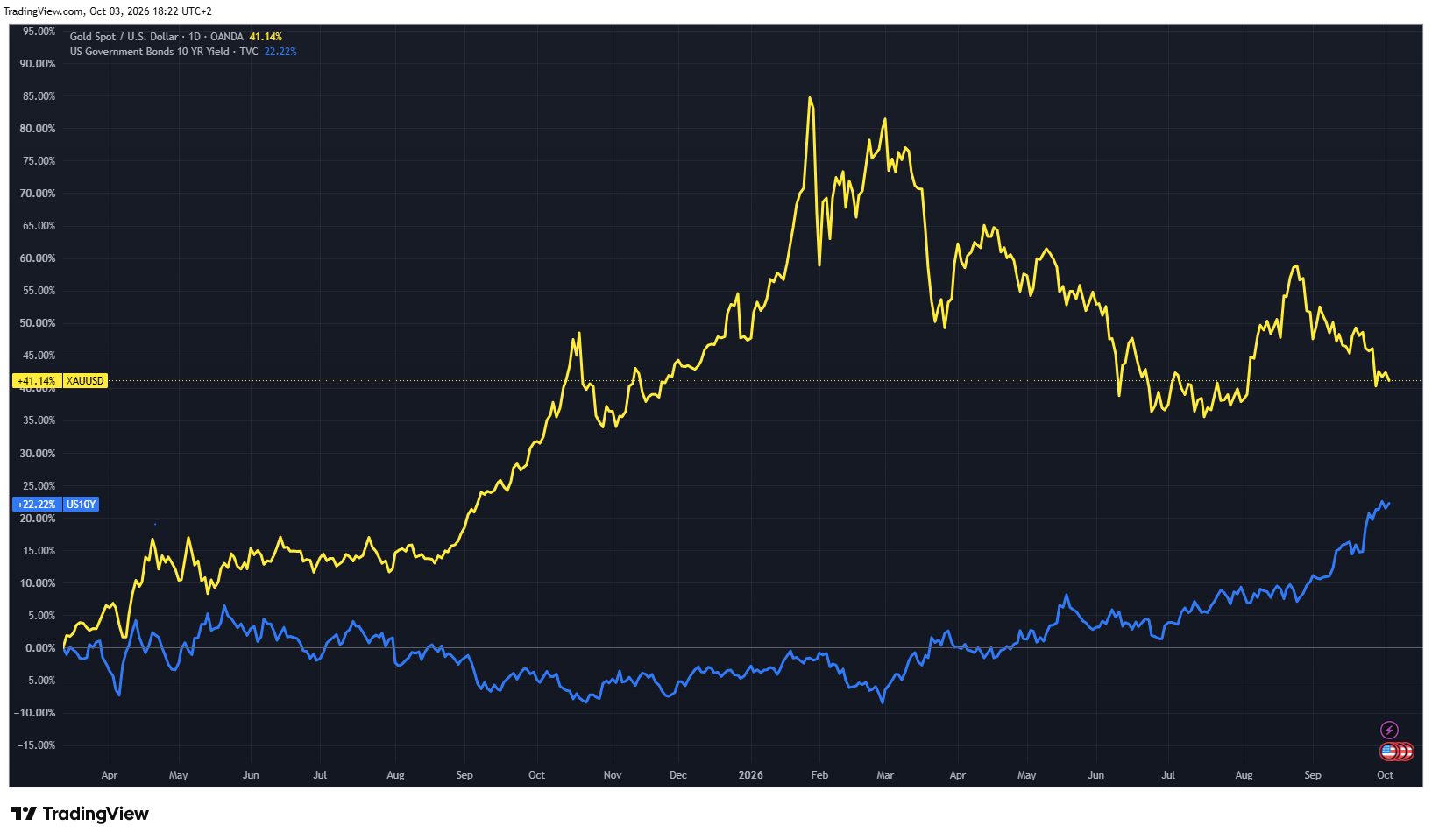
When real yields rise, investors can earn higher inflation-adjusted returns from fixed-income assets, making gold relatively less attractive. Conversely, when real yields fall or turn negative, the opportunity cost of holding gold declines, which tends to support demand and prices.
Real Yields vs Inflation: Why the Market Responds Differently
Inflation data, such as CPI, is often the focus of headlines. However, it is inherently backward-looking and released at fixed intervals. Financial markets, by contrast, operate on expectations.
A high inflation print does not automatically translate into higher gold prices. If markets interpret that inflation as a trigger for tighter monetary policy—such as higher interest rates—nominal yields may rise faster than inflation expectations. This leads to higher real yields, which can exert downward pressure on gold.
This dynamic explains why gold sometimes declines even in periods of elevated inflation. What matters is not inflation in isolation, but how interest rates adjust relative to inflation expectations.
The Role of Monetary Policy and Expectations
Real yields effectively embed expectations about:
Central bank policy
Economic growth
Inflation persistence
For example, during periods of aggressive monetary easing, nominal yields are often suppressed while inflation expectations remain stable or rise. This results in negative real yields, creating a favorable environment for gold.
On the other hand, when central banks signal tightening—particularly in response to inflation—real yields can rise even before inflation itself begins to decline. Markets price these expectations quickly, which is why gold often reacts ahead of official data releases.
Reading the Signal: A Practical Framework
A useful way to track this relationship is to monitor three key indicators:
10-year Treasury yield (nominal rate)
Inflation expectations (breakeven rates)
Real yield (nominal minus inflation expectation)
The trend in real yields often provides a clearer signal than individual data points. A declining real yield environment tends to support gold, while a rising trend creates headwinds.
Importantly, changes in direction often matter more than absolute levels. Markets tend to react to shifts in expectations rather than static conditions.
Why Real Yields Lead Gold Price Movements
There are three key reasons why gold responds more directly to real yields:
1. Opportunity Cost is Immediate
Investors constantly compare real returns across asset classes. As real yields move, capital allocation decisions adjust in real time.
2. Real Yields Are Forward-Looking
Unlike inflation data, real yields reflect expectations about future economic conditions and policy responses.
3. Institutional Positioning
Large investors, including funds and central banks, use real yield dynamics as a key input in portfolio allocation decisions, which amplifies the relationship.
Implications for Investors
For investors, the key takeaway is that gold should not be viewed purely as an inflation hedge. Instead, it is more accurate to see it as a real yield-sensitive asset.
Periods of persistent inflation may not support gold if real yields are rising. Conversely, gold can perform well even with moderate inflation if real yields remain suppressed.
Understanding this distinction helps explain many of the apparent contradictions in gold price behavior and provides a more reliable framework for interpreting market movements.
Conclusion
Inflation headlines tend to dominate market narratives, but they do not always drive price action. Real yields, by capturing the interaction between inflation, interest rates, and policy expectations, offer a more complete and forward-looking signal.
In that sense, inflation may shape the story—but real yields determine how the market reacts.
Comments
Log in or sign up to join the conversation.