

The Gold Price is gaining serious attention from investors preparing for possible economic instability in 2026. Rising inflation, slowing growth, and uncertainty surrounding global financial systems are pushing more investors toward safe-haven assets. Market analysts suggest gold may perform strongly under these conditions as investors typically move toward safer assets during economic uncertainty and currency weakness worldwide.
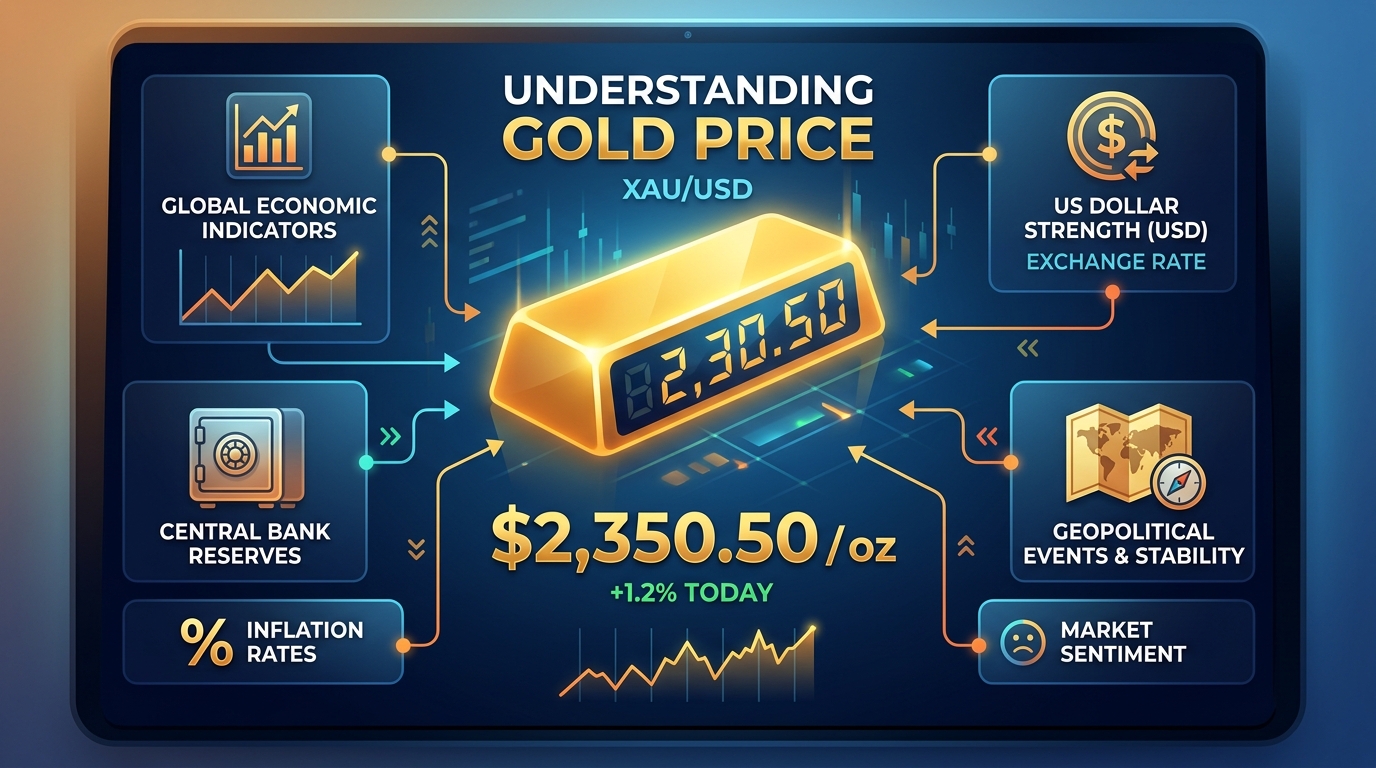
At the same time, central banks continue increasing gold reserves while consumers face higher living costs worldwide. These trends are strengthening long-term demand for precious metals from both institutions and retail investors. Many financial experts now expect gold to remain one of the most closely watched assets in global markets during 2026. If inflation remains stubborn and interest rates begin falling, gold could experience another major rally supported by growing investor confidence and defensive buying activity worldwide.
Why Investors Are Watching Gold Closely
Gold has remained one of the most trusted assets during uncertain economic periods for decades. Investors often move toward precious metals when confidence in stocks, currencies, or financial systems weakens significantly.
Several major concerns are supporting stronger gold demand:
Persistent inflation across developed economies
Increasing government debt levels globally
Weakening purchasing power of paper currencies
Volatile stock market performance
Rising geopolitical tensions worldwide
These conditions are creating strong interest among investors searching for long-term financial protection and portfolio stability.
Central Bank Buying Continues Supporting the Market
Central banks have become powerful drivers of global gold demand in recent years. Nations including China, India, and Turkey continue increasing reserves to strengthen economic security and reduce reliance on foreign currencies.
Unlike short-term traders, central banks typically hold gold reserves for many years. This long-term buying behaviour helps create strong support for the market.
Key reasons for increased reserve accumulation include:
Better protection against economic instability
Reduced dependence on the US dollar
Improved reserve diversification strategies
Long-term financial security planning
Increased confidence during market uncertainty
This ongoing institutional demand may continue supporting the Gold Price throughout the coming years.
Inflation Remains a Major Growth Driver
Inflation continues affecting households and businesses across global markets. Although inflation rates have slowed in certain countries, daily expenses remain significantly higher than before.
Gold historically performs well during inflationary periods because it helps preserve value when currencies lose purchasing power.
Several inflation pressures remain important:
Rising food and grocery costs
Expensive housing markets globally
Increasing healthcare expenses
Higher transportation and fuel prices
Growing energy costs for consumers
As long as inflation concerns continue affecting economies worldwide, investors may continue increasing exposure to precious metals.
Interest Rate Cuts Could Boost Gold Prices
Interest rate decisions play a major role in gold market performance. Higher interest rates generally pressure gold because investors can earn returns from bonds and savings accounts.
However, many analysts believe central banks could reduce rates if economic growth slows sharply. Lower rates often increase gold demand because fixed-income investments become less attractive.
Possible effects of lower interest rates include:
Increased investor demand for gold
Higher market liquidity levels
Reduced currency strength globally
Greater portfolio diversification activity
Stronger safe-haven investment demand
If monetary policy becomes more supportive during 2026, the Gold Price could gain additional upward momentum.
Global Uncertainty Is Increasing Safe-Haven Demand
Economic uncertainty remains one of the strongest reasons investors continue buying gold. Financial markets often become volatile when geopolitical tensions rise or recession fears increase sharply.
Gold usually attracts investors during unstable periods because it is viewed as a reliable defensive asset.
Several global risks continue influencing market behaviour:
International military conflicts
Global trade disagreements
Banking sector instability concerns
Slower economic growth projections
Weak consumer confidence in many regions
These challenges are encouraging investors to seek stronger portfolio protection against unpredictable market conditions.
Retail Investors Are Expanding Gold Investments
Retail participation in gold markets has grown rapidly due to modern investment platforms and easier access to precious metals products. Younger investors are increasingly using gold as part of long-term financial planning strategies.
Popular investment choices now include:
Physical gold coins and bars
Gold exchange-traded funds
Precious metals mutual funds
Mining company shares
Digital gold investment services
This broader participation is helping strengthen global demand while increasing awareness about defensive investing strategies.
Investors searching for live gold market insights and industry analysis can explore bullion vault for updated information and price trends.
Technical Signals Suggest Strong Long-Term Momentum
Technical analysts continue monitoring long-term gold charts closely because several bullish patterns remain active. Strong buying activity and consistent support levels are helping maintain positive market sentiment.
Important technical indicators include:
Stable long-term support zones
Rising institutional trading volume
Positive momentum trends
Strong recoveries after market pullbacks
Consistent investor buying activity
Although temporary corrections remain possible, many analysts still expect stronger long-term performance if economic uncertainty continues increasing globally.
Can Gold Protect Investors During Market Volatility?
Many investors use gold to reduce overall portfolio risk during uncertain periods. Gold often performs differently from stocks and other financial assets during market downturns.
Financial planners frequently recommend diversified strategies that include defensive investments.
Balanced portfolios may contain:
Growth-oriented stocks
Dividend-paying companies
Government or corporate bonds
Precious metal investments
Cash reserves for flexibility
This balanced approach may help investors manage risk more effectively while maintaining long-term financial goals during changing economic conditions worldwide.
Final Thoughts
The Gold Price outlook for 2026 remains positive as inflation concerns, central bank buying, and economic uncertainty continue driving investor demand globally. Many analysts believe precious metals could benefit from weaker currencies, changing interest rate policies, and rising concerns surrounding long-term financial stability worldwide ahead.
Although market volatility may continue creating short-term price swings, gold remains an important defensive asset for many investors. Growing institutional demand and broader retail participation could continue supporting stronger gold market momentum throughout 2026 and beyond steadily.
Comments
Log in or sign up to join the conversation.