

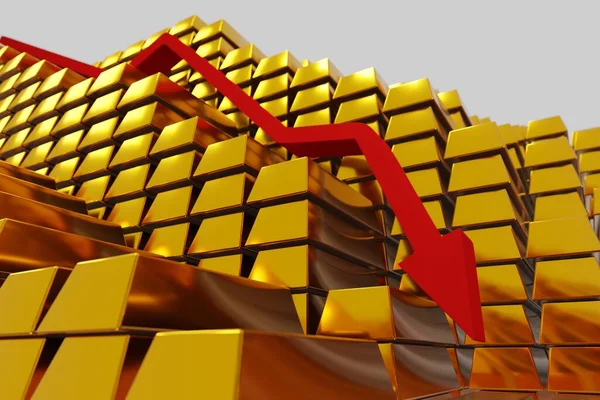
Gold's move below $4,000/oz is significant psychologically, but corrections are often a feature of long-term bull markets. A year ago, gold was trading at around $3,347/oz, meaning that, even at this level, gold is up almost 20% over the past 12 months (it has seen 11.4% average annual growth over the last 25 years). The drivers that have supported gold in recent years, such as central bank buying, geopolitical uncertainty and elevated sovereign debt levels, have not disappeared overnight. Short-term price moves are often driven by factors such as profit-taking, shifts in interest rate expectations, and currency strength, rather than by a fundamental change in gold's long-term investment case.
During the 1970s, gold fell by around 45% between its mid-decade highs and 1976 lows before surging to record levels in 1980 (it started the decade at $35 and hit $850 in January of 1980). During the 2008 financial crisis, it declined by roughly 30% before recovering strongly and reaching record highs in 2011. These episodes demonstrate that sharp corrections have often been part of the journey for long-term gold investors, and the question they need to ask is whether the fundamental reasons for owning gold have materially changed. In my view, they have not.
Comments
Log in or sign up to join the conversation.