


Gold and silver investors have finally gotten some relief last week (and today), as both metals have extended their recovery from the brutal summer selloff.
Gold futures finished the week at $4,615 an ounce, gaining 5.2%, while silver jumped 6.5% to close near $69.70.
The rebound leaves gold well above its recent lows, and silver is continuing its recovery after briefly trading below $60 in June.
The biggest catalyst came Wednesday — and it wasn't the Federal Reserve.
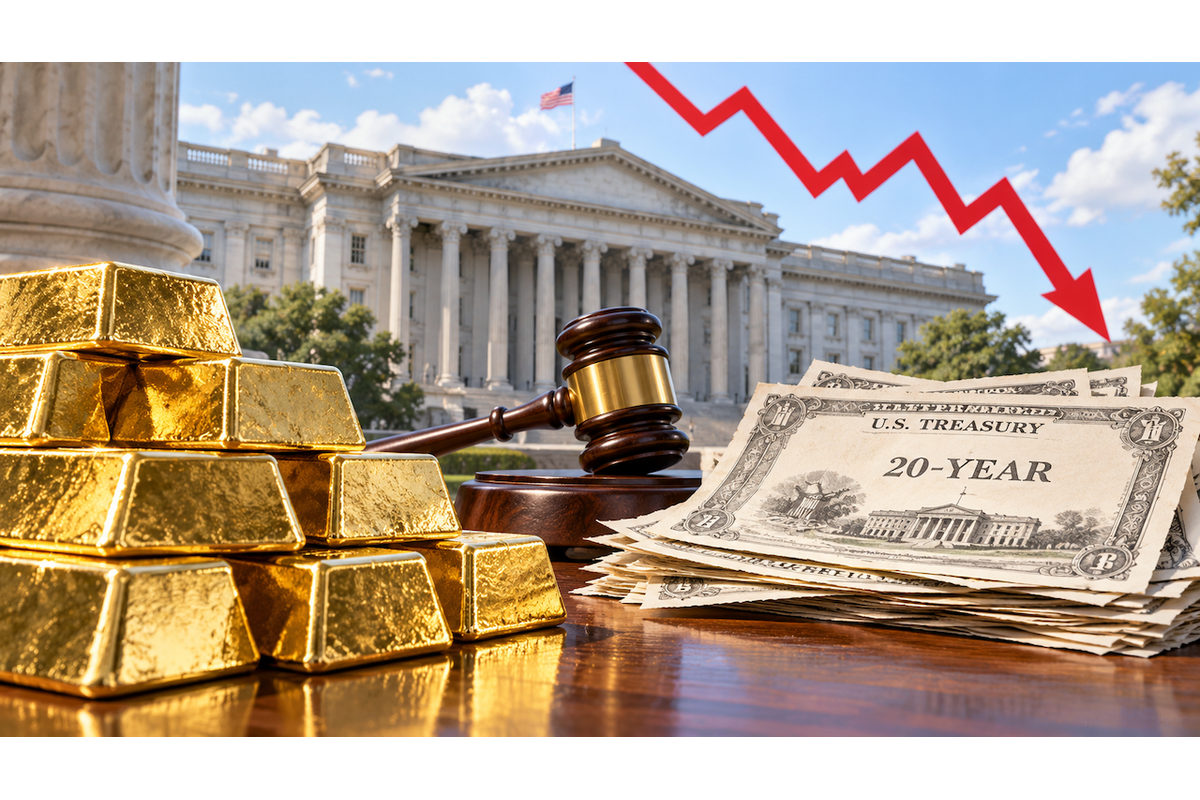
The U.S. Treasury announced plans to double the size of its buyback operations involving longer-term government debt, increasing purchases of 10- to 30-year securities to at least $4 billion per operation.
Bond yields initially dropped, the dollar sold off sharply, and precious metals surged. Gold gained roughly 3% immediately following the announcement.
The significance goes beyond a single day's market move.
Washington is increasingly confronting the problem posed by stubbornly high long-term interest rates and the enormous cost of financing the federal debt.
Treasury officials insist the buybacks are designed to improve market liquidity rather than suppress interest rates. But markets understandably see policymakers becoming more willing to intervene when borrowing costs rise too far.
That raises an intriguing possibility for gold investors: What happens if policymakers increasingly try to suppress bond yields and the pressure instead transfers to the dollar?
The World Gold Council noted precisely this risk last week, arguing that efforts to hold down yields could increasingly force the adjustment through a weaker currency.
That dynamic could be important because last week's gold rally occurred even though the fundamental interest-rate environment remains challenging.
The 10-year Treasury yield finished Friday around 4.74%, while real yields remain historically high.
In other words, gold isn't rallying because interest rates have suddenly become favorable.
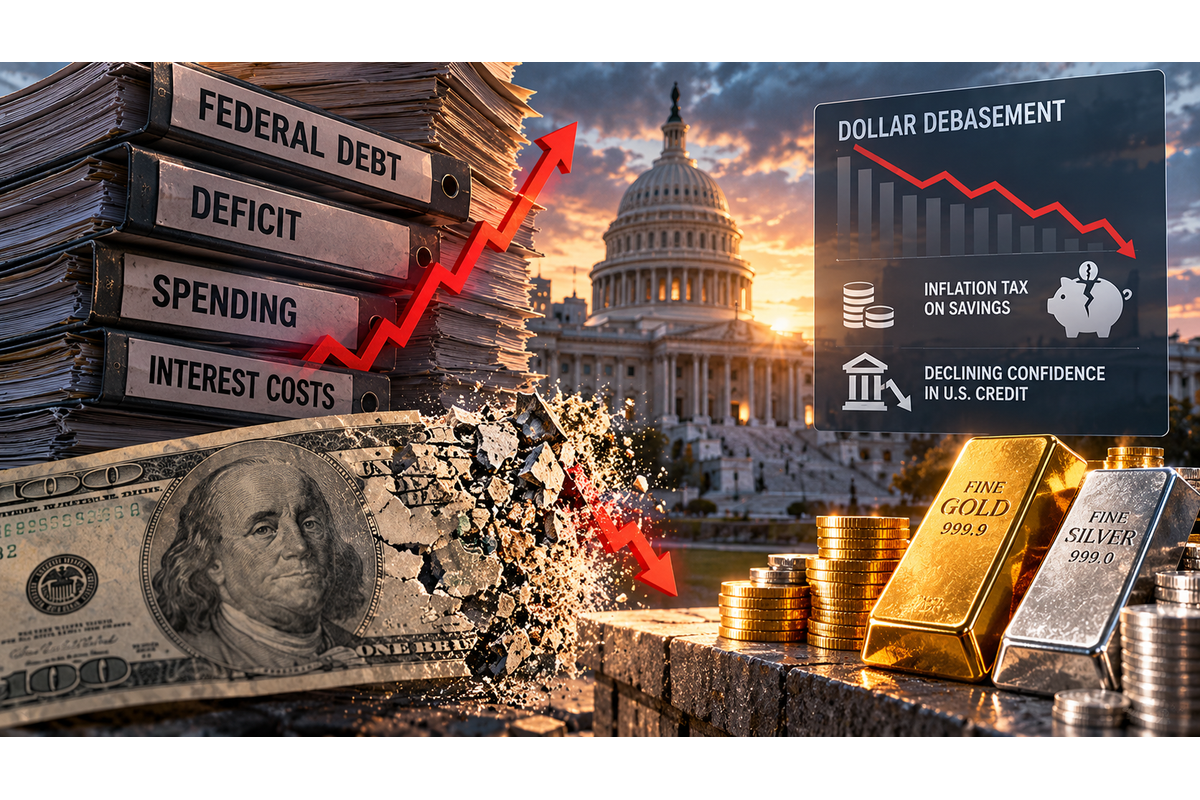
Investors appear increasingly concerned about government debt, fiscal sustainability, and the purchasing power of the dollar itself.
Meanwhile, underlying demand remains constructive. The People's Bank of China added another 20 tonnes of gold during July — its largest monthly purchase since October 2023. China now reports 2,366 tonnes in official reserves, and July marked the central bank's 21st consecutive month of gold purchases.
Technically, the picture has also improved substantially.
Gold has established a pattern of higher highs and higher lows and remains comfortably above its major moving averages.
Momentum is strong.
Silver's recovery is similarly encouraging. After bottoming near $62.65, silver has moved decisively back above its 20- and 40-day moving averages, with momentum indicators turning increasingly bullish.
The next major test comes this week.
Markets will digest July PCE inflation and revised second-quarter GDP Wednesday before Fed Chairman Kevin Warsh delivers his highly anticipated Jackson Hole address Friday morning.
Gold is already pushing higher Monday morning, briefly moving above $4,700 before pulling back somewhat.
If inflation cooperates and Warsh strikes a less hawkish tone, declining real yields could provide another tailwind.
But even if rates remain elevated, last week's action revealed something potentially more important: investors are increasingly questioning how Washington intends to manage its enormous debt burden — and gold is once again being treated as an alternative to the dollar and government debt.
Comments
Log in or sign up to join the conversation.