

Global Cold Rolled Coil Market: The Precision Steel Backbone of Automotive and Infrastructure: Global Cold Rolled Coil Market grows from USD 85.78 Billion (2025) to USD 101.77 Billion by 2031 at 2.89% CAGR. Explore drivers, trends, and structural opportunities.
The Global Cold Rolled Coil (CRC) Market is moving from a traditional flat‑steel segment into a precision material platform that underpins modern automotive engineering, white goods manufacturing, and increasingly low‑carbon construction solutions. Cold rolled coils, produced by processing hot rolled steel at room temperature, deliver superior surface finish, tighter dimensional tolerances, and enhanced mechanical strength, making them indispensable for lightweight body panels, high‑strength structural components, and visually refined appliance exteriors.
As vehicle production, home appliance demand, and energy infrastructure investments grow in key regions, CRC has become a critical link between advanced manufacturing and performance‑driven design in steel‑intensive sectors.
The Global Cold Rolled Coil Market size stood at USD 85.78 Billion in 2025 and is projected to reach USD 101.77 Billion by 2031 at a CAGR of 2.89%. This trajectory is supported by rising automotive output, growing use of electrical and enameling steels in power equipment, and ongoing upgrades in construction materials, even as trade frictions, carbon tariffs, and regulatory complexity temper the pace of global volume expansion.
➝ 𝐑𝐞𝐩𝐨𝐫𝐭 𝐃𝐞𝐬𝐜𝐫𝐢𝐩𝐭𝐢𝐨𝐧 Forecast Period: 2027–2031 Market Size (2025): USD 85.78 Billion CAGR (2026–2031): 2.89% Fastest Growing Segment: Direct Largest Market: North America Market Size (2031): USD 101.77 Billio
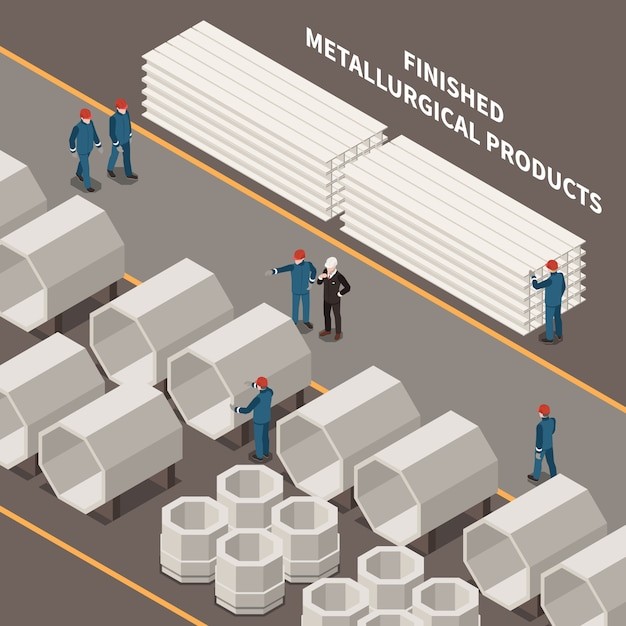
➝ 𝐆𝐋𝐎𝐁𝐀𝐋 𝐂𝐎𝐋𝐃 𝐑𝐎𝐋𝐋𝐄𝐃 𝐂𝐎𝐈𝐋 (𝐂𝐑𝐂) 𝐌𝐀𝐑𝐊𝐄𝐓 𝐁𝐘 𝐒𝐈𝐙𝐄, 𝐒𝐇𝐀𝐑𝐄 & 𝐅𝐎𝐑𝐄𝐂𝐀𝐒𝐓 2031 | 𝐓𝐄𝐂𝐇𝐒𝐂𝐈 𝐑𝐄𝐒𝐄𝐀𝐑𝐂𝐇
➝ 𝐈𝐧𝐝𝐮𝐬𝐭𝐫𝐲 𝐇𝐢𝐠𝐡𝐥𝐢𝐠𝐡𝐭𝐬: 𝐖𝐡𝐲 𝐂𝐨𝐥𝐝 𝐑𝐨𝐥𝐥𝐞𝐝 𝐂𝐨𝐢𝐥 𝐌𝐚𝐭𝐭𝐞𝐫𝐬 𝐀𝐜𝐫𝐨𝐬𝐬 𝐒𝐞𝐜𝐭𝐨𝐫𝐬
Cold Rolled Coil Defined: Process and Performance Cold Rolled Coil is produced by further rolling hot rolled steel at room temperature, which refines the surface, tightens thickness tolerances, and increases strength through work hardening.
This processing route yields flat products with excellent surface quality, dimensional accuracy, and mechanical properties needed for automotive body panels, structural parts, and appliance casings where both performance and aesthetics are critical.
Industrial Backbone: Automotive, Appliances and Construction In automotive manufacturing, CRC is used extensively for outer and inner body panels, reinforcement parts, and lightweight structures as OEMs chase better fuel efficiency and crash performance, including in the growing electric vehicle segment.
White goods producers depend on cold rolled coils for durable, smooth, paint‑ready skins on refrigerators, washing machines, and other appliances, while the construction and infrastructure sector uses CRC in building elements, roofing, and cladding that demand a consistent finish and reliable strength.
Specialty Grades: Enameling and Electrical Steel Specialty CRC grades include enameling steels for cookware and appliance finishes, and grain‑oriented and non‑grain‑oriented electrical steels for transformers, generators, and motors. These high‑value products combine controlled texture and magnetic properties with tight tolerances, making cold rolling a fundamental step in meeting the technical requirements of modern energy and industrial equipment.
➝ 𝐊𝐞𝐲 𝐌𝐚𝐫𝐤𝐞𝐭 𝐃𝐫𝐢𝐯𝐞𝐫𝐬 & 𝐄𝐦𝐞𝐫𝐠𝐢𝐧𝐠 𝐓𝐫𝐞𝐧𝐝𝐬
Driver 1: Automotive Production and Lightweight High‑Strength Steel Rising automotive production and the shift to lightweight, high‑strength steel are core catalysts for the CRC market. Automakers increasingly adopt high‑strength cold rolled steels to reduce vehicle weight, improve fuel economy or EV range, and maintain stringent safety standards. Strong output in major manufacturing hubs and steady finished steel sales volumes across key producers underscore how transport sector resilience translates directly into sustained demand for high‑grade cold rolled products.
Driver 2: Enameling and Electrical Steels for Energy Infrastructure Surging demand for enameling and electrical grades is the second major driver. As countries modernise grids, expand transformer fleets, and invest in renewable energy, grain‑oriented and non‑grain‑oriented cold rolled electrical steels are required for efficient transformers, motors and generators. Large investments to expand electrical steel capacity in growth markets illustrate the strategic importance of CRC‑based products in supporting global energy transition and infrastructure reliability.
Trend 1: Hydrogen‑Based Green Steel and Fossil‑Free CRC The transition to hydrogen‑based green steel production is reshaping the CRC landscape. Producers are investing in hydrogen‑powered direct reduction iron (DRI) and fossil‑free mini‑mills to supply coils with drastically reduced carbon footprints to automotive, construction, and appliance customers with ambitious sustainability goals. Early deliveries of zero‑emission steel and multi‑billion‑euro investments in hydrogen routes signal that low‑carbon CRC is becoming commercially viable for high‑end applications.
Trend 2: Electric Arc Furnace (EAF) Expansion and Scrap‑Based Production A parallel trend is the shift toward electric arc furnace manufacturing, which uses steel scrap and DRI to offer flexible, lower‑emission production of cold rolled feedstock. EAFs allow producers to recycle scrap efficiently, reduce dependence on coking coal, and integrate green inputs, giving them more agility to serve CRC demand while meeting decarbonisation targets. Major capital programmes to convert blast furnace sites into EAF‑based operations highlight the role of this technology in future CRC supply.
➝ 𝐊𝐞𝐲 𝐌𝐚𝐫𝐤𝐞𝐭 𝐂𝐡𝐚𝐥𝐥𝐞𝐧𝐠𝐞𝐬
Challenge 1: Trade Regulations, Carbon Tariffs and Protectionism Escalating trade regulations and protectionist policies are a significant barrier for the Global Cold Rolled Coil Market. Cross‑border carbon tariffs, variable import duties, and anti‑dumping measures raise compliance costs and undermine price competitiveness for exporters. This regulatory fragmentation disrupts supply chains, forces producers to divert capital to administrative requirements, and reduces willingness to invest in new capacity or upgrades, ultimately suppressing global CRC trading volumes.
Challenge 2: Flat Global Steel Demand and Manufacturing Headwinds Recent periods of flat global steel demand, driven by manufacturing headwinds and ongoing trade frictions, have kept overall growth muted. Even as certain end‑use sectors like automotive and energy show resilience, protectionist measures and macroeconomic uncertainty neutralise potential gains, leaving the broader CRC market in a phase of cautious, incremental expansion rather than strong cyclical upswings.
➝ 𝐒𝐞𝐠𝐦𝐞𝐧𝐭𝐚𝐥 𝐈𝐧𝐬𝐢𝐠𝐡𝐭𝐬
Fastest‑Growing Segment: Direct Sales The Direct sales segment is currently the fastest‑growing channel in the Global Cold Rolled Coil Market. Large automotive, infrastructure, and appliance manufacturers increasingly source CRC directly from mills to optimise procurement costs, secure customised thickness and grade specifications, and ensure reliable logistics.
Direct engagement improves traceability, stabilises quality for original equipment manufacturers, and reduces reliance on intermediaries, strengthening strategic relationships between producers and major industrial customers.
End‑Use Mix: Automotive, Construction and Appliances Automotive remains the dominant end‑use, followed closely by construction and infrastructure, where CRC supports structural and aesthetic applications.
Appliances and electronics form another key segment, using cold rolled steel for housings and internal parts, while packaging, electrical and power generation, and various industrial uses provide diversified, steady demand that balances cyclical swings in any one sector.
➝ 𝐑𝐞𝐠𝐢𝐨𝐧𝐚𝐥 𝐈𝐧𝐬𝐢𝐠𝐡𝐭𝐬
North America: Largest Market with Protected Supply Base North America maintains a leading position in the Global Cold Rolled Coil Market, driven by established automotive and construction sectors that require high‑strength, high‑quality flat steel. Regional dominance is reinforced by protective trade policies and regulatory actions that shield domestic producers from unfair imports, creating a more predictable environment for investment in CRC capacity and tailored products. This combination of strong end‑use demand and trade protection anchors North America’s role as the largest market.
Other Regions: Asia Pacific, Europe and Emerging Economies Asia Pacific, led by major steel‑producing and automotive countries, contributes substantial CRC demand for vehicles, appliances, and infrastructure, aided by rising production volumes. Europe focuses heavily on low‑carbon and high‑performance steel, pushing green CRC initiatives into construction and automotive chains. South America, the Middle East & Africa and other emerging economies add incremental growth through infrastructure build‑out and expanding manufacturing bases.
➝ 𝐑𝐞𝐜𝐞𝐧𝐭 𝐃𝐞𝐯𝐞𝐥𝐨𝐩𝐦𝐞𝐧𝐭𝐬
New downstream investments in continuous galvanising and annealing lines are boosting capacity for high‑strength, high‑surface‑quality CRC tailored to automotive and appliance uses. Strategic partnerships around fossil‑free steel coils for low‑carbon building profiles highlight growing commercial adoption of green steel in construction. Service‑centre expansions near EV manufacturing hubs are strengthening supply chains for CRC and electrical steels used in motor cores and structural EV parts, aligning production footprints with emerging mobility clusters.
➝ 𝐂𝐨𝐦𝐩𝐞𝐭𝐢𝐭𝐢𝐯𝐞 𝐀𝐧𝐚𝐥𝐲𝐬𝐢𝐬
Key Market Players ArcelorMittal | Nippon Steel Corporation | POSCO | Tata Steel Limited | JFE Steel Corporation | Baoshan Iron & Steel Co., Ltd. | Shagang Group | JSW Steel Ltd. | Hebei Iron & Steel Group Co., Ltd. | Nucor Corporation
Leading companies are focusing on upgrading cold rolling and coating lines, expanding value‑added products such as advanced high‑strength steels, and integrating green steel routes into CRC portfolios. Many are strengthening direct‑sales networks and regional service centres to support automotive, construction and appliance customers with just‑in‑time delivery, customised grades and technical support, while balancing exposure to global trade risks through diversified regional strategies.
➝ 𝐑𝐞𝐩𝐨𝐫𝐭 𝐒𝐜𝐨𝐩𝐞
Cold Rolled Coil Market, By Sales Channel:
Direct
Indirect
Cold Rolled Coil Market, By End Use:
Automotive
Construction & Infrastructure
Appliances & Electronic
Packaging
Electrical & Power Generation
Others
Cold Rolled Coil Market, By Region:
North America
Europe
Asia Pacific
South America
Middle East & Africa
➝ 𝐅𝐮𝐭𝐮𝐫𝐞 𝐎𝐮𝐭𝐥𝐨𝐨𝐤
The Global Cold Rolled Coil Market is expected to grow steadily through 2031, supported by ongoing automotive production, appliance demand, and investments in electrical steels for energy infrastructure. Decarbonisation will push CRC producers toward hydrogen‑based DRI, EAF routes and certified low‑carbon coils, while complex trade regulations and flat aggregate steel demand will keep expansion measured rather than explosive. Mills that can deliver high‑strength, lightweight, low‑carbon CRC, build strong direct relationships with OEMs, and balance regional exposure will be best positioned to capture incremental value in this precision‑steel segment.
➝ 𝐅𝐀𝐐𝐬: 𝐆𝐥𝐨𝐛𝐚𝐥 𝐂𝐨𝐥𝐝 𝐑𝐨𝐥𝐥𝐞𝐝 𝐂𝐨𝐢𝐥 𝐌𝐚𝐫𝐤𝐞𝐭
What is cold rolled coil and how is it different from hot rolled steel? Cold rolled coil is hot rolled steel that has been further rolled at room temperature to improve surface finish, tighten thickness tolerances, and increase strength, making it more suitable for precision and aesthetic applications than standard hot rolled products.
Which sectors drive the most demand for cold rolled coils? Automotive, construction and infrastructure, appliances and electronics, packaging, and electrical and power generation are the main demand drivers, with automotive and construction typically accounting for the largest shares.
Why is the Direct sales segment the fastest‑growing channel? Direct sales allow large industrial buyers to secure customised grades and thicknesses, reduce costs by cutting out intermediaries, and gain better control over quality and logistics, which is critical for automotive and infrastructure projects.
What are the biggest challenges facing CRC producers today? Key challenges include complex trade regulations, carbon tariffs, and protectionist measures that raise compliance costs and disrupt supply chains, along with flat global steel demand that limits broad‑based volume growth.
How will green steel technologies impact the cold rolled coil market? Hydrogen‑based DRI and EAF routes will enable low‑carbon CRC production, helping mills serve customers with aggressive decarbonisation targets. Over time, green CRC is expected to become a competitive differentiator, especially in automotive, construction, and appliance sectors focused on reducing embedded emissions.
https://www.linkedin.com/pulse/global-cold-rolled-coil-crc-market-size-share-2031-seo-expert-fcssc
Comments
Log in or sign up to join the conversation.