

Global Carbonyl Iron Market: The Soft‑Magnetic Engine of Advanced Electronics and EV Powertrains
According to a TechSci Research report, The Global Carbonyl Iron Market is evolving from a specialised metallurgical niche into a strategic material platform at the heart of high‑frequency electronics, EV power electronics, radar‑absorbing systems, and high‑purity chemical catalysts. Carbonyl iron, produced as ultra‑pure spherical particles, delivers highly stable soft‑magnetic behaviour, making it essential for compact inductors, EMI shielding components, and precision flux concentrators in next‑generation devices.
As 5G infrastructure, EV penetration, and advanced defence programmes expand worldwide, carbonyl iron is becoming a critical bridge between cutting‑edge engineering and reliable performance in demanding environments.
The Global Carbonyl Iron Market size stood at USD 245.67 Million in 2025 and is projected to reach USD 345.93 Million by 2031 at a CAGR of 5.87%. This growth is underpinned by telecom and automotive electrification, rising use in radar‑absorbing materials and chemical catalysts, and emerging nutraceutical applications, while inventory corrections and high processing costs continue to shape utilisation rates and investment decisions across the industry.
➝ 𝐑𝐞𝐩𝐨𝐫𝐭 𝐃𝐞𝐬𝐜𝐫𝐢𝐩𝐭𝐢𝐨𝐧 Forecast Period: 2027–2031 Market Size (2025): USD 245.67 Million CAGR (2026–2031): 5.87% Fastest Growing Segment: Chemical Industry Largest Market: North America Market Size (2031): USD 345.93 Million
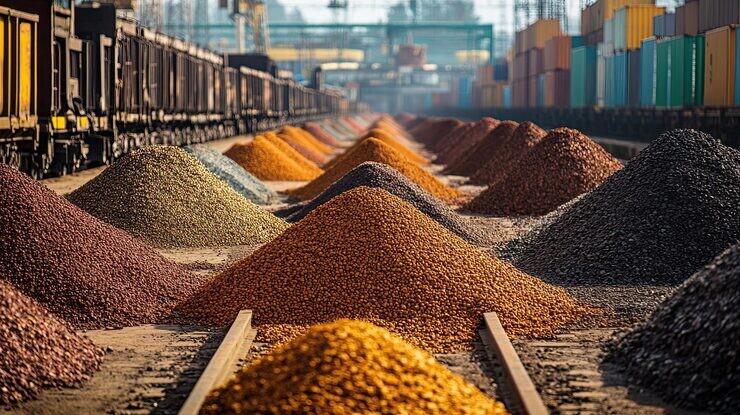
➝ 𝐆𝐋𝐎𝐁𝐀𝐋 𝐂𝐀𝐑𝐁𝐎𝐍𝐘𝐋 𝐈𝐑𝐎𝐍 𝐌𝐀𝐑𝐊𝐄𝐓 𝐁𝐘 𝐒𝐈𝐙𝐄, 𝐒𝐇𝐀𝐑𝐄 & 𝐅𝐎𝐑𝐄𝐂𝐀𝐒𝐓 2031 | 𝐓𝐄𝐂𝐇𝐒𝐂𝐈 𝐑𝐄𝐒𝐄𝐀𝐑𝐂𝐇
➝ 𝐈𝐧𝐝𝐮𝐬𝐭𝐫𝐲 𝐇𝐢𝐠𝐡𝐥𝐢𝐠𝐡𝐭𝐬: 𝐖𝐡𝐲 𝐂𝐚𝐫𝐛𝐨𝐧𝐲𝐥 𝐈𝐫𝐨𝐧 𝐌𝐚𝐭𝐭𝐞𝐫𝐬 𝐀𝐜𝐫𝐨𝐬𝐬 𝐒𝐞𝐜𝐭𝐨𝐫𝐬
Carbonyl Iron Defined: Process and Properties Carbonyl iron is produced by the thermal decomposition of iron pentacarbonyl, yielding ultra‑pure, spherical iron particles with tightly controlled size distribution. This route provides powders with high permeability and low coercivity, resulting in excellent soft‑magnetic performance at high frequencies. These characteristics make carbonyl iron a preferred material for high‑frequency inductors, EMI shielding cores, soft‑magnetic composites, and precision flux concentrators.
Industrial Backbone: Electronics, EVs and Stealth Systems In electronics, carbonyl iron cores are used in inductors, chokes and filters that regulate voltage and suppress interference in 5G base stations, smartphones and high‑speed digital equipment. In EV power electronics, carbonyl iron‑based components support power chokes, DC‑DC converters and onboard chargers where soft‑magnetic materials must handle high currents within compact footprints. Defence platforms incorporate carbonyl iron into radar‑absorbing materials to dissipate electromagnetic waves and reduce radar cross‑section, making it integral to modern stealth technologies.
Nutritional and Chemical Functions: Beyond Metallurgy High‑purity grades of carbonyl iron are used in nutraceuticals and fortified foods as a bioavailable iron source designed to address anaemia and iron deficiency with better tolerability than many traditional ferrous salts. In the chemical industry, carbonyl iron serves as a catalyst and catalyst support in complex organic and petrochemical processes, where its purity and surface properties help improve reaction efficiency and product yields.
➝ 𝐊𝐞𝐲 𝐌𝐚𝐫𝐤𝐞𝐭 𝐃𝐫𝐢𝐯𝐞𝐫𝐬 & 𝐄𝐦𝐞𝐫𝐠𝐢𝐧𝐠 𝐓𝐫𝐞𝐧𝐝𝐬
Driver 1: 5G Telecommunications and High‑Frequency Electronics The rapid expansion of 5G networks and high‑frequency electronic systems is a primary growth engine. Base stations and user devices require high‑frequency inductors and EMI shields that use carbonyl iron cores to minimise eddy‑current losses and maintain signal integrity as data rates rise and architectures densify. This deployment wave keeps demand for soft‑magnetic components structurally strong across telecom and consumer electronics value chains.
Driver 2: Electric Vehicle Power Electronics The shift to electric mobility is reshaping carbonyl iron consumption patterns. EV powertrains depend on power chokes, DC‑DC converters and onboard chargers built around soft‑magnetic cores that manage high currents under space and efficiency constraints. Carbonyl iron‑based composites and MIM‑fabricated flux concentrators deliver the required performance and design flexibility, allowing OEMs and suppliers to meet strict efficiency and packaging targets.
Trend 1: Radar‑Absorbing Materials for Stealth Technology The advancement of radar‑absorbing materials for stealth aircraft, naval vessels and other defence assets is a major trend. Carbonyl iron’s high magnetic permeability and controlled loss characteristics allow RAM composites to absorb and dissip incoming radar energy, reducing signature and improving survivability. Defence modernisation programmes across regions ensure sustained investment in carbonyl‑based stealth materials.
Trend 2: Bioavailable Grades for Nutraceuticals and Fortified Foods High‑purity, bioavailable carbonyl iron grades are increasingly used in supplements and fortified foods. Brands adopt carbonyl iron to create iron‑rich products that minimise gastrointestinal side effects, addressing large population segments affected by anaemia and iron deficiency. These consumer‑health applications open a complementary demand stream beyond traditional industrial uses.
➝ 𝐊𝐞𝐲 𝐌𝐚𝐫𝐤𝐞𝐭 𝐂𝐡𝐚𝐥𝐥𝐞𝐧𝐠𝐞𝐬
Challenge 1: Inventory Corrections and Demand Volatility Inventory corrections in automotive, electronics and powder‑metallurgy sectors cause demand volatility. When downstream manufacturers reduce stock to manage working capital, orders for high‑purity powders like carbonyl iron can fall sharply, given their specialised nature and higher unit cost. These fluctuations disrupt plant utilisation, complicate production planning and push producers toward cautious capacity management.
Challenge 2: High Processing Costs and Energy Intensity Carbonyl iron production is energy‑intensive and carries high fixed overheads. During periods of softer demand, these cost structures weigh heavily on margins and limit appetite for rapid capacity expansion. Combined with broader slowdowns in iron and steel powder demand, this environment encourages consolidation and efficiency‑driven strategies rather than aggressive growth.
➝ 𝐒𝐞𝐠𝐦𝐞𝐧𝐭𝐚𝐥 𝐈𝐧𝐬𝐢𝐠𝐡𝐭𝐬
Fastest‑Growing Segment: Chemical Industry The Chemical Industry segment is the fastest‑growing end‑use category. High‑purity carbonyl iron powders are increasingly used as catalysts and supports in sophisticated organic syntheses and petrochemical processes, where surface area, purity and reactivity strongly influence yields and selectivity. As demand for specialised intermediates rises, chemical producers turn to precise, repeatable catalytic materials, driving greater adoption of carbonyl iron.
Other Key End‑Uses: Powder Metallurgy, MIM and Electronics Powder metallurgy uses carbonyl iron to enhance mechanical and magnetic performance in structural and soft‑magnetic parts. Metal injection molding (MIM) consumes carbonyl powders for intricate net‑shape components required in EVs, consumer electronics and industrial systems. Electronic components—including inductors, chokes, filters and EMI shields—remain a foundational end‑use, relying on carbonyl iron’s soft‑magnetic behaviour for stable high‑frequency performance.
➝ 𝐑𝐞𝐠𝐢𝐨𝐧𝐚𝐥 𝐈𝐧𝐬𝐢𝐠𝐡𝐭𝐬
North America: Largest Market and High‑End Application Hub North America holds the largest share of the market, supported by mature automotive, electronics, defence and nutraceutical industries. Demand for inductive components, radar‑absorbing materials, EV power electronics and high‑purity nutritional additives creates a broad, specification‑driven base. Clear regulatory standards, strong purchasing power and established manufacturing ecosystems further stabilise regional growth.
Emerging Growth in Asia Pacific and Europe Asia Pacific, particularly China, is expanding carbonyl iron use in electronics, EV components and advanced manufacturing as infrastructure and production capacities scale. Europe contributes through high‑performance automotive systems, industrial electronics and defence programmes that require soft‑magnetic and stealth materials. Other regions, including South America and the Middle East & Africa, show gradual growth as their high‑end manufacturing and defence capabilities develop.
➝ 𝐂𝐨𝐦𝐩𝐞𝐭𝐢𝐭𝐢𝐯𝐞 𝐀𝐧𝐚𝐥𝐲𝐬𝐢𝐬
Key Market Players Jiangxi Xinsheng Chemical Co., Ltd. | Atlantic Equipment Engineers, Inc. | American Elements | Epsilon Advanced Materials Pvt. Ltd. | Jiande Yunfeng New Material Co., Ltd. | ACI Alloys, Inc. | Shanghai Park Instrument & Chemical Co., Ltd. | Hansol Chemical Co., Ltd. | Nippon Carbon Co., Ltd. | Shandong Xinhai Mining Technology & Equipment Inc.
Strategic Themes Among Leading Producers Leading companies focus on capacity optimisation, portfolio diversification and advanced quality control. They are expanding high‑purity and ultra‑fine carbonyl iron grades for demanding electronics and EV applications, investing in digital and AI‑enabled particle analysis to reduce rejection rates, and targeting high‑value sectors such as defence, chemical catalysts and nutraceuticals. Strengthened technical service and direct‑sales capabilities help align material design with stringent end‑user specifications and secure long‑term contracts.
➝ 𝐅𝐮𝐭𝐮𝐫𝐞 𝐎𝐮𝐭𝐥𝐨𝐨𝐤
The Global Carbonyl Iron Market is expected to grow steadily through 2031, driven by ongoing 5G rollout, EV electrification, stealth technology investments and high‑purity chemical processes. While short‑term volatility from inventory corrections and high energy costs will persist, underlying demand for soft‑magnetic, ultra‑pure iron powders remains structurally strong. Companies that broaden their carbonyl metallurgy portfolios, embrace digital quality control, manage utilisation carefully and focus on high‑value niches—such as radar‑absorbing composites, EV power electronics, catalysts and nutraceuticals—will be best positioned to capture disproportionate value in the coming decade.
➝ 𝐅𝐀𝐐𝐬: 𝐆𝐥𝐨𝐛𝐚𝐥 𝐂𝐚𝐫𝐛𝐨𝐧𝐲𝐥 𝐈𝐫𝐨𝐧 𝐌𝐚𝐫𝐤𝐞𝐭
Q1. What is carbonyl iron and why is it different from standard iron powder? Carbonyl iron is an ultra‑pure, spherical iron powder made by decomposing iron pentacarbonyl, giving tighter particle‑size control and superior soft‑magnetic properties compared to conventional iron powders.
Q2. Which applications currently drive the most demand for carbonyl iron? Major demand comes from high‑frequency electronics and 5G hardware, EV power electronics, radar‑absorbing stealth materials, powder metallurgy and metal injection molding components, along with growing use in chemical catalysts and nutraceuticals.
Q3. Why is the Chemical Industry the fastest‑growing end‑use segment? The Chemical Industry requires high‑purity, high‑surface‑area catalytic materials for complex reactions; carbonyl iron’s purity and reactivity help improve yields and efficiency, making it increasingly attractive for specialised synthesis and petrochemical processes.
Q4. What are the main challenges that could slow market growth? Key challenges include demand volatility from inventory corrections in downstream sectors and high energy‑intensive processing costs, which pressure margins and discourage rapid capacity expansion during periods of softer overall metal‑powder demand.
Q5. Which regions offer the strongest growth potential through 2031? North America remains the largest and most mature market, while Asia Pacific offers strong growth potential as EV and electronics manufacturing scale; Europe adds significant demand from high‑performance automotive, industrial electronics and defence systems, with other regions gradually expanding as they invest in advanced manufacturing and stealth technologies.
https://www.linkedin.com/pulse/global-carbonyl-iron-market-size-share-forecast-2031-seo-expert-01uec
Comments
Log in or sign up to join the conversation.