

Introduction
According to TechSci Research report, “Gas Meters Market Forecast- Global Industry Size, Share, Trends, Opportunity 2021-2031”, The Global Gas Meters Market will grow from USD 5.61 Billion in 2025 to USD 7.97 Billion by 2031 at a 6.03% CAGR.
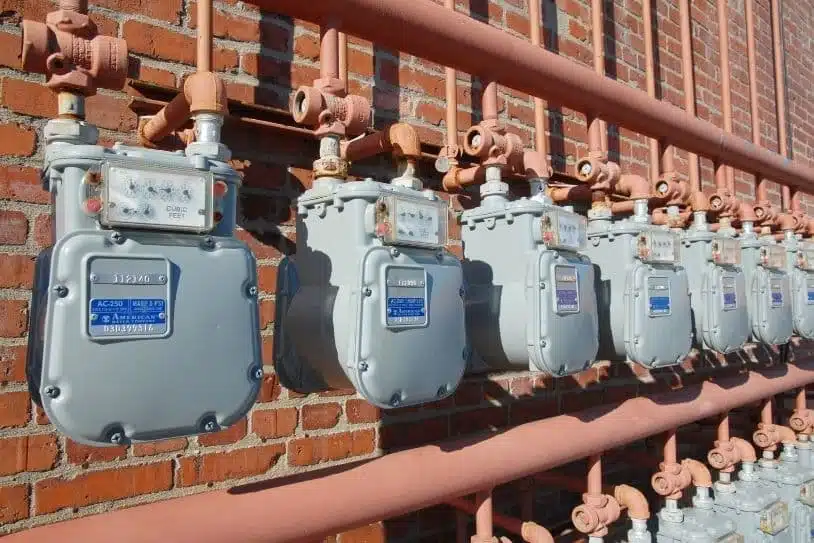
The global energy sector is undergoing a transformative phase characterized by rapid urbanization, increasing demand for energy efficiency, digitalization of utility infrastructure, and growing environmental awareness. Within this evolving landscape, gas metering technology has emerged as a critical component of modern energy management systems. Gas meters play a vital role in accurately measuring natural gas consumption across residential, commercial, and industrial sectors, ensuring transparency, efficient billing, operational optimization, and regulatory compliance.
As governments, utility providers, and consumers increasingly prioritize energy conservation and sustainability, the demand for advanced gas metering solutions continues to grow worldwide. Traditional metering systems are gradually being replaced by intelligent and connected technologies capable of delivering real-time consumption insights, remote monitoring capabilities, predictive maintenance functions, and enhanced safety features.
Request For Sample Copy of Report For More Detailed Market insight: https://www.techsciresearch.com/sample-report.aspx?cid=16263#requestform
Industry Key Highlights
Global Gas Meters Market expected to reach USD 7.97 Billion by 2031.
Market anticipated to grow at a CAGR of 6.03% during the forecast period.
Smart gas meters emerging as the fastest-growing technology segment.
Residential applications continue to dominate overall market demand.
Advanced Metering Infrastructure (AMI) adoption accelerating globally.
Expansion of natural gas distribution networks supporting market growth.
Integration of IoT and artificial intelligence transforming metering operations.
Renewable Natural Gas (RNG) adoption creating new metering requirements.
North America expected to maintain market leadership through 2031.
Utility modernization initiatives driving replacement of aging metering systems.
Key Market Drivers
Expansion of Natural Gas Infrastructure
One of the primary drivers of the global gas meters market is the continuous expansion of natural gas infrastructure worldwide.
Governments and private sector organizations are investing heavily in pipeline networks, storage facilities, distribution systems, and gas supply infrastructure to increase energy accessibility and reliability.
As new regions gain access to natural gas services, utility companies require advanced metering systems to accurately monitor consumption and facilitate efficient billing.
The growth of natural gas distribution networks directly creates opportunities for large-scale gas meter deployment.
Rising Adoption of Smart Gas Meters
Smart gas meters are revolutionizing the utility sector by providing real-time visibility into gas consumption patterns.
Unlike conventional meters, smart meters enable automatic data transmission, remote monitoring, leak detection, demand forecasting, and predictive maintenance capabilities.
Utility providers increasingly recognize the operational and financial benefits associated with smart metering technologies.
The transition toward smart utility networks is expected to remain a major growth driver for the market.
Increasing Focus on Energy Efficiency
Governments worldwide are implementing policies aimed at reducing energy waste and promoting sustainable consumption practices.
Consumers are becoming increasingly conscious of energy usage and actively seeking solutions that provide greater transparency and control over consumption patterns.
Smart gas meters empower users by providing detailed consumption data and energy-saving recommendations.
This growing emphasis on energy efficiency continues to stimulate demand for advanced metering technologies.
Growth of Combined Heat and Power Systems
Combined Heat and Power (CHP) systems are gaining popularity due to their ability to improve energy efficiency while reducing emissions.
These systems utilize natural gas to simultaneously generate electricity and useful thermal energy.
As CHP adoption increases across residential, commercial, and industrial sectors, demand for accurate gas measurement and monitoring solutions also rises.
Gas meters play an essential role in ensuring optimal performance and efficient energy utilization within CHP systems.
Industrial Demand for Natural Gas
Industrial facilities increasingly rely on natural gas as a cleaner and more efficient energy source for manufacturing processes and heavy machinery operations.
The deployment of advanced industrial equipment requires reliable fuel supply monitoring and consumption tracking.
Accurate gas metering systems help industrial users optimize operations, manage costs, and comply with regulatory standards.
Growing industrial consumption of natural gas continues to support market expansion.
Emerging Trends in the Global Gas Meters Market
Integration of Internet of Things (IoT) Technologies
One of the most significant trends shaping the gas meters market is the integration of IoT technologies.
IoT-enabled gas meters facilitate continuous communication between utility providers and consumers.
These systems collect and transmit consumption data in real time, enabling utilities to identify inefficiencies, detect leaks, and improve service quality.
The increasing deployment of IoT-based infrastructure is expected to drive substantial market growth.
Artificial Intelligence and Predictive Analytics
Artificial intelligence is becoming increasingly important in utility management.
AI-powered analytics platforms process vast amounts of metering data to generate valuable insights related to consumption patterns, equipment performance, and maintenance requirements.
Predictive analytics helps utilities anticipate equipment failures, reduce downtime, and optimize operational efficiency.
The adoption of AI technologies is expected to significantly enhance the value proposition of smart gas meters.
Expansion of Advanced Metering Infrastructure (AMI)
AMI solutions are rapidly becoming standard across utility networks worldwide.
Advanced Metering Infrastructure enables two-way communication between meters and utility management systems.
This functionality supports automated billing, outage detection, demand response programs, and customer engagement initiatives.
Utilities are making significant investments in AMI deployments to modernize their operations and improve service delivery.
Growth of Renewable Natural Gas Integration
Renewable Natural Gas (RNG) is gaining traction as an environmentally sustainable alternative to conventional natural gas.
The blending of RNG into existing gas networks requires accurate monitoring and measurement to ensure regulatory compliance and environmental reporting.
Advanced gas metering technologies are playing a critical role in facilitating RNG adoption and supporting sustainability objectives.
Smart City Development Initiatives
Governments around the world are launching smart city projects aimed at enhancing urban infrastructure and resource management.
Gas metering systems are becoming an integral component of these initiatives.
Smart gas meters contribute to efficient energy distribution, improved sustainability, and enhanced utility management within smart city ecosystems.
Competitive Analysis
Honeywell International Inc.
Itron Inc.
Apator SA
Diehl Stiftung & Co. KG
Xylem Inc.
Landis+Gyr Group AG
Badger Meter, Inc.
General Electric
Aclara Technologies LLC
EDMI Limited
Customers can also request for 10% free customization on this report.
Market Challenges
Despite strong growth prospects, several challenges impact the market.
High Initial Installation Costs
Smart metering deployments require significant upfront investments.
Cybersecurity Risks
Connected metering systems face increasing cybersecurity concerns.
Data Privacy Regulations
Utilities must comply with strict data protection requirements.
Infrastructure Integration Complexity
Upgrading legacy utility systems can be technically challenging.
Addressing these challenges will remain essential for long-term market success.
10 Benefits of the Research Report
1. Comprehensive Market Intelligence
Provides detailed insights into market dynamics and growth patterns.
2. Accurate Market Forecasts
Supports strategic planning with reliable future projections.
3. Competitive Benchmarking
Analyzes major players and their competitive positioning.
4. Emerging Trend Identification
Highlights technologies shaping future industry developments.
5. Opportunity Assessment
Identifies high-growth segments and untapped markets.
6. Risk Analysis
Evaluates market challenges and potential barriers.
7. Regional Insights
Provides detailed analysis of regional growth opportunities.
8. Technology Evaluation
Examines innovations transforming gas metering systems.
9. Strategic Decision Support
Helps stakeholders make informed investment decisions.
10. Investment Planning Guidance
Assists organizations in identifying profitable growth opportunities.
Contact US:
Techsci Research LLC
420 Lexington Avenue, Suite 300,
New York, United States- 10170
Tel: +13322586602
Email: [email protected]
Comments
Log in or sign up to join the conversation.