

Knowing when to return to gym after injury can be difficult. You may feel better and want to get back to your normal workouts, but feeling less pain does not always mean your body is ready for full training. Returning too quickly can place unnecessary stress on the injured area and may slow your recovery or lead to another setback. A gradual and well planned return can help you rebuild strength, confidence, and movement quality while reducing the risk of reinjury.
Whether you experienced a sports injury, muscle strain, joint problem, or surgery, your return to exercise should be based on how your body is functioning rather than simply how much time has passed.
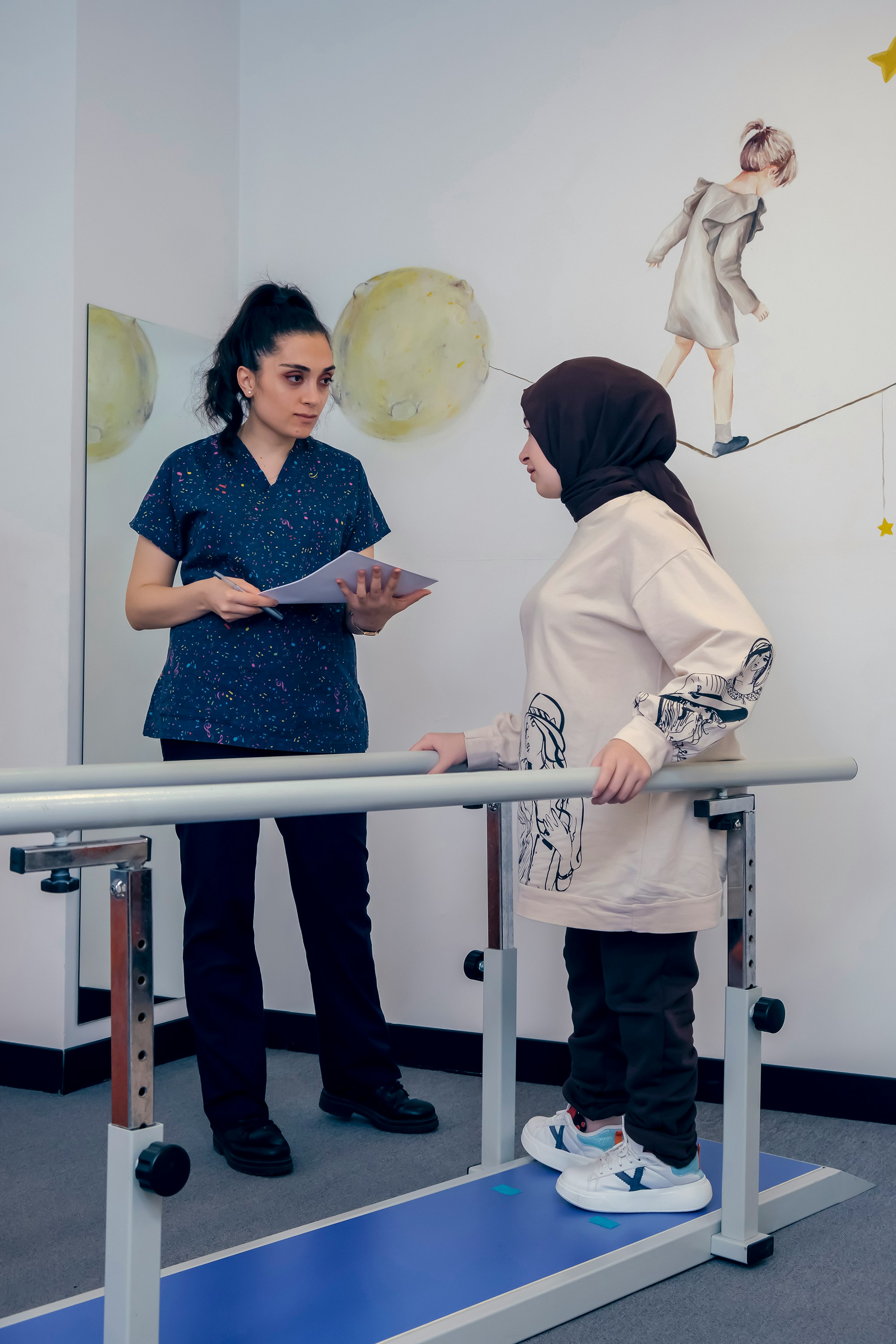
Pain Has Improved, But Is It Really Gone?
One of the first signs that you may be ready to resume training is a significant improvement in your symptoms. However, being pain free during everyday activities does not automatically mean you are ready to return to heavy lifting or intense exercise.
Pay attention to how your body responds to normal movements such as walking, climbing stairs, bending, reaching, or getting up from a chair. If these activities still cause pain, swelling, stiffness, or unusual weakness, it may be too early to return to your previous workout routine.
Some injuries can also produce delayed symptoms. You might feel fine during exercise but experience increased discomfort later that day or the following morning. This is why recovery should be evaluated over time rather than based on one good workout.
You Have Regained Basic Movement
Mobility is another important part of the recovery process. After an injury, you may unconsciously change the way you move to protect the affected area. This can create compensations that place additional stress on other muscles and joints.
Before returning to regular gym training, you should be able to perform basic movements with reasonable control. Depending on the injury, this may include squatting, hinging, pushing, pulling, walking, balancing, or reaching.
You do not necessarily need to have perfect movement before starting exercise again. However, you should be able to move through the necessary range of motion without significant pain or compensation.
Your Strength Is Coming Back
Injuries often cause weakness because of inactivity, reduced training, or protective movement patterns. Even if the pain has disappeared, the affected muscles may not have returned to their previous strength.
For example, someone recovering from a knee injury may feel comfortable walking but still struggle with controlled squatting or single leg movements. Someone recovering from a shoulder injury may have normal daily function but lack the strength needed for pressing or pulling exercises.
A good return to training should gradually rebuild strength instead of immediately returning to your previous weights.
You Can Handle Light Exercise
A useful step before returning to your normal workouts is testing your tolerance with low intensity exercise. This could involve light resistance training, controlled bodyweight movements, walking, cycling, mobility exercises, or other activities appropriate for your injury.
The goal is not to prove how much you can handle. The goal is to see how your body responds.
If light exercise produces significant pain, swelling, instability, or worsening symptoms, stop and seek appropriate professional guidance. If your body responds well, you can gradually increase the difficulty over time.
You Have Clearance When It Is Necessary
For certain injuries, surgeries, or medical conditions, professional clearance is an important part of returning to exercise. Your physician, physical therapist, or other qualified healthcare professional can help determine whether the injured tissue has recovered enough for your intended activity.
This is particularly important after surgery or a significant injury. Your timeline may depend on the type of injury, the structures involved, your recovery progress, and the demands of your normal training.
A trainer can support your return to exercise, but they should not replace medical evaluation when medical care is needed.
Start With Less Than You Think You Can Handle
One of the biggest mistakes people make when they return to gym after injury is trying to pick up exactly where they left off.
Your previous training level is useful information, but it should not determine your starting point after an injury. Your body may need time to rebuild tolerance.
Start with lighter loads, lower volume, slower progression, and exercises that you can perform with good control. As your body adapts, your coach can gradually increase training intensity.
Think of your first few weeks as rebuilding your foundation rather than testing your limits.
Pay Attention to How You Feel After Training
Your response after a workout can tell you a lot about whether your training load is appropriate.
Mild muscle soreness can occur when you resume exercise after time away. However, increasing joint pain, swelling, sharp pain, instability, or symptoms that continue to worsen are reasons to reassess your training.
Keeping track of how you feel during and after workouts can help you and your coach make better decisions about progression.
Work With a Coach Who Understands Injury Recovery
Returning to training after an injury can feel uncertain, especially if you are worried about making the same mistake again. Working with an experienced coach can provide structure and accountability while helping you progress at an appropriate pace.
At Physical Culture Brooklyn, individualized coaching can support clients as they rebuild strength, improve movement, and transition back into regular training. The focus is not simply on getting you back into the gym as quickly as possible. It is about helping you return with better movement, confidence, and a stronger foundation.
An experienced coach can modify exercises, manage training volume, monitor technique, and gradually introduce more demanding movements based on your current abilities.
Make Your Return a Process, Not a Deadline
There is no universal timeline for when someone should return to gym after injury. Two people with similar injuries may recover at different rates.
Instead of asking only, "How many weeks until I can train again?" consider whether you can move comfortably, tolerate light exercise, manage your training load, and progressively rebuild strength.
A smart return to the gym is gradual and intentional. Give your body time to adapt, listen to changes in your symptoms, and get professional guidance when necessary. With the right approach, returning to exercise can become more than a return to your old routine. It can be an opportunity to build better movement habits, stronger foundations, and greater confidence in your body.
Comments
Log in or sign up to join the conversation.