

According to TechSci Research report, “FSRU (Floating Storage and Regasification Unit) Market Size- Global Industry Share, Trends, Competition Forecast & Opportunities, 2031F, The Global FSRU (Floating Storage and Regasification Unit) Market is projected to grow from USD 8.62 Billion in 2025 to USD 13.77 Billion by 2031 at a 8.12% CAGR. Increasing global emphasis on cleaner energy sources, rising LNG imports, and the need for rapidly deployable gas infrastructure continue to strengthen market expansion.
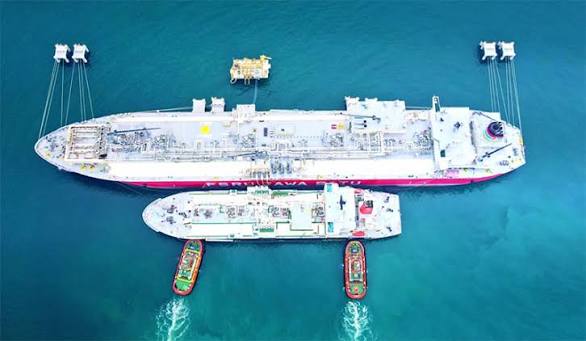
FSRUs have transformed how countries import and distribute natural gas by offering flexible, mobile, and cost-efficient alternatives to traditional onshore LNG terminals. Their ability to be deployed within shorter timelines makes them particularly attractive for emerging economies seeking immediate energy solutions without investing heavily in permanent infrastructure.
Governments worldwide are prioritizing energy diversification, supply security, and decarbonization initiatives. These objectives, combined with growing electricity demand and industrial expansion, are expected to create substantial opportunities for FSRU deployment across developed and emerging economies.
Request For Sample Copy of Report For More Detailed Market insight: https://www.techsciresearch.com/sample-report.aspx?cid=29771#requestform
Global FSRU Market Overview
The growing transition toward lower-carbon energy systems is reshaping the global energy landscape. Natural gas has become an important transitional fuel due to its lower carbon emissions compared to coal and heavy fuel oil. As LNG consumption continues to expand, Floating Storage and Regasification Units have become strategic infrastructure assets that enable countries to import natural gas efficiently without constructing conventional land-based terminals.
Unlike fixed LNG import facilities, FSRUs provide exceptional operational flexibility. These floating terminals can be relocated according to changing market requirements, seasonal demand, or geopolitical developments, making them highly attractive for governments and private energy companies.
Rapid urbanization, industrial development, and expanding electricity generation capacities are further increasing natural gas consumption worldwide. Countries seeking greater energy security are diversifying fuel imports through LNG, positioning FSRUs as an essential component of future gas infrastructure.
Technological innovation continues improving storage capacity, regasification efficiency, safety standards, automation, and environmental performance, ensuring that modern FSRUs remain reliable long-term energy assets.
Key Market Drivers
Growing Global LNG Demand
Worldwide LNG consumption continues expanding due to increasing demand for cleaner electricity generation and industrial fuel. Countries are replacing coal-fired power plants with natural gas facilities to reduce greenhouse gas emissions while maintaining energy reliability.
FSRUs enable rapid LNG imports without requiring years of infrastructure development, making them attractive for countries seeking immediate energy solutions.
Energy Security and Supply Diversification
Energy security has become a major priority following increasing geopolitical uncertainties and disruptions in global energy markets.
Governments are actively diversifying natural gas supply sources by expanding LNG imports, reducing dependence on pipeline networks and single suppliers. FSRUs offer strategic flexibility by allowing countries to receive LNG from multiple international exporters.
Faster Infrastructure Deployment
Traditional LNG import terminals often require several years of planning, permitting, and construction.
FSRUs significantly reduce project implementation timelines by providing ready-to-deploy floating infrastructure capable of supporting immediate LNG imports.
This rapid deployment capability makes FSRUs especially valuable for countries experiencing sudden increases in energy demand.
Cost-Effective Alternative to Onshore Terminals
Constructing permanent LNG receiving terminals requires substantial capital investments, extensive land acquisition, and lengthy environmental approvals.
FSRUs provide comparable functionality while requiring significantly lower upfront investment, making them economically attractive for developing economies and smaller energy markets.
Expanding Industrialization
Rapid industrial growth across Asia, Africa, and Latin America continues increasing demand for reliable natural gas supplies.
Manufacturing, petrochemicals, fertilizers, steel production, and power generation industries increasingly depend on LNG imports supported by floating regasification infrastructure.
Emerging Market Trends
Digitalization of FSRU Operations
Digital technologies are transforming FSRU operations through intelligent monitoring, predictive maintenance, and remote asset management.
Advanced digital platforms improve operational efficiency while reducing maintenance costs and maximizing asset availability.
Artificial Intelligence in Energy Infrastructure
Artificial intelligence is increasingly supporting LNG operations through predictive equipment diagnostics, automated safety monitoring, cargo optimization, and energy efficiency improvements.
AI-powered analytics enable operators to optimize vessel utilization while minimizing operational risks.
Modular Infrastructure Development
Energy companies increasingly prefer modular infrastructure solutions capable of supporting phased capacity expansion.
FSRUs perfectly align with this strategy by providing scalable LNG import capacity without requiring permanent infrastructure commitments.
Carbon Reduction Initiatives
Governments worldwide continue implementing carbon reduction strategies that encourage greater utilization of natural gas.
Although renewable energy deployment continues expanding, LNG remains an important transitional fuel capable of supporting reliable electricity generation while reducing carbon intensity.
This ongoing transition significantly strengthens long-term FSRU demand.
Integration with Renewable Energy
Several countries are integrating LNG infrastructure with renewable energy systems to improve grid stability.
Natural gas-fired power plants supplied through FSRUs provide backup generation during periods of low renewable energy output, ensuring reliable electricity supply.
Technology Advancements
Continuous technological innovation remains one of the strongest growth factors for the global FSRU industry.
Modern regasification technologies improve thermal efficiency while reducing environmental impact. Enhanced insulation systems minimize boil-off gas losses, improving overall operational economics.
Automation technologies simplify vessel monitoring through centralized digital control systems capable of managing cargo operations, safety systems, equipment performance, and maintenance scheduling.
Advanced cybersecurity solutions protect increasingly connected operational technologies against evolving cyber threats.
Future developments are expected to include greater automation, digital twins, predictive analytics, autonomous inspection systems, and AI-enabled operational optimization.
Market Challenges
Volatility in LNG Prices
Global LNG prices remain influenced by geopolitical developments, seasonal demand fluctuations, weather conditions, and supply chain disruptions.
Price volatility can influence investment decisions regarding new LNG import infrastructure.
Environmental Regulations
Although LNG is cleaner than coal, environmental regulations continue evolving toward stricter emissions standards.
Operators must continuously invest in cleaner technologies and improved environmental performance to maintain regulatory compliance.
Infrastructure Financing
Large-scale FSRU projects require significant financial investments despite being less expensive than permanent LNG terminals.
Securing long-term financing remains an important consideration for project developers.
Growth Opportunities
Several emerging opportunities are expected to support sustained market growth.
Developing economies continue expanding natural gas infrastructure to improve electricity access and industrial competitiveness.
Island nations and coastal regions lacking pipeline connectivity represent highly attractive markets for floating LNG infrastructure.
Growing hydrogen production initiatives may also create future opportunities for integrating LNG infrastructure with alternative clean energy systems.
Public-private partnerships, international energy investments, and cross-border LNG trade continue expanding opportunities for FSRU deployment worldwide.
Competitive Analysis
Golar LNG Limited
Excelerate Energy, Inc.
Höegh LNG Holdings Ltd.
BW LNG AS
Mitsui O.S.K. Lines, Ltd.
Kawasaki Kisen Kaisha, Ltd.
Korea Gas Corporation
Qatar Gas Transport Company Limited
New Fortress Energy Inc.
TotalEnergies SE
Customers can also request for 10% free customization on this report.
Regional Insights
Asia Pacific continues emerging as the fastest-growing regional market due to increasing electricity demand, expanding industrialization, and accelerating LNG imports.
Countries including India, China, Vietnam, Bangladesh, and the Philippines continue investing in floating LNG infrastructure to strengthen energy security while supporting cleaner energy transitions.
Europe also represents a significant growth market as countries diversify gas import sources and strengthen supply resilience.
Meanwhile, Africa, the Middle East, and South America continue presenting attractive long-term opportunities supported by expanding energy infrastructure investments.
Future Outlook
The future of the Global FSRU Market appears highly promising as LNG continues playing a central role in global energy diversification.
Growing investments in energy security, infrastructure modernization, cleaner fuels, and flexible import solutions will continue driving market expansion throughout the forecast period.
Technological innovation—including artificial intelligence, automation, digital asset management, advanced regasification technologies, and environmentally efficient vessel designs—will further enhance operational performance and commercial viability.
Increasing collaboration between governments, energy companies, infrastructure developers, and financial institutions is expected to accelerate new project development worldwide.
As countries continue balancing energy affordability, sustainability, and security, Floating Storage and Regasification Units will remain an essential component of the global LNG supply chain.
10 Benefits of the Research Report
Delivers detailed insights into current and future market dynamics.
Identifies major growth drivers influencing investment decisions.
Evaluates emerging technology trends transforming the FSRU industry.
Provides comprehensive regional market analysis.
Examines evolving competitive strategies among leading companies.
Highlights promising investment opportunities across global markets.
Assesses challenges influencing future industry development.
Supports strategic business planning through actionable market intelligence.
Helps stakeholders identify high-growth application and regional segments.
Enables informed decision-making with long-term market forecasts and industry outlook.
Contact US:
Techsci Research LLC
420 Lexington Avenue, Suite 300,
New York, United States- 10170
Tel: +13322586602
Email: [email protected]
Web: https://www.techsciresearch.com/
Comments
Log in or sign up to join the conversation.