

Introduction
According to TechSci Research report, “Foldable Smartphones Market Growth – Global Industry Size, Share, Trends, Competition Forecast & Opportunities, 2031F”, The Global Foldable Smartphones Market will grow from USD 28.19 Billion in 2025 to USD 65.31 Billion by 2031 at a 15.03% CAGR.
Foldable smartphones have evolved considerably from their early-generation designs. Improvements in flexible displays, hinge engineering, device materials, battery efficiency, processors, and software optimization are helping manufacturers overcome several limitations associated with the initial generation of foldable devices.
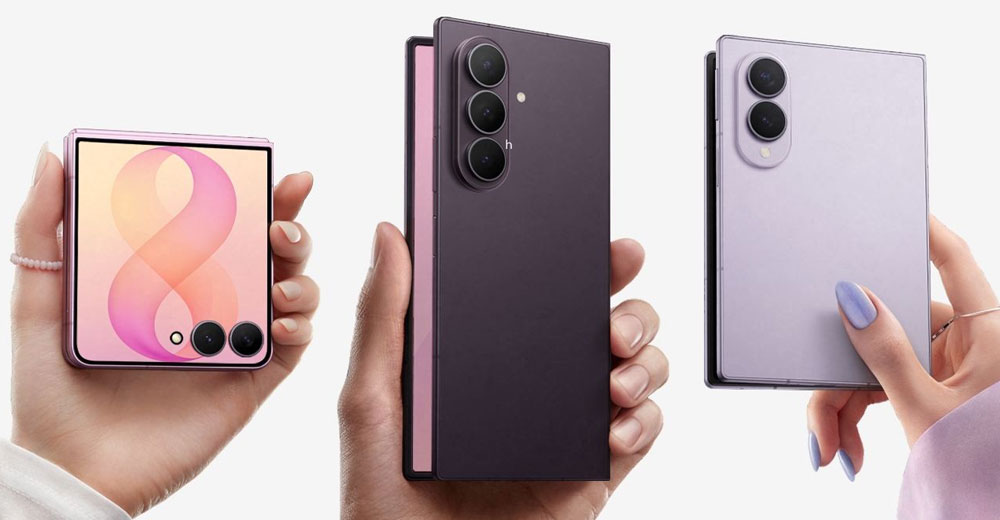
One of the most important advancements has been the adoption of ultra-thin glass (UTG). Earlier flexible smartphones relied heavily on polymer-based display materials that could be more susceptible to visible creasing, scratches, and damage. UTG technology offers improved rigidity, clarity, and scratch resistance while maintaining the flexibility required for repeated folding.
At the same time, manufacturers are developing more sophisticated hinge architectures, thinner OLED panels, high-refresh-rate displays, and lightweight structural materials. These developments are making foldable smartphones more practical for everyday consumers. As the technology matures and production costs gradually improve, foldable devices are moving from niche premium products toward a broader category within the global smartphone industry.
Industry Key Highlights
The Global Foldable Smartphones Market is expected to increase from USD 28.19 billion in 2025 to USD 65.31 billion by 2031.
The market is projected to grow at a 15.03% CAGR between 2025 and 2031.
Inward Fold held the largest market share based on mode in 2024.
Asia-Pacific is the fastest-growing regional market.
Ultra-thin glass is improving foldable display durability, clarity, and scratch resistance.
Adaptive refresh rates reaching up to 120Hz are enhancing gaming, video, and scrolling experiences.
Advanced hinge mechanisms are improving folding reliability and reducing mechanical wear.
Water- and dust-resistant designs are addressing important consumer concerns.
5G connectivity, powerful processors, multitasking features, and optimized foldable interfaces are increasing device functionality.
Major smartphone and technology companies are investing in foldable hardware, display technology, software, and ecosystem development.
Request For Sample Copy of Report For More Detailed Market insight
Main Drivers
Advancements in Flexible Display Technology
Display innovation remains one of the strongest forces shaping the foldable smartphones market. The transition toward ultra-thin glass has enabled manufacturers to create more refined folding displays without compromising flexibility.
Modern OLED panels are becoming thinner, brighter, and more power efficient. Improvements in color reproduction and display brightness are also making foldable smartphones increasingly suitable for gaming, streaming, photography, productivity, and other visually demanding applications.
High-refresh-rate displays represent another important development. Many newer foldable smartphones incorporate adaptive refresh rates of up to 120Hz, delivering smoother animations, scrolling, gaming, and overall interaction.
Improved Hinge Engineering
The hinge is fundamental to the reliability of a foldable smartphone because it controls repeated opening and closing of the display. Manufacturers are therefore investing heavily in hinge mechanisms capable of providing precise movement while reducing mechanical stress.
Multi-gear hinge architectures allow manufacturers to better control the folding motion and distribute mechanical forces. Newer designs are also being engineered to reduce gaps, improve device thickness, and enhance resistance to long-term wear.
The introduction of stronger materials, including carbon-fiber-reinforced components, is helping manufacturers develop lighter structures without sacrificing durability.
Growing Demand for Premium Smartphones
Consumers are increasingly looking for smartphones that provide capabilities beyond conventional slab-style designs. Foldable smartphones offer a combination of compact portability and expanded screen real estate, making them attractive to professionals, technology enthusiasts, gamers, and consumers seeking premium devices.
When unfolded, many models provide a tablet-like viewing or multitasking experience while retaining a more compact form when closed. This flexibility creates a distinct value proposition within the premium smartphone segment.
Expansion of 5G Connectivity
The rapid expansion of 5G networks is strengthening demand for high-performance smartphones capable of handling bandwidth-intensive applications. Foldable devices are increasingly being equipped with advanced chipsets and 5G connectivity, enabling faster downloads, cloud-based applications, high-quality streaming, online gaming, and connected productivity experiences.
The combination of high-speed connectivity and larger foldable displays makes these devices particularly suitable for entertainment and mobile productivity.
Increasing Focus on Durability
Durability has historically been one of the major barriers to wider foldable smartphone adoption. Manufacturers are addressing this challenge through stronger display materials, redesigned hinges, protective structures, and water- and dust-resistant construction.
As reliability improves, consumers may become more comfortable using foldable smartphones as everyday primary devices rather than treating them as experimental premium products.
Emerging Trends
Rise of Inward-Folding Designs
The Inward Fold segment held the largest market share in 2024. Its popularity is closely associated with the additional protection provided to the flexible display when the smartphone is closed.
Inward-folding designs place the main display inside the folded structure, helping protect it from direct exposure to scratches and external impact. Manufacturers are combining this design with UTG panels, improved hinges, high-refresh-rate OLED technology, and increasingly sophisticated software.
Seamless Foldable Software Experiences
Hardware improvements alone are not sufficient to create a successful foldable ecosystem. Software developers and smartphone manufacturers are increasingly optimizing applications for different screen configurations.
Features such as app continuity allow applications to transition smoothly between folded and unfolded states. Multi-window functionality, split-screen modes, floating applications, and enhanced multitasking are turning foldable smartphones into more versatile productivity devices.
Better Water and Dust Resistance
Water and dust resistance is becoming increasingly important as manufacturers attempt to remove one of the key limitations associated with earlier foldable products. Improved sealing techniques and structural engineering are enabling more robust designs.
Greater environmental protection can make foldable smartphones more suitable for everyday use and reduce consumer concerns about maintenance and reliability.
Lighter and Thinner Devices
Foldable smartphones initially faced criticism for their weight and thickness compared with conventional smartphones. Manufacturers are responding with thinner OLED displays, lightweight structural materials, redesigned hinges, and compact internal components.
The use of advanced materials such as carbon-fiber-reinforced hinge components can contribute to improved strength while helping reduce overall device weight.
Growing Foldable Ecosystems
The foldable smartphone ecosystem is expanding beyond hardware. Smartphone manufacturers are increasingly working with software developers to improve application compatibility and ensure that popular applications can take advantage of larger unfolded displays.
This ecosystem development can increase the practical value of foldable devices and support wider consumer adoption.
Real-World Use Cases
Mobile Productivity
Foldable smartphones can provide larger displays for email, document editing, video conferencing, spreadsheets, and multitasking. Professionals can work across multiple applications without carrying a separate tablet.
Gaming and Entertainment
Larger unfolded screens provide an immersive environment for mobile gaming, video streaming, and other entertainment applications. High-refresh-rate displays further improve responsiveness and visual smoothness.
Content Consumption
Foldable designs can offer a larger viewing area while remaining compact when closed. This makes them attractive for consumers who frequently watch videos, browse websites, read digital content, or use social media.
Business and Professional Applications
Professionals can benefit from split-screen functionality, allowing communication and productivity applications to operate simultaneously. This can be particularly useful for sales professionals, executives, consultants, and mobile workers.
Premium Consumer Electronics
Foldable smartphones also serve as a key differentiator within the premium smartphone segment. Their distinctive form factors allow brands to create flagship products that combine advanced hardware with innovative industrial design.
Competitive Analysis
Samsung Electronics Co. Ltd.
Huawei Technologies Co. Ltd.
Lenovo Group Limited
Microsoft Corporation
Sony Corporation
Xiaomi Corporation
Apple Inc.
Vivo Mobile Communication Co., Ltd.
LG Electronics Inc.
Oppo Co. Ltd.
Customers can also request 10% free customization in this report.
Segmentation
The Global Foldable Smartphones Market can be segmented based on Display Panel Type, Mode, Distribution Channel, Region, and Competition.
By Display Panel Type
Flip
Fold
The Flip and Fold categories serve different consumer requirements. Flip-style devices emphasize compactness and portability, while larger fold-oriented designs provide an expanded display suitable for multitasking, productivity, and entertainment.
By Mode
Inward Fold
Outward Fold
The Inward Fold segment held the largest market share in 2024. Its combination of display protection, improved durability, large unfolded screens, and advanced multitasking capabilities has supported its market position.
By Distribution Channel
Online
Offline
Online channels are gaining importance because consumers can compare specifications, prices, features, and reviews across multiple products. Offline retail continues to play an important role because customers often prefer physically experiencing the hinge mechanism, display quality, size, and overall design before purchasing a premium foldable smartphone.
By Region
North America
Europe
Asia-Pacific
Middle East & Africa
South America
Asia-Pacific is the fastest-growing region in the Global Foldable Smartphones Market. China, South Korea, and India represent important markets due to strong smartphone demand, expanding 5G infrastructure, growing disposable incomes, and increasing consumer interest in advanced mobile technology.
China benefits from a large technology-oriented consumer base and a strong smartphone manufacturing ecosystem. South Korea has a major role in foldable OLED and smartphone technology development, while India's growing middle class, expanding smartphone penetration, and developing digital ecosystem create additional opportunities.
The region's expanding e-commerce infrastructure is also improving consumer access to premium smartphones. Partnerships between telecommunications providers and device manufacturers, including bundled 5G offerings, can further support adoption.
By Competition
Competition within the market is shaped by product innovation, technology differentiation, pricing strategies, brand positioning, manufacturing capabilities, and ecosystem development. Companies are increasingly focusing on improving durability and reducing production costs to make foldable devices accessible to a broader consumer base.
Frequently Asked Questions
1. What is the projected size of the Global Foldable Smartphones Market by 2031?
The Global Foldable Smartphones Market is projected to reach USD 65.31 billion by 2031, increasing from USD 28.19 billion in 2025.
2. What is the expected CAGR of the Foldable Smartphones Market?
The market is expected to register a 15.03% CAGR during the forecast period from 2025 to 2031.
3. Which foldable smartphone mode held the largest market share in 2024?
The Inward Fold segment held the largest market share in 2024, supported by improved display protection, advanced hinge technology, durability, and strong consumer interest in premium multifunctional smartphones.
4. Which region is expected to grow fastest in the Foldable Smartphones Market?
Asia-Pacific is the fastest-growing regional market, supported by increasing smartphone adoption, rapid 5G deployment, technological innovation, rising disposable incomes, and strong investment from leading smartphone and display manufacturers.
Conclusion
The Global Foldable Smartphones Market is moving toward a new stage of technological maturity, supported by improvements in flexible displays, hinge engineering, software integration, connectivity, and lightweight materials. The market is projected to grow from USD 28.19 billion in 2025 to USD 65.31 billion by 2031, reflecting a 15.03% CAGR.
The growing adoption of ultra-thin glass, 120Hz adaptive displays, improved hinge mechanisms, water and dust resistance, and foldable-optimized software is helping address earlier consumer concerns. Meanwhile, increasing demand for premium smartphones, multitasking capabilities, mobile entertainment, and 5G-enabled experiences is creating new opportunities.
With Inward Fold devices maintaining a strong market position and Asia-Pacific emerging as the fastest-growing region, continued innovation and greater affordability are expected to play an important role in the next phase of foldable smartphone adoption.
Contact US:
Techsci Research LLC
420 Lexington Avenue, Suite 300,
New York, United States- 10170
Tel: +13322586602
Email: [email protected]
Comments
Log in or sign up to join the conversation.