

The Global Fitness App Market is entering a dynamic phase of expansion as consumers increasingly embrace digital technologies to improve their health, fitness, and overall well-being. Growing awareness regarding preventive healthcare, rising smartphone penetration, the popularity of wearable fitness devices, and continuous advancements in artificial intelligence are reshaping how individuals approach physical fitness. Fitness applications have evolved from simple workout trackers into comprehensive digital wellness platforms that offer personalized exercise programs, nutrition guidance, sleep monitoring, mental wellness support, and real-time health analytics.
According to TechSci Research report, “Global Fitness App Market - Industry Size, Share, Trends, Competition Forecast & Opportunities, 2031F", The Global Fitness App Market will grow from USD 2.07 Billion in 2025 to USD 5.02 Billion by 2031 at a 15.91% CAGR.
Unlike traditional fitness centers that require fixed schedules and physical presence, fitness apps allow users to exercise anytime and anywhere. Whether individuals seek weight management, strength training, yoga sessions, meditation, or disease management, modern fitness applications deliver customized experiences tailored to personal goals, making them an indispensable part of today's health-conscious lifestyle.
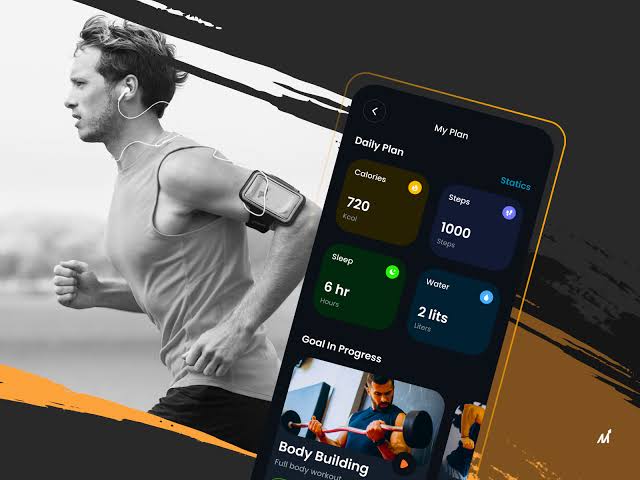
Industry Key Highlights
Global Fitness App Market projected to reach USD 5.02 Billion by 2031.
Market expected to expand at a 15.91% CAGR during the forecast period.
Growing adoption of corporate wellness initiatives is creating substantial growth opportunities.
Workout & Exercise Apps remain the largest application segment globally.
Artificial Intelligence and Machine Learning are transforming personalized fitness experiences.
Asia-Pacific is emerging as the fastest-growing regional market.
Rising wearable device adoption is strengthening app engagement and user retention.
Subscription-based business models continue to generate recurring revenues.
Digital health ecosystems are becoming increasingly interconnected.
Strategic partnerships between healthcare providers, fitness brands, and technology companies are accelerating market innovation.
Request For Sample Copy of Report For More Detailed Market insight: https://www.techsciresearch.com/sample-report.aspx?cid=18925#requestform
Market Overview
The global fitness industry has undergone a remarkable digital transformation over the past decade. Mobile applications have become central to this evolution by enabling users to access professional fitness guidance without geographical limitations. Today's consumers expect more than exercise routines; they seek integrated wellness platforms capable of tracking physical activity, monitoring nutrition, analyzing sleep quality, measuring stress levels, and providing motivational coaching.
Growing awareness regarding lifestyle diseases such as obesity, diabetes, hypertension, and cardiovascular disorders has significantly increased demand for preventive healthcare solutions. Consumers increasingly recognize regular physical activity as an essential component of maintaining long-term health, driving widespread adoption of digital fitness platforms.
Moreover, continuous improvements in mobile connectivity, cloud computing, artificial intelligence, and wearable technologies have enabled fitness applications to deliver highly personalized experiences that were previously unavailable. These technological developments continue to redefine customer expectations while creating new revenue opportunities for market participants.
Key Market Drivers
Growing Corporate Wellness Programs
Corporate wellness initiatives have become one of the strongest growth drivers for the global fitness app market. Organizations across industries are increasingly investing in employee health programs to improve workforce productivity, reduce healthcare expenses, minimize absenteeism, and enhance employee satisfaction.
Fitness applications provide employers with scalable wellness solutions that can be implemented regardless of workforce size or geographical distribution. Employees gain access to customized workout plans, health assessments, nutrition guidance, mindfulness exercises, and virtual wellness challenges through a single digital platform.
The rise of hybrid and remote working models has further accelerated corporate adoption. Employers now require digital wellness solutions capable of engaging employees outside conventional office environments. Fitness apps successfully bridge this gap by enabling employees to participate in wellness initiatives regardless of location.
Additionally, advanced analytics offered by fitness platforms allow organizations to evaluate employee participation rates, engagement levels, and wellness outcomes, enabling continuous optimization of corporate health programs.
Rising Health Consciousness
Consumers worldwide are becoming increasingly aware of the importance of preventive healthcare. Growing incidences of obesity, diabetes, cardiovascular diseases, and stress-related disorders have motivated individuals to adopt healthier lifestyles.
Fitness apps provide accessible and affordable alternatives to traditional gym memberships while offering personalized guidance suited to varying fitness levels. As more individuals prioritize wellness, demand for digital fitness solutions continues to accelerate.
Government awareness campaigns promoting healthy living and preventive healthcare further support long-term market expansion.
Rapid Smartphone Penetration
The widespread availability of affordable smartphones has significantly expanded the addressable market for fitness applications. High-speed mobile internet and improved digital infrastructure enable users to access workout videos, live coaching sessions, nutrition tracking, and performance analytics without interruption.
Emerging economies are witnessing particularly strong smartphone adoption, creating substantial opportunities for app developers seeking new customer bases.
Integration with Wearable Devices
Smartwatches, fitness bands, heart rate monitors, and smart scales have become increasingly popular among consumers seeking real-time health monitoring.
Fitness apps now synchronize seamlessly with wearable devices, enabling continuous tracking of:
Daily activity
Heart rate
Calories burned
Sleep quality
Blood oxygen levels
Exercise intensity
Step count
This integration enhances user engagement while providing valuable health insights that encourage long-term app usage.
Emerging Market Trends
Artificial Intelligence is Revolutionizing Personalized Fitness
Artificial Intelligence has become one of the most influential technologies shaping the future of fitness applications. Modern platforms utilize AI algorithms to analyze user behavior, fitness levels, exercise history, body composition, and personal objectives before generating customized workout plans.
AI-powered virtual trainers can adjust exercise intensity, recommend recovery periods, monitor progress, and provide real-time coaching. These intelligent recommendations significantly improve user satisfaction while increasing long-term engagement.
Future developments may include predictive health analytics capable of identifying potential health risks before symptoms appear.
Expansion of Holistic Wellness Platforms
Fitness applications are gradually evolving into complete wellness ecosystems rather than focusing solely on exercise routines.
Modern users increasingly expect integrated features including:
Nutrition planning
Meditation
Stress management
Sleep analysis
Mental wellness coaching
Hydration reminders
Lifestyle monitoring
This holistic approach allows users to manage multiple aspects of their health through a single platform, increasing convenience and strengthening customer loyalty.
Gamification Enhancing User Engagement
Gamification continues to transform user experiences by making fitness more interactive and enjoyable.
Popular engagement features include:
Achievement badges
Daily challenges
Leaderboards
Reward systems
Virtual competitions
Social sharing
Community fitness events
These features encourage consistent participation while reducing user attrition rates.
Virtual Fitness Communities
Consumers increasingly value social interaction within digital fitness ecosystems.
Many applications now offer:
Live workout sessions
Community discussion forums
Group fitness challenges
Personal coaching
Social networking features
These digital communities improve motivation while creating stronger emotional connections between users and fitness platforms.
Market Challenges
Despite its promising outlook, the global fitness app market faces several challenges that could influence growth trajectories.
Limited digital infrastructure remains a significant obstacle across many developing economies. Inconsistent internet connectivity, lower smartphone penetration, affordability concerns, and limited digital literacy continue to restrict adoption.
Another challenge involves sustaining long-term user engagement. Many users download fitness apps enthusiastically but discontinue usage after several weeks. Maintaining customer motivation requires continuous innovation, personalized experiences, and engaging content.
Data privacy also remains an important concern. Fitness applications collect sensitive health information, requiring developers to implement robust cybersecurity measures while complying with increasingly stringent global data protection regulations.
Additionally, intense market competition creates pressure on pricing strategies and customer acquisition costs, forcing companies to differentiate through innovation and superior user experiences.
Segment Analysis
Workout & Exercise Apps Lead the Market
Among various application categories, Workout & Exercise Apps continue to dominate the global fitness app market.
Their leadership stems from growing consumer interest in maintaining active lifestyles while enjoying the convenience of exercising from home, offices, parks, or during travel.
These applications offer diverse exercise programs including:
High-Intensity Interval Training (HIIT)
Yoga
Pilates
Strength training
Cardio workouts
Functional fitness
Mobility exercises
Bodyweight training
The COVID-19 pandemic significantly accelerated adoption as gym closures encouraged millions of consumers to embrace digital fitness solutions.
Advanced capabilities such as AI coaching, exercise demonstrations, progress monitoring, wearable integration, and personalized recommendations continue strengthening this segment's competitive advantage.
Disease management and lifestyle management applications are also experiencing steady growth, particularly among users seeking long-term health monitoring and preventive care solutions.
Regional Analysis
Asia-Pacific Emerging as the Fastest Growing Market
Asia-Pacific has become the fastest-growing regional market due to rapid urbanization, increasing disposable incomes, expanding middle-class populations, and widespread smartphone adoption.
Countries including China, India, Japan, South Korea, Australia, and Southeast Asian nations are witnessing remarkable growth in digital health adoption.
Consumers across the region increasingly prioritize preventive healthcare while embracing digital solutions for fitness management.
Improved internet infrastructure and government-led digital transformation initiatives continue supporting market expansion.
Growing demand for affordable wellness solutions among younger populations further strengthens future growth prospects across Asia-Pacific.
North America continues to represent a mature market characterized by advanced digital infrastructure, widespread wearable adoption, and strong consumer awareness regarding health and wellness.
Europe also maintains substantial market potential owing to increasing investments in digital healthcare and preventive wellness initiatives.
Competitive Analysis
The global fitness app market remains highly competitive, with established technology companies, fitness brands, wearable manufacturers, and digital health startups competing to strengthen market positions through innovation and strategic partnerships.
Nike, Inc
Fitbit International Limited
Adidas AG
Freeletics GmbH
Peloton Interactive, Inc
Daily Burn, Inc
Nexercise, Inc
Pear Health Labs Inc
FitOn Inc
Tone It Up, Inc
Customers can also request for 10% free customization on this report.
Future Outlook
The future of the Global Fitness App Market appears exceptionally promising as digital healthcare continues becoming an integral part of everyday life. Artificial Intelligence, machine learning, augmented reality, wearable technology, and predictive health analytics will continue transforming user experiences while improving fitness outcomes.
Corporate wellness investments are expected to increase substantially, creating sustained enterprise demand for digital fitness platforms. Simultaneously, expanding smartphone adoption and improved internet accessibility across emerging economies will unlock millions of new users.
Personalized wellness ecosystems integrating fitness, nutrition, mental health, sleep monitoring, and preventive healthcare are likely to become the industry standard. Subscription models, virtual coaching, and connected health ecosystems will generate new revenue streams while enhancing customer retention.
As consumers increasingly prioritize healthier lifestyles, fitness applications will evolve from optional digital tools into essential components of comprehensive health management, ensuring sustained market expansion well beyond the forecast period.
10 Benefits of the Research Report
Provides comprehensive analysis of current and future market trends.
Offers detailed market size estimates and long-term growth forecasts.
Identifies major growth drivers, restraints, opportunities, and challenges.
Delivers extensive segmentation analysis across platforms, applications, end users, and regions.
Evaluates competitive landscape and strategic positioning of major industry participants.
Highlights emerging technologies transforming the fitness app ecosystem.
Examines regional growth opportunities and investment hotspots.
Supports strategic business planning through data-driven market intelligence.
Assists investors in identifying profitable expansion opportunities.
Enables stakeholders to make informed decisions through comprehensive industry insights.
Conclusion
The Global Fitness App Market is experiencing unprecedented momentum as digital transformation reshapes the global wellness industry. Rising health awareness, expanding smartphone usage, increasing corporate wellness investments, and continuous technological innovation are creating strong foundations for long-term market growth. The integration of artificial intelligence, wearable technologies, virtual coaching, and holistic wellness solutions is elevating user experiences while encouraging sustained engagement. Although challenges such as digital accessibility, user retention, and data privacy remain, ongoing innovation and expanding adoption across both developed and emerging economies are expected to outweigh these constraints. As digital health becomes increasingly embedded in everyday life, fitness applications will continue to play a pivotal role in promoting healthier lifestyles, driving the market toward sustained growth through 2031 and beyond.
Contact US:
Techsci Research LLC
420 Lexington Avenue, Suite 300,
New York, United States- 10170
Tel: +13322586602
Email: [email protected]
Web: https://www.techsciresearch.com/
Comments
Log in or sign up to join the conversation.