
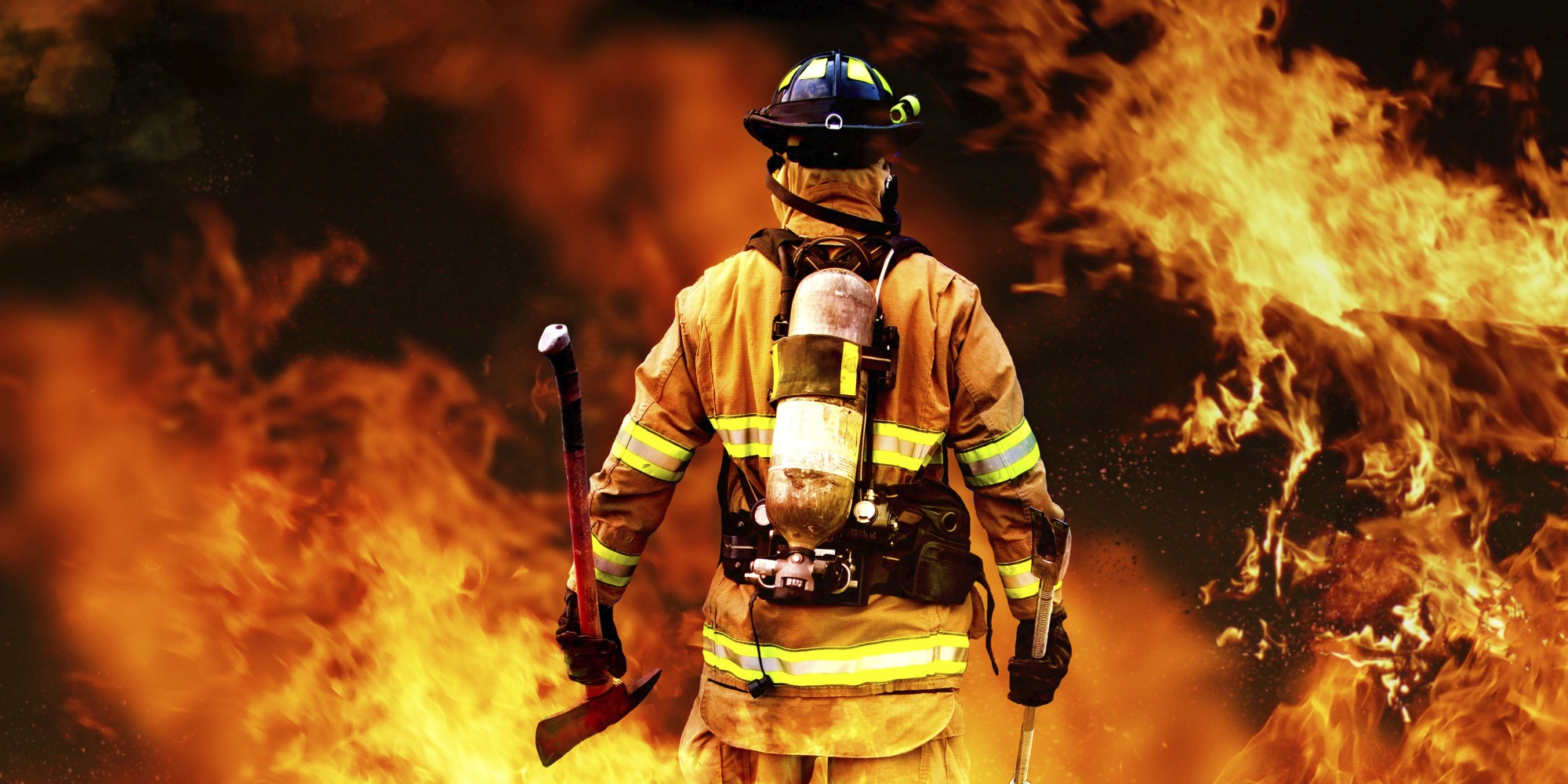
In the fire service, advancing from firefighter to a leadership role requires more than on-the-job experience; it demands formal education in leadership, management, and operational oversight. Fire Officer 2 classes are designed to equip mid-level firefighters with the knowledge and skills needed to effectively supervise personnel, manage resources, and make critical decisions during emergency operations. These classes prepare candidates to meet the growing demands of fireground management, departmental administration, and community engagement.
This article explores what fire officer 2 class entail, the topics covered, and the benefits of completing these courses for professional growth in the fire service.
What is a Fire Officer 2 Class?
A Fire Officer 2 class is an advanced-level course intended for firefighters who have already completed Fire Officer 1 or have equivalent leadership experience. Unlike entry-level officer training, Fire Officer 2 classes focus on mid-level supervision, advanced operational management, and administrative responsibilities within a fire department.
Fire Officer 2 prepares candidates to:
Supervise fire crews and other personnel effectively
Implement departmental policies and standard operating procedures (SOPs)
Lead incident command for moderate- to large-scale emergencies
Oversee training programs and professional development of junior officers
Manage budgets, resources, and equipment efficiently
Evaluate personnel performance and enforce safety standards
Importance of Fire Officer 2 Classes
Completing a Fire Officer 2 class is critical for firefighters aspiring to advance in leadership roles. These courses provide the structured education necessary to:
Enhance Leadership Skills: Candidates learn how to motivate teams, manage conflict, and make decisions under pressure.
Improve Operational Management: Understanding fireground operations and resource allocation ensures effective and safe emergency responses.
Develop Administrative Competence: Fire Officer 2 classes teach budgeting, record-keeping, policy implementation, and personnel evaluation.
Meet Certification Requirements: Many fire departments require Fire Officer 2 certification for promotion to captain, battalion chief, or similar supervisory positions.
Ensure Community Safety: Well-trained officers contribute to safer fireground operations and more effective public education programs.
Topics Covered in Fire Officer 2 Classes
Fire Officer 2 classes combine classroom instruction, hands-on exercises, and scenario-based learning. Common subjects include:
Leadership and Supervision: Advanced leadership techniques, team dynamics, ethical decision-making, and accountability
Fire Department Administration: Policy development, budgeting, resource management, record-keeping, and report writing
Human Resource Management: Training, mentoring, performance evaluations, recruitment, and personnel management
Emergency Management and Incident Command: Incident planning, resource allocation, operational oversight, and multi-agency coordination
Safety and Risk Management: Hazard identification, risk assessment, and implementation of safety protocols
Community Relations: Fire prevention programs, public education, and fostering community trust
Practical exercises often include simulated emergency scenarios, tabletop exercises, and case studies to help students apply theoretical knowledge in real-world settings.
Levels and Formats of Fire Officer 2 Classes
Fire Officer 2 classes are typically offered in several formats to accommodate the diverse needs of fire service professionals:
In-Person Classes: Traditional classroom training with hands-on exercises and live demonstrations
Online Classes: Flexible programs for working firefighters, providing theory, leadership training, and administrative instruction via virtual platforms
Hybrid Programs: Combine online coursework with practical, in-person skill evaluations for a comprehensive learning experience
These classes are designed to meet NFPA 1021 standards and are often recognized by state fire academies for certification purposes.
Certification Process
To obtain Fire Officer 2 certification, candidates usually must:
Complete Fire Officer 1 training or hold equivalent experience
Enroll in a recognized Fire Officer 2 class
Participate in practical exercises and classroom instruction
Pass written and practical exams testing leadership, administrative, and operational skills
Apply for certification through the state fire academy or department-approved program
Career Benefits of Fire Officer 2 Classes
Completing fire officer 2 classes provides numerous professional advantages:
Promotion Opportunities: Qualifies candidates for leadership roles such as lieutenant, captain, or battalion chief
Enhanced Professional Credibility: Demonstrates competency in fireground leadership, departmental management, and administrative skills
Operational Efficiency: Well-trained officers improve team performance, safety, and emergency response effectiveness
Community Impact: Certified officers help reduce fire risks and improve public education initiatives, enhancing overall community safety
Conclusion
A Fire Officer 2 class is an essential step for firefighters looking to advance in their careers. By completing these classes, candidates gain the leadership, operational, and administrative skills needed to supervise teams, manage resources, and make critical decisions during emergencies.
Whether taken in-person, online, or through hybrid programs, Fire Officer 2 classes provide structured, NFPA-compliant training that prepares fire officers for mid-level leadership positions. Investing in this education not only improves career prospects but also ensures safer, more effective fire service operations, benefiting both personnel and the communities they serve.
Comments
Log in or sign up to join the conversation.