

As the bond market continues to melt down and faith in the Federal Reserve’s willingness and ability to tackle inflation grows, it appears at least some institutional investors in the West are turning back toward gold.
In a recent interview, Fidelity International portfolio manager George Efstathopoulos said he has doubled the fund's gold holdings, pushing them to a self-imposed maximum of 5 percent. Efstathopoulos also said he would consider raising the limit if the dollar’s safe-haven status continues to decline.
London-based Fidelity International (not to be confused with Fidelity Investments in the U.S.) has $565.7 billion in client assets under management and serves around 2.5 million customers.
Fidelity International trimmed its gold holdings earlier this year as the yellow metal corrected and traded sideways after the onset of the U.S.-Iran conflict.
According to Bloomberg, Fidelity funded its recent gold accumulation with cash on hand and by selling high-yield bonds, including gilts (UK government bonds).
Efstathopoulos said the fund began accumulating gold after the bond selloff following that July Federal Reserve meeting.
While Federal Reserve Chairman Kevin Warsh and his colleagues continued to talk tough about fighting inflation, they once again held rates steady.
The markets seem to be paying more attention to what the Fed does than what Warsh & Company says. They are looking for action. Having gotten none, the long end of the Treasury yield spiked yet again after the Fed's (non) policy announcement last month.
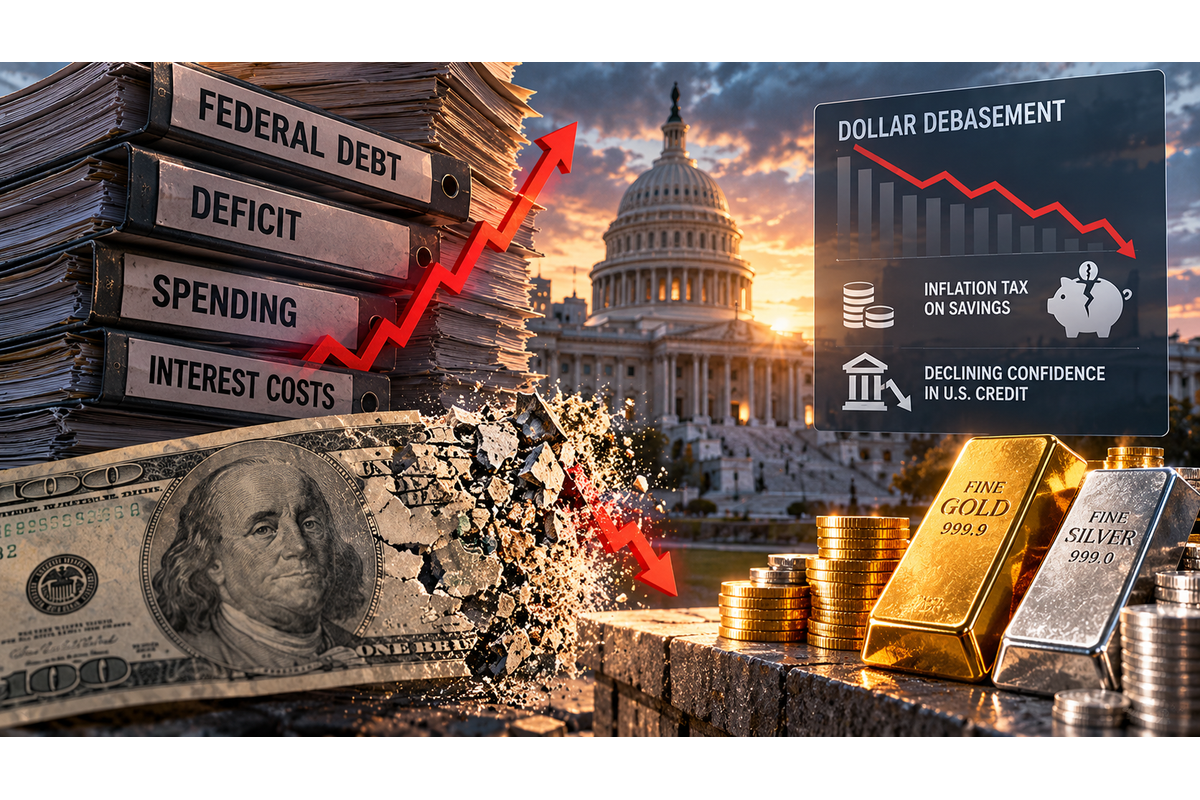
This indicates that investors have little faith in the central bank’s willingness or ability to anchor price inflation at 2 percent. As a CNBC report put it, “We think you’re going to keep short-term policy rates in check, and it’s going to create a ton of inflation later.”
This was exactly the point Efstathopoulos made in his interview.
“My translation of [the post-meeting bond selloff] is the lack of Fed credibility and more policy uncertainty.”
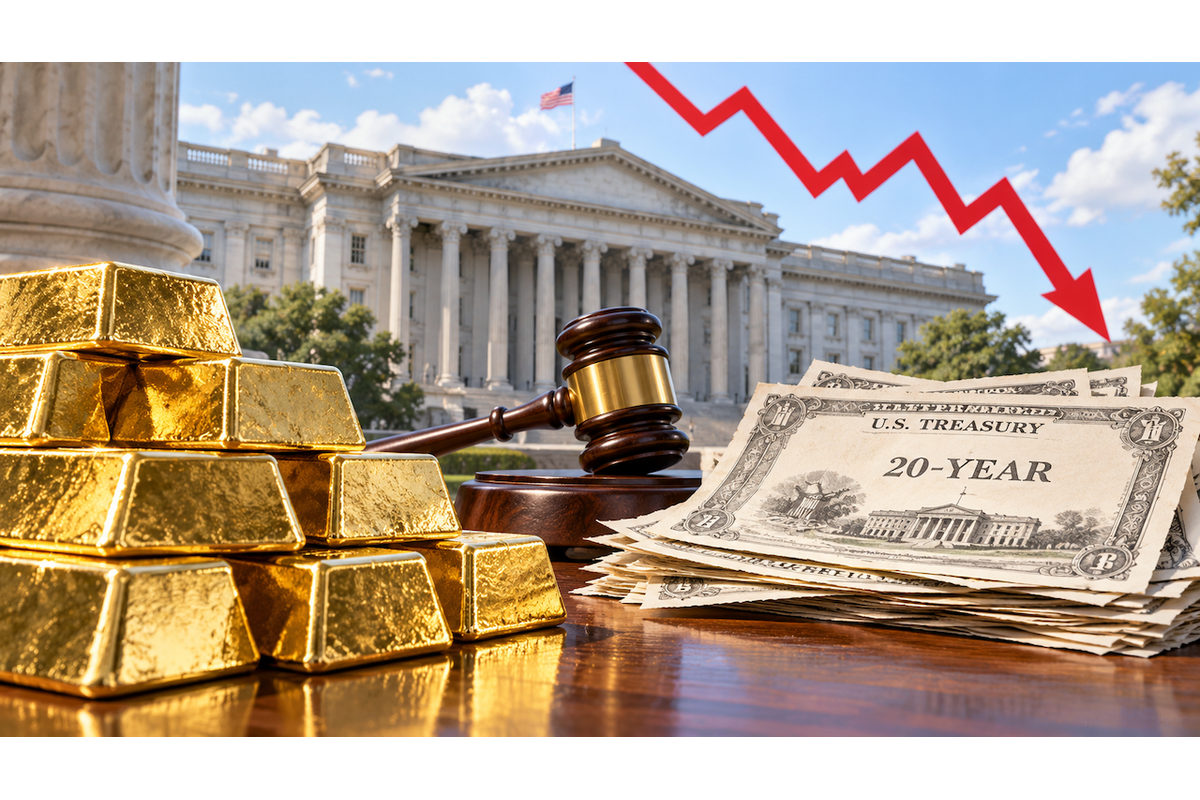
Gold has rallied since that Fed meeting, with the latest leg up driven by a failed attempt by the U.S. Treasury Department to intervene and prop up the bond market with a more aggressive buyback of long-term Treasuries.
Efstathopoulos said this buyback looked like “an attempt to manipulate the yields, rather than dealing with the source of why yields are moving higher.”
“Gold now is less focused on yields rising, but why yields are rising.”
Gold is up nearly 14.8 percent since the beginning of August and is trading at a 3-month high. It has also climbed above the technically significant 200-day moving average.
Comments
Log in or sign up to join the conversation.