

Feeling unsteady while walking, standing, or changing direction can be frustrating and sometimes frightening. Balance problems can affect people of all ages and may make everyday activities such as climbing stairs, getting out of a chair, or walking outdoors more difficult. The good news is that targeted balance therapy can help improve stability, strength, coordination, and confidence during daily movement.
If you are searching for balance training near you, understanding how balance therapy works can help you make an informed decision about your health and mobility. Balance therapy is a form of physical therapy that uses personalized exercises and movement strategies to help people improve their ability to stay steady and move safely.
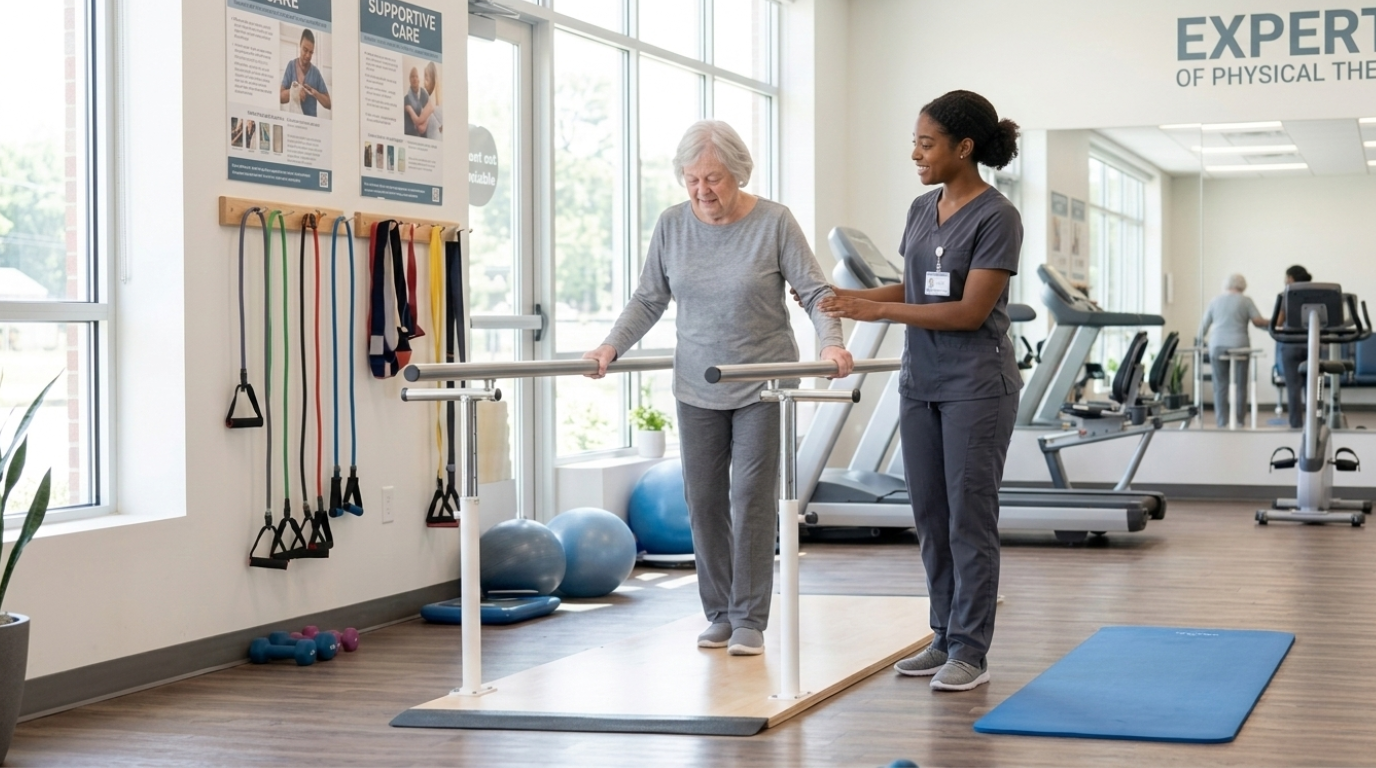
What Can Cause Balance Problems?
Balance problems can happen for many different reasons. Some people may experience poor balance because of muscle weakness, joint stiffness, or changes in coordination. Others may develop balance difficulties after an injury, surgery, illness, or a period of reduced physical activity.
Age-related changes can also affect balance. As people get older, they may naturally lose some muscle strength, flexibility, reaction speed, and coordination. Vision changes and certain health conditions can also contribute to feeling unsteady.
Common signs of balance problems may include:
Feeling unstable while walking
Frequently stumbling or tripping
Holding onto walls or furniture for support
Difficulty walking on uneven surfaces
Feeling dizzy or unsteady when changing positions
Trouble standing on one foot
Fear of falling during everyday activities
These symptoms should not simply be ignored, especially if they are becoming more frequent or affecting your independence.
What Is Balance Therapy?
Balance therapy is a specialized form of physical therapy designed to improve stability and safe movement. A physical therapist first evaluates your strength, flexibility, coordination, walking pattern, posture, and balance abilities. Based on this evaluation, a personalized treatment plan is created.
Unlike general exercise programs, balance therapy is designed around your specific needs. Someone recovering from an injury may need a different approach than an older adult who wants to reduce the risk of falling. Personalized treatment allows exercises to be adjusted according to your current abilities and progress.
How Balance Therapy Can Help
1. Improves Stability
Balance exercises can help your body learn how to maintain control while standing and moving. Therapy may include activities that challenge your balance in a safe and controlled environment. Over time, these exercises can help improve your ability to stay steady during daily activities.
2. Builds Strength
Weak muscles, especially in the legs and core, can make it harder to maintain balance. Strengthening these areas can provide better support for your body. Stronger muscles may also make activities such as walking, climbing stairs, and standing from a chair easier.
3. Improves Coordination
Good balance requires different parts of the body to work together. Balance therapy may include exercises that improve coordination between your muscles, joints, eyes, and nervous system. Better coordination can help you react more effectively when your body becomes unstable.
4. Supports Fall Prevention
Falls can lead to serious injuries and may cause people to become less active because of fear. Balance-focused physical therapy can help identify movement difficulties and address factors that may increase fall risk. Learning safer movement strategies can help people feel more confident during daily activities.
5. Increases Confidence
Feeling unsteady can affect more than physical movement. Many people begin avoiding activities they once enjoyed because they are afraid of falling. As strength, stability, and coordination improve, therapy may help restore confidence and encourage safer participation in everyday activities.
What Happens During a Balance Therapy Program?
Your treatment plan will depend on your individual needs. A physical therapist may begin with an assessment to understand how you move and where difficulties occur. Treatment may then include exercises for leg strength, core stability, flexibility, coordination, walking, and controlled movement.
Some exercises may involve standing on different surfaces, changing direction, stepping over objects, reaching while standing, or practicing movements used in everyday life. The exercises are usually progressed gradually as your abilities improve.
Safety is an important part of balance therapy. Exercises should be performed at an appropriate level so that you are challenged without being placed at unnecessary risk.
Who Can Benefit From Balance Training?
Balance therapy may be helpful for adults who experience unsteadiness, frequent trips, muscle weakness, or difficulty with walking. It may also benefit individuals recovering from injuries or surgery, people with reduced mobility, and older adults who want to maintain independence.
You do not always need to wait until you experience a fall before addressing balance concerns. Early attention to weakness, instability, or changes in movement may help you stay active and reduce the chance of future problems.
When Should You Seek Professional Help?
Consider speaking with a physical therapist if balance problems are affecting your daily life or if you frequently feel unsafe while walking. Professional guidance can help identify possible movement limitations and provide exercises that are appropriate for your condition and goals.
If you are looking for balance training near you, Expert Doctors of Physical Therapy provides personalized physical therapy services designed to support strength, mobility, stability, and safer movement. A professional evaluation can help determine which exercises and treatment strategies may be most appropriate for your needs.
Frequently Asked Questions
What is balance therapy?
Balance therapy is a type of physical therapy that uses personalized exercises to improve stability, coordination, strength, and safe movement.
Can balance therapy help prevent falls?
Balance therapy may help address factors such as weakness, poor coordination, and movement difficulties that can contribute to fall risk. A physical therapist can create a plan based on your individual needs.
Is balance therapy only for older adults?
No. People of different ages may experience balance problems due to injuries, weakness, surgery, reduced activity, or other factors. Treatment is customized to the individual.
How often should I do balance exercises?
The recommended frequency depends on your condition, goals, and treatment plan. A physical therapist can provide guidance on how often and how safely to perform exercises.
Can physical therapy improve walking stability?
Yes. Physical therapy may help improve strength, coordination, posture, and movement control, which can support better walking stability.
Should I wait until I fall before seeking help?
No. Frequent stumbling, unsteadiness, or fear of falling may be signs that professional guidance could be helpful. Addressing balance concerns early may support safer and more confident movement.
Comments
Log in or sign up to join the conversation.