

On Wednesday, the Fed issued addendum to the Policy Normalization Principles and Plans. What does it mean for the gold market?
The FOMC not only hiked interest rates at its last meeting, but also laid out a plan to unwind its $4.5 trillion balance sheet. In the May edition of the Market Overview, we wrote that the normalization process “will be passive, gradual and well communicated to the market. And the size of the balance sheet will not return to the pre-crisis level.” Indeed, the Committee “currently anticipates reducing the quantity of reserve balances, over time, to a level appreciably below that seen in recent years but larger than before the financial crisis.” Hence, investors should not expect a quick and abrupt decline in the Fed’s balance sheet.
The unwinding of the U.S. central bank’s balance sheet will be gradual, as the Fed will steadily decrease its reinvestment of the principal payments it receives from owned securities. These payments will be reinvested only to the extent that they exceed gradually rising caps, which are as follows:
- For Treasury securities, the cap would be set at $6 billion per month, increasing by $6 billion increments every three months over a 12-month period until it reached $30 billion per month.
- For agency debts and mortgage-backed securities, the cap would be set at $4 billion per month, increasing by $4 billion increments every three months over a 12-month period until it reached $20 billion per month.
The caps will remain in place once they reach their respective maximums. The plan neither specifies the overall size of the reduction nor the specific date of the start of normalization. Yellen said only that the Fed could begin shrinking its balance sheet “relatively soon”, which means either September or December.
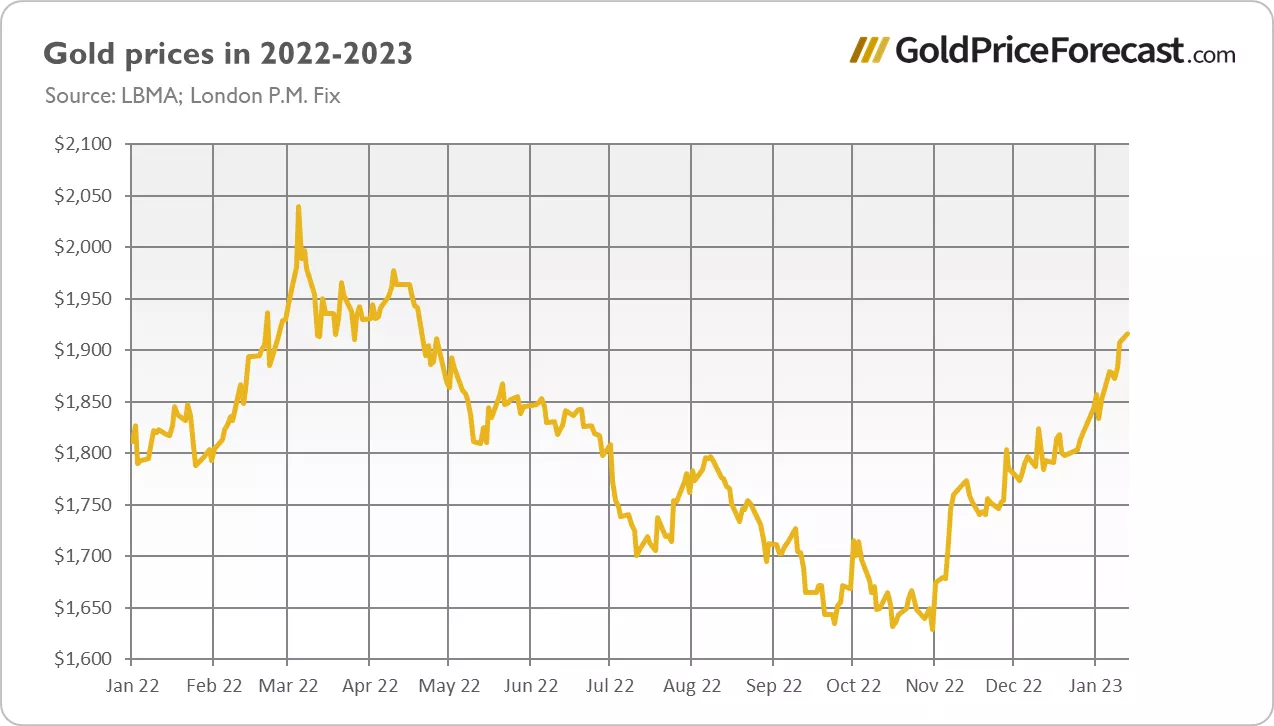
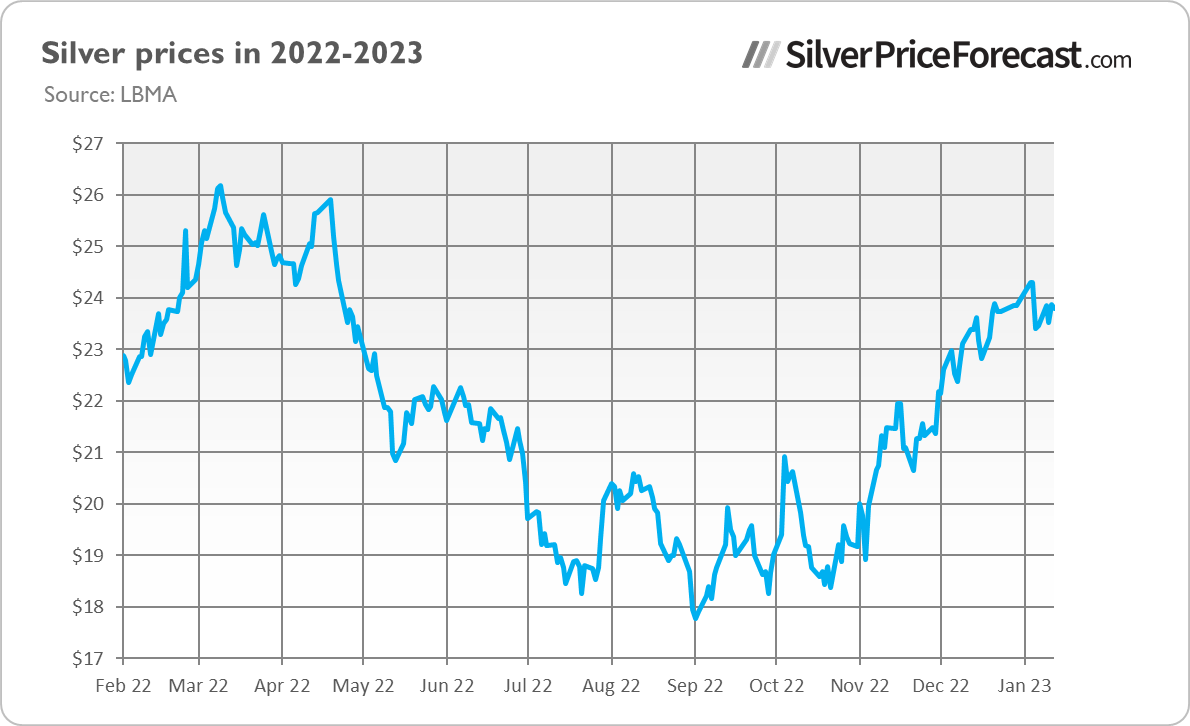
The take-home message is that the Fed has finally presented details on its balance sheet normalization. It’s signal that the U.S. central bank is confident in the economy and its monetary policy. Moreover, the pace and scale of asset liquidation program announced by the Fed was more hawkish than forecast by the markets (for example, Goldman Sachs had expected higher caps at, respectively, $10 and $5 billion. Therefore, the presented plan is bad news for the gold market – more aggressive balance sheet normalization than expected could exert downward pressure on the price of gold for a while. Stay tuned!

Comments
Log in or sign up to join the conversation.