
Learn how to select, organize, and maintain the right tools for a reliable hand tool kit that supports DIY projects, repairs, and professional work.
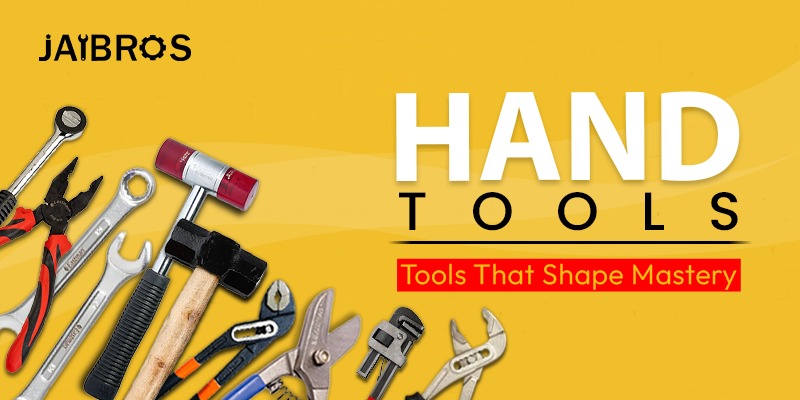
How to Build a Reliable Hand Tool Kit from Scratch
It would be wrong to assume that a good toolkit can be created by buying tens of tools at one time. Rather, it takes proper planning and intelligent investment into something that will suit your every day requirements perfectly. No matter if you are a handyman who fixes small things at home, or a professional dealing with technical jobs or a DIY fanatic involved in different projects, good tools will definitely simplify and facilitate your work. At the same time, a well-built toolkit will decrease your need for additional help for your regular maintenance jobs.
Quite often people tend to start collecting tools without any plan and finish with an accumulation of unnecessary things but without having essential tools. In order to build a good hand tool kit from scratch, you need to pay attention to durability and versatility of these products.
Lay the Foundation with Multi-Purpose Essentials
Every reliable toolkit starts with a group of versatile tools that can handle numerous tasks. These are the tools you will reach for most often, making them the foundation of your collection.
Some essential items include:
Claw hammer
Adjustable wrench
Screwdriver set
Combination pliers
Utility knife
Measuring tape
Allen key set
Spirit level
Wire cutter
Socket set
This will enable one to have a variety of tools that can be used for all kinds of repairs and installations. In deciding which tool to buy, it is important to consider the kinds of repairs that one does most often. This way, every tool that one buys is worthwhile.
Buying quality hand tools in the beginning avoids problems later on. Higher quality means higher durability and better performance.
Build for Durability, Not Just Immediate Savings
One of the biggest challenges when purchasing tools is balancing quality and cost. Many buyers are tempted by low-cost products, but cheaper tools often wear out quickly and fail when needed most.
When comparing products, consider:
Material strength
Rust resistance
Handle comfort
Precision engineering
Manufacturer reputation
Warranty support
As you consider various choices, it will be useful for you to weigh the hand tool price among several vendors. Yet the price shouldn’t be the deciding factor. You should be willing to pay a little more now because it will guarantee a reliable performance in years to come.
Tools are viewed by professionals as investments rather than purchases. You can learn from them.
Match Your Toolkit to Real-World Applications
Not every toolkit should look the same. The tools you need depend largely on the type of work you perform. Creating a customized collection ensures greater efficiency and avoids unnecessary spending.
Home Improvement Projects
For household repairs and installations, prioritize:
Screwdrivers
Hammer
Adjustable wrench
Pliers
Measuring tools
These tools are ideal for furniture assembly, fixture installation, and basic maintenance.
Automotive Maintenance
If you regularly work on vehicles, consider adding:
Ratchet sets
Torque wrenches
Socket extensions
Locking pliers
These tools help simplify repair and servicing tasks.
Electrical Tasks
Electrical projects typically require:
Insulated screwdrivers
Wire strippers
Voltage testers
Cable cutters
Every hand tool should be selected based on practical needs rather than impulse purchases. A focused collection is often more effective than a large but disorganized one.
Create an Organization System That Works
Even the best tools lose value if they are difficult to find when needed. Proper organization improves productivity and protects your investment.
Consider the following storage strategies:
Use compartmentalized toolboxes
Label storage sections clearly
Keep frequently used tools within easy reach
Separate heavy and delicate tools
Store equipment in dry conditions
A well-organized workspace can help decrease downtime and lower the risk of losing important tools. In addition, it provides protection for each hand tool from the risk of damage by water, dust, or incorrect handling.
For many people who have gained experience in their professional work, the time taken to organize tools is equal to the time spent choosing them.
Grow Your Collection with Purpose
A quality toolkit develops over time. As your skills expand and project requirements become more advanced, additional tools can be added strategically.
Useful upgrades may include:
Precision screwdrivers
Rivet tools
Pipe wrenches
Crimping tools
Specialty pliers
Inspection mirrors
Torque tools
Before purchasing any new item, ask yourself:
How often will I use it?
Can another tool already perform this task?
Does it improve efficiency significantly?
Making thoughtful additions prevents unnecessary clutter while ensuring your toolkit continues to evolve according to your needs.
During this process, comparing the hand tool price of different models can help identify products that provide the best balance between performance and affordability.
Avoid Common Mistakes That Weaken a Toolkit
Many tool collections become inefficient because of poor purchasing decisions. Understanding common mistakes can help you avoid wasting money and storage space.
Common errors include:
Buying tools solely because they are on sale
Ignoring build quality
Purchasing duplicate tools unnecessarily
Choosing oversized kits with rarely used items
Neglecting maintenance
Failing to plan for future needs
A dependable hand tool should offer comfort, precision, and durability. Taking time to evaluate products before purchasing often results in a more effective and long-lasting toolkit.
Remember that the goal is not to own the most tools but to own the right tools.
Protect Your Investment Through Proper Maintenance
Even premium tools require routine care to maintain peak performance. Regular maintenance helps extend lifespan and ensures tools remain ready for use whenever needed.
Best practices include:
Wiping tools clean after use
Removing grease and dirt buildup
Lubricating moving parts
Checking for signs of wear
Replacing damaged components promptly
Storing tools correctly
With proper care, a hand tool may serve you for many years without compromising on efficiency.
Establishing a maintenance schedule enhances workplace safety because there is reduced danger of a breakdown of tools when executing critical tasks.
Conclusion
Creating an efficient toolkit begins from scratch and requires patience in planning and making wise decisions. It is possible to create a toolkit that will meet your needs now and later by acquiring basic and durable tools, being organized, and adding more tools in the right way. Good tools make the work easier and give one more confidence in doing repairs, maintenance, and construction works. Regardless of whether you are at the beginning of your road or looking for some upgrades, acquiring efficient equipment is never wasted. For those who require trustworthy tool solutions, jaibros is always there to help you out.
FAQs
1. What should be included in a beginner's toolkit?
A hammer, screwdriver set, pliers, measuring tape, utility knife, and adjustable wrench are excellent starting tools.
2. How do I choose quality tools?
Look for durable materials, comfortable grips, corrosion resistance, warranty coverage, and positive user reviews.
3. Is it better to buy tools individually or in sets?
Individual purchases often provide better quality and allow you to select tools based on actual requirements.
4. How can I keep my tools in good condition?
Clean them after use, lubricate moving parts, inspect them regularly, and store them in a dry environment.
5. How long does it take to build a complete toolkit?
A quality toolkit is usually built gradually over time as your projects, skills, and requirements expand.
Comments
Log in or sign up to join the conversation.