

Find out how ER collets improve CNC tool holding through stable clamping, better alignment, and consistent machining results.
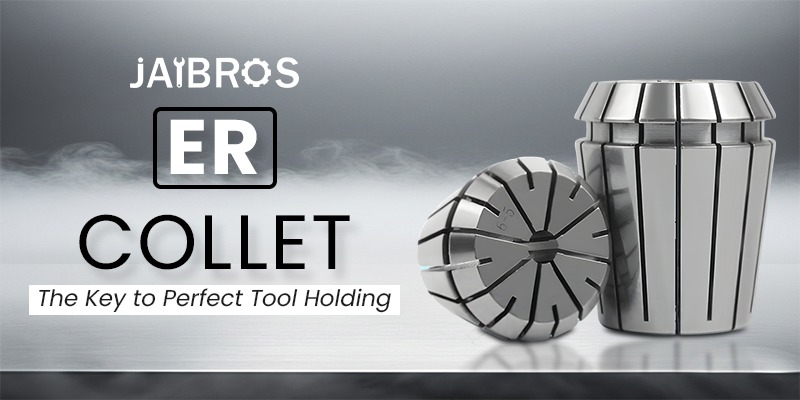
How ER Collets Improve Tool Holding Accuracy in CNC Machines
It is essential to have accuracy in modern-day machining operations. If there is any mistake in the way that tools are held, it will result in improper surface finish, imprecise measurements, and low efficiency. Modern-day CNC machining calls for an accurate method of holding that is reliable enough to maintain consistency during high-speed operations. This is why various industries use advanced devices to improve their machining accuracy.
Effective tool holding mechanisms minimize downtimes and decrease the frequency of tool breakages. The right degree of clamping pressure guarantees tool stability in various machining processes. Some of the effective tool holding systems that are commonly used in machining centers include er collets, which are famous for their capacity to offer balanced clamping and concentricity.
Importance of Tool Holding in CNC Machines
Tool holding accuracy directly affects machining efficiency and component quality. A poorly clamped tool may slip, vibrate, or produce uneven cuts. This can lead to damaged workpieces, shorter tool life, and higher production costs.
In CNC operations, stable tool holding offers several benefits:
Improves cutting precision
Reduces machine vibration
Enhances surface finish quality
Extends cutting tool life
Minimizes machining errors
Supports higher spindle speeds
A stable holder also helps operators maintain consistent performance during long production cycles. This becomes especially important in industries such as automotive, aerospace, mold manufacturing, and heavy engineering.
How Collet Systems Improve Accuracy
Collet systems have been created in order to ensure that all cutting tools are held equally along the entire circumference. This is unlike conventional holding mechanisms, which only apply pressure at some select areas. It ensures that there is precise alignment between the spindle and the cutting tool.
Correct holding minimizes runout, which is among the key contributors to low machining performance. Minimal runout ensures that the cutting edge moves accurately, hence producing clean cuts.
Selecting the correct size is important because improper fitting may reduce gripping strength and machining stability.
Some important advantages of collet-based systems include:
Better concentricity
Strong gripping force
Quick tool changes
Reduced chatter during cutting
Compatibility with multiple tool diameters
Improved balance at high RPM
These benefits make collet systems highly suitable for precision machining environments.
Role of Proper Collet Selection
Selecting the appropriate collet is crucial for ensuring machining precision. The capacity of each collet depends on factors such as spindle speed, tool diameter, and machining force.
Collets of different sizes are available from manufacturers according to industry needs. Small collets find their use in precision engraving or milling, whereas large collets accommodate heavier cutting tasks.
When selecting a collet system, machinists often consider factors such as:
1. Tool Diameter Compatibility
The collet should match the cutting tool diameter correctly to avoid slippage.
2. Clamping Force
Higher gripping strength improves stability during aggressive machining.
3. Material Quality
Hardened and precision-ground collets offer better durability and accuracy.
4. Runout Tolerance
Low runout helps improve dimensional precision and surface finish.
5. Application Type
Different machining tasks may require specialized clamping systems.
Proper maintenance is equally important. Dirt, coolant residue, or damaged surfaces can reduce holding accuracy over time.
Influence on Surface Finish and Tool Life
Machining quality depends heavily on cutting stability. Excessive vibration or improper clamping often creates rough finishes and uneven cuts. Secure tool holding reduces movement during operation and helps maintain smooth machining performance.
Correct use of er collet sizes allows better tool alignment, which directly improves surface finish quality. Stable cutting conditions also reduce stress on the cutting edge, helping tools last longer.
Benefits related to tool life and surface quality include:
Lower heat generation
Reduced cutting edge chipping
Consistent material removal
Improved dimensional repeatability
Better finishing performance
This is especially valuable in industries producing precision parts where tolerance accuracy is critical.
Applications Across Different Industries
Collet systems are widely used because of their flexibility and reliability. They support various machining processes including drilling, milling, tapping, and reaming.
Industries using precision collet systems include:
Automotive manufacturing
Aerospace machining
Medical equipment production
Die and mold industries
Electronics manufacturing
General engineering workshops
Specialized systems such as er 25 collet holder setups are often preferred for compact machining environments where precision and space efficiency are important.
Similarly, tapping operations may use er tap collets to provide secure gripping and proper torque transmission during threading applications.
Machinists also refer to an er collet size chart when selecting suitable clamping options for different cutting tools and machining requirements.
Factors That Affect Clamping Performance
Several conditions can influence overall machining accuracy even when using advanced tool holders. Operators should monitor these factors regularly:
Cleanliness
Dust or chips inside the collet seat can create alignment issues.
Wear and Damage
Old or cracked collets may reduce gripping force and increase runout.
Tightening Torque
Improper tightening may either damage the tool or reduce holding strength.
Machine Spindle Condition
A worn spindle affects alignment and overall machining precision.
Tool Balance
Balanced cutting tools help maintain stability during high-speed machining.
Proper inspection and maintenance routines help maximize the efficiency of CNC tool holding systems.
Future of Precision Tool Holding
As machining technology continues to advance, industries are demanding higher accuracy and faster production speeds. Modern manufacturing focuses heavily on automation, precision engineering, and reduced operational errors.
Advanced clamping systems are evolving to support these requirements through improved materials, tighter tolerances, and better balancing performance. High-speed machining applications especially benefit from precise gripping systems that maintain stability under demanding conditions.
The use of optimized er collet sizes continues to grow because manufacturers require flexible solutions capable of handling multiple tool diameters while maintaining consistent machining quality.
Conclusion
Tool holding accuracy is an extremely critical aspect in CNC machining operations. Effective tool clamping enhances cutting accuracy, machining surface quality, and productivity while minimizing vibration and tool wear. Efficient collets ensure strong grip and consistency in CNC machining operations.
Efficient collets have proved effective in enhancing machining accuracy in all machining operations ranging from precision milling to high-speed drilling processes. Companies that seek to improve their CNC machining operations should consider using efficient collets. Jaibros knows the significance of accurate machining parts and tools in contemporary manufacturing facilities.
FAQs
1. Why is tool holding accuracy important in CNC machining?
Accurate tool holding reduces vibration, improves surface finish, and increases machining precision.
2. How do collet systems improve machining performance?
They provide even gripping force around the cutting tool, reducing runout and improving stability.
3. Can collet systems support different tool sizes?
Yes, various collet options are available to hold multiple cutting tool diameters.
4. What causes poor clamping performance?
Common causes include dirt buildup, damaged collets, improper tightening, and spindle wear.
5. Are collet systems suitable for high-speed machining?
Yes, precision collet systems are widely used for high-speed and precision machining applications.
Comments
Log in or sign up to join the conversation.