

The global aviation industry depends on reliable aircraft components to maintain safety, performance, and operational efficiency. Among the most widely recognized regional aircraft platforms, Embraer Aircraft have become an important part of commercial aviation fleets around the world. Embraer’s E-Jet family, including the Embraer E175, is widely used for regional routes, connecting smaller cities with major aviation hubs.
Maintaining these aircraft requires access to dependable components, replacement parts, and aviation procurement services. Airlines, maintenance organizations, repair stations, and aircraft operators must carefully source parts that meet applicable specifications and quality requirements. Working with experienced civil aviation parts manufacturers and suppliers can help organizations manage routine maintenance as well as urgent operational requirements.
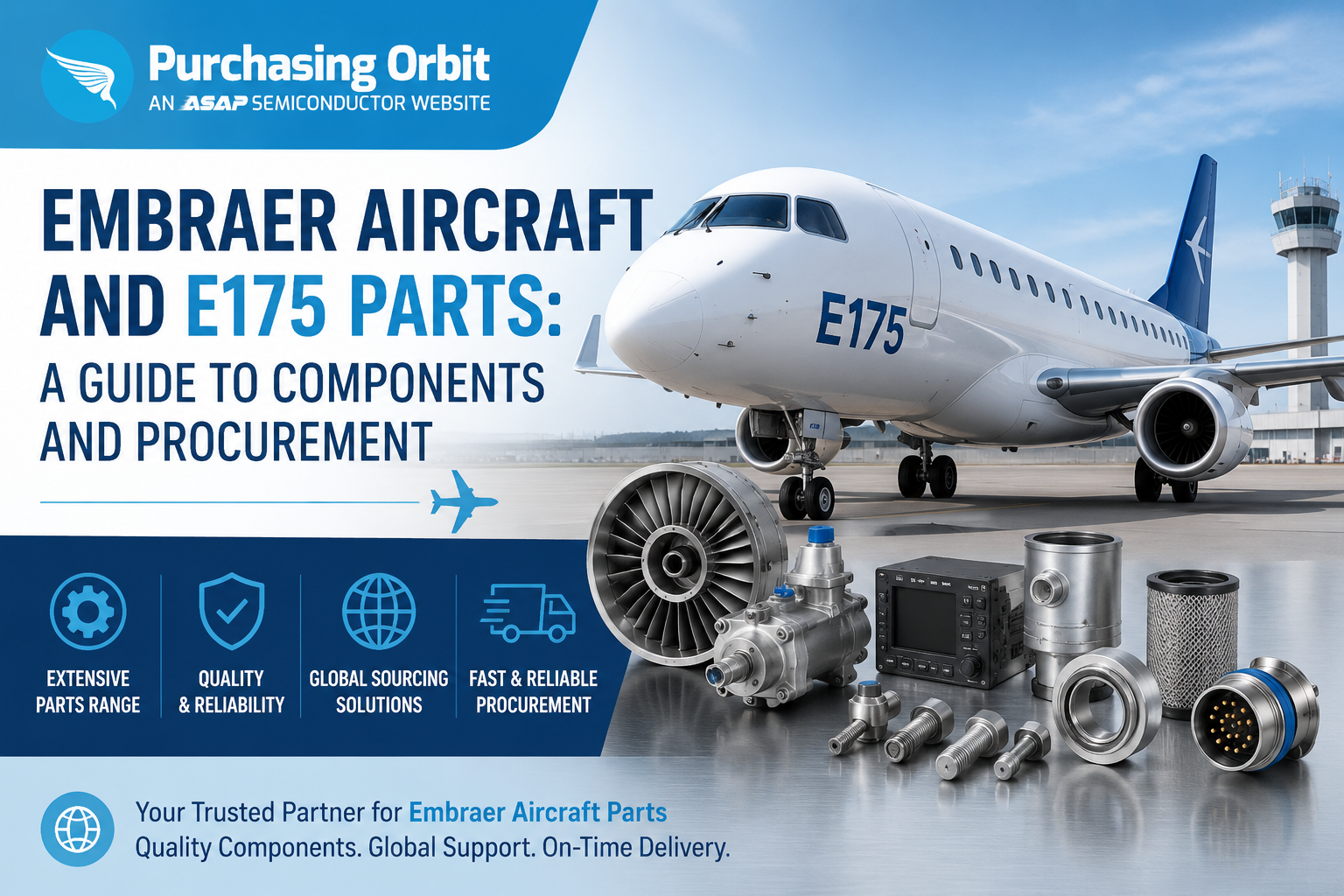
Understanding Embraer Aircraft
Embraer is a major aerospace manufacturer known for developing commercial, executive, defense, and specialized aircraft. Its commercial aircraft portfolio has played an important role in regional aviation by offering aircraft designed for efficient short- and medium-haul operations.
The E-Jet family is particularly notable because of its combination of passenger capacity, operating efficiency, and flexibility. These aircraft are operated by airlines in numerous markets and are frequently used for regional connectivity.
For operators, keeping an Embraer aircraft in service requires a well-organized parts supply chain. Components can range from standard hardware and bearings to sophisticated avionics, electrical equipment, hydraulic components, cabin equipment, and engine-related parts.
Embraer E175 Parts and Their Importance
The Embraer E175 Parts supply chain includes numerous components required for inspection, repair, replacement, and scheduled maintenance. Because aircraft systems are highly integrated, even relatively small components can play an important role in overall aircraft performance.
Common categories of E175 components may include:
Airframe and structural components
Aircraft fasteners and standard hardware
Bearings and bushings
Electrical and electronic components
Avionics equipment
Hydraulic and pneumatic components
Landing gear components
Flight-control system components
Cabin and interior equipment
Engine and fuel-system components
When sourcing these parts, buyers should pay close attention to the exact part number, manufacturer information, aircraft applicability, required quantity, condition, and documentation.
Why Reliable Parts Sourcing Matters
Aircraft operators cannot afford unnecessary maintenance delays caused by difficult-to-source components. A dependable procurement strategy can help reduce aircraft downtime and improve maintenance planning.
One important consideration is traceability. Aviation organizations typically require appropriate documentation and records to verify that a component is suitable for its intended application. Depending on the component and procurement requirements, buyers may need documentation relating to certification, inspection, airworthiness, or previous service history.
Another important factor is availability. Older, discontinued, surplus, or hard-to-find components can be particularly challenging to locate. A supplier with an extensive aviation supply network can help buyers identify alternative inventory sources and improve the chances of finding required parts.
Working With Civil Aviation Parts Manufacturers
Civil aviation parts manufacturers play a critical role in the aerospace supply chain. They produce components according to established engineering specifications, quality procedures, and industry requirements.
However, manufacturers are only one part of the procurement ecosystem. Distributors, independent suppliers, MRO organizations, and specialized procurement platforms can also provide access to components from multiple sources.
When evaluating a supplier or manufacturer, buyers should consider:
Part availability: Confirm whether the requested component is currently available.
Part number accuracy: Verify the exact part number and applicable specifications.
Condition: Determine whether the component is new, used, overhauled, repaired, or surplus.
Documentation: Ask about available traceability and certification documentation.
Lead time: Confirm expected processing and shipping schedules.
Quality standards: Evaluate the supplier's quality management practices.
Global logistics: Consider shipping capabilities for domestic and international requirements.
These factors can make the procurement process more predictable and reduce the risk of receiving unsuitable components.
Supporting Maintenance and AOG Requirements
Aircraft-on-ground (AOG) situations require particularly fast procurement responses. When an Embraer aircraft is grounded because of a missing or failed component, maintenance teams may need to identify an acceptable replacement quickly.
For this reason, aviation procurement platforms can provide value by connecting buyers with available inventory across different suppliers and locations. Instead of searching through individual sources, buyers can submit detailed requirements and receive information based on part number, quantity, condition, and availability.
For E175 operators, maintaining a list of frequently replaced components can also improve procurement efficiency. Combining planned purchasing with an established supplier network may help maintenance departments respond more effectively to both scheduled and unexpected requirements.
Choosing the Right Embraer Parts Supplier
Selecting an appropriate supplier is an important part of aircraft maintenance planning. A strong supplier should understand aviation procurement requirements and provide clear information about available components.
Purchasing teams should look for suppliers that offer:
Extensive aircraft parts inventory
Support for hard-to-find and obsolete components
Responsive RFQ processing
International sourcing capabilities
Clear product and part-number information
Documentation and traceability support
Expedited shipping options when available
A structured sourcing process can help airlines, MRO providers, and other aviation organizations obtain the components they need while maintaining appropriate quality and compliance considerations.
Conclusion
Embraer Aircraft, particularly the E175, have an important role in modern regional aviation. Keeping these aircraft operational depends on an effective supply chain capable of providing reliable components when they are needed.
From airframe hardware and bearings to avionics, landing gear, electrical equipment, and other specialized components, Embraer E175 Parts must be carefully identified and sourced. By working with reputable civil aviation parts manufacturers, distributors, and specialized procurement platforms, aviation organizations can improve sourcing efficiency and better support maintenance operations.
Comments
Log in or sign up to join the conversation.