

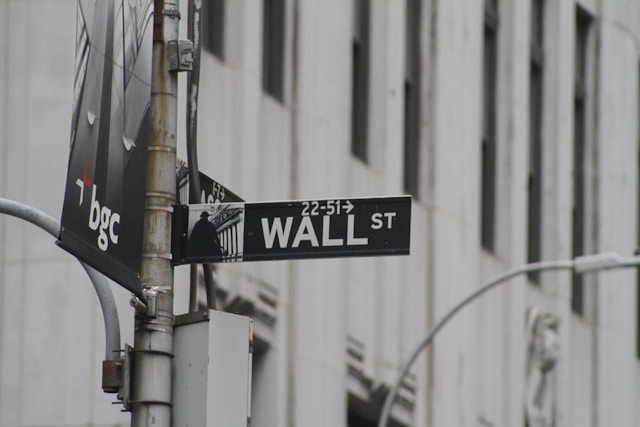
DTCC's Tokenization Rollout Marks a Turning Point for Wall Street
The next phase of blockchain adoption may have less to do with cryptocurrencies themselves and more to do with how traditional financial assets are traded. That shift came into sharper focus this week as the Depository Trust and Clearing Corporation (DTCC) took another step toward bringing tokenized securities into mainstream financial markets.
This move marks a transition from pilot programs to live production trading. It brings tokenized securities onto the same infrastructure that processes the vast majority of U.S. equity transactions.
With more than $114 trillion in assets under custody, DTCC sits at the center of global securities markets. Its move to tokenize some of the most actively traded U.S. financial assets highlights how blockchain technology is increasingly being integrated into traditional market infrastructure.
More than 50 firms are participating in DTCC's Industry Working Group, bringing together some of the largest names in banking, asset management, market infrastructure, and digital assets.
Why DTCC Is Starting With Stocks and Treasuries
The choice of assets is also significant. Rather than focusing on illiquid private markets or niche securities, DTCC began with Russell 1000 equities, major ETFs, and U.S. Treasuries, some of the most liquid and actively traded instruments in global financial markets.
That approach allows the infrastructure to be evaluated under real market conditions, where trading volumes, price movements, and settlement demands are far more complex than in controlled pilot environments.
DTCC views tokenization as a technology capable of supporting core market infrastructure rather than a limited use case confined to less active segments of the financial system. Unlike earlier tokenization efforts, DTCC's initiative is backed by SEC approval and preserves the legal protections of conventional securities.
Wall Street's Tokenization Rollout Is Just Beginning
This week's launch marks only the first step. DTCC is rolling out its tokenization platform in two phases, beginning with limited production trades this month before expanding to a full commercial launch in October 2026. When that second phase begins, the initiative will move beyond a tightly controlled rollout and become part of the core infrastructure supporting the U.S. securities market.
The transition is also happening across the broader market. Both Nasdaq and the NYSE are developing their own tokenized trading capabilities, ensuring that trading venues evolve alongside DTCC's tokenized settlement system.
Together, these efforts point to a coordinated shift across the financial industry, with trading, clearing, and settlement infrastructure advancing toward the same digital future.
The Institutional Case for Tokenization Is Strengthening
For years, critics dismissed crypto and tokenization as technologies searching for a use case, arguing they existed mainly to sidestep traditional financial regulation. That narrative is becoming increasingly difficult to defend.
When institutions such as JPMorgan (JPM), BlackRock (BLK), Goldman Sachs (GS), and the organization responsible for safeguarding more than $114 trillion in securities all participate in the same tokenization initiative, it suggests the technology is addressing real operational needs rather than speculative hype.
What's striking is the contrast between institutional adoption and public perception. While many retail investors are still questioning whether crypto has a meaningful role in finance, the firms that power Wall Street's trading, clearing, and settlement systems are already testing blockchain in live production environments.
As DTCC moves toward its full commercial launch in October and tokenized transactions begin to scale, investors who have been following these developments will likely have a clearer understanding of where the market is headed than those only beginning to pay attention.



Comments
Log in or sign up to join the conversation.