

Industry Key Highlights
The Global Drone Traffic Management Market was valued at USD 1.67 Billion in 2025.
The market is projected to reach USD 5.62 Billion by 2031.
Expected CAGR of 22.42% during the forecast period.
Increasing deployment of drones across commercial, industrial, and government sectors is accelerating market growth.
Communication Infrastructure is anticipated to be the fastest-growing solution segment.
Transportation & Logistics remains the leading end-user category.
According to the TechSci Research report, “Drone Traffic Management Market Forecast– Global Industry Size, Share, Trends, Opportunity, and, 2021-2031,” The Global Drone Traffic Management Market is projected to grow from USD 1.67 Billion in 2025 to USD 5.62 Billion by 2031 at a 22.42% CAGR.
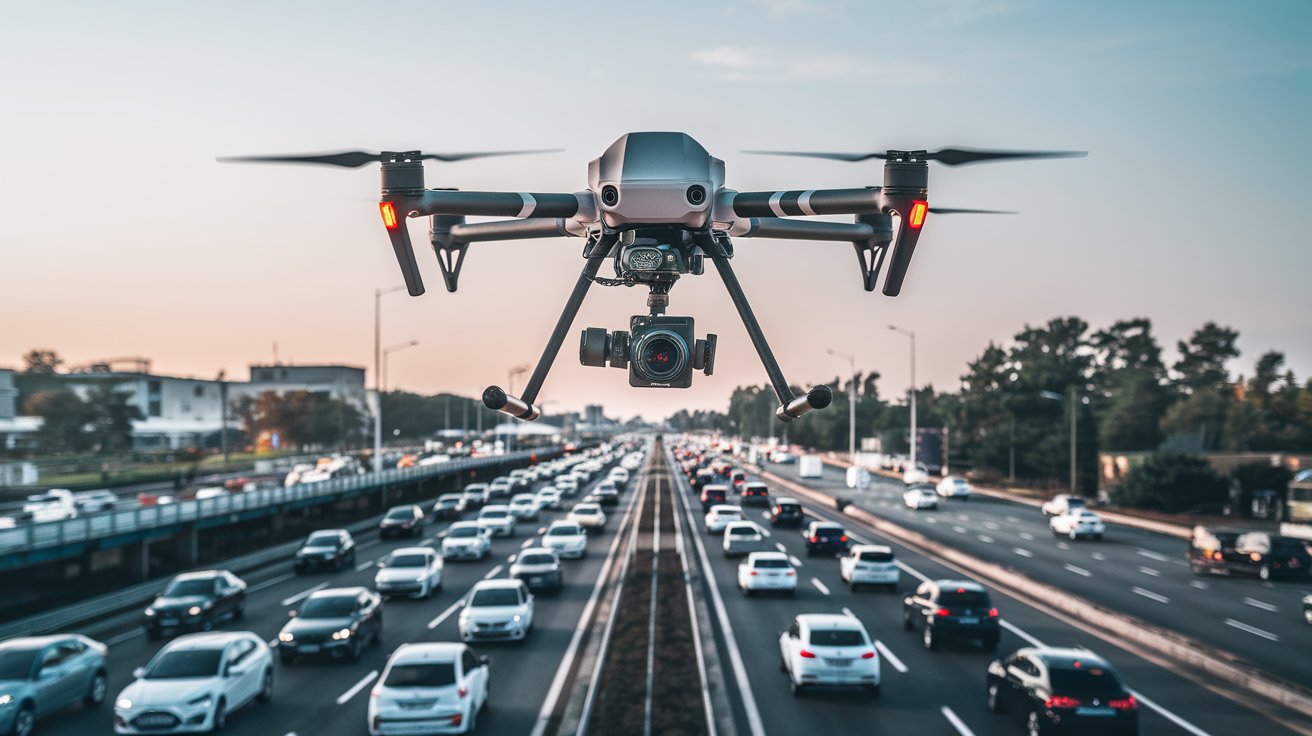
Key Market Drivers
Rising Adoption of Commercial Drones
One of the primary growth drivers of the Drone Traffic Management Market is the rapid adoption of drones across commercial sectors.
Businesses are increasingly leveraging drones for activities such as:
Last-mile delivery
Warehouse management
Infrastructure inspection
Agricultural monitoring
Surveying and mapping
Utility maintenance
Request For Sample Copy of Report For More Detailed Market insight: https://www.techsciresearch.com/sample-report.aspx?cid=15449#requestform
Expansion of Drone Delivery Services
The global logistics industry is undergoing a major transformation fueled by drone-based delivery services.
Retailers, e-commerce platforms, healthcare providers, and logistics companies are increasingly exploring drone delivery solutions to improve speed, reduce costs, and expand service coverage.
Medical deliveries, in particular, have demonstrated significant value during emergencies and public health crises. Drones have proven effective in transporting medicines, vaccines, blood samples, and critical medical supplies to remote or hard-to-reach areas.
As drone delivery networks expand, traffic management systems become essential for coordinating large numbers of simultaneous flights.
Increasing Regulatory Support
Governments and aviation authorities are actively developing regulatory frameworks that encourage safe drone operations.
Authorities are introducing drone registration systems, airspace regulations, remote identification requirements, and operational guidelines to support industry growth while ensuring public safety.
Emerging Trends Shaping the Drone Traffic Management Market
Artificial Intelligence-Powered Airspace Management
Artificial Intelligence is becoming a transformative force within drone traffic management ecosystems.
AI-powered platforms can:
Predict traffic patterns
Optimize flight routes
Detect potential conflicts
Enhance collision avoidance
Improve decision-making
Machine learning algorithms continuously analyze operational data to improve system performance and airspace efficiency.
As drone networks become more complex, AI will play an increasingly important role in managing autonomous airspace operations.
Integration of 5G Connectivity
The deployment of 5G networks is creating new opportunities for drone traffic management.
5G offers:
Ultra-low latency
High-speed communication
Enhanced reliability
Massive device connectivity
These capabilities enable real-time communication between drones, operators, and traffic management systems.
The integration of 5G technology supports advanced applications such as autonomous drone swarms, remote operations, and real-time aerial surveillance.
Cloud-Based Traffic Management Platforms
Cloud computing is reshaping the drone traffic management landscape.
Cloud-based platforms provide:
Scalability
Cost efficiency
Remote accessibility
Real-time data sharing
Centralized monitoring
Organizations increasingly prefer cloud-native solutions that can manage large drone fleets without requiring substantial infrastructure investments.
Cloud-enabled traffic management systems are expected to dominate future deployments.
Rise of Autonomous Drone Operations
The industry is moving rapidly toward autonomous drone ecosystems.
Advanced navigation systems, AI-powered decision-making, and automated flight controls are enabling drones to operate with minimal human intervention.
Competitive Analysis
Airmap Inc.
Altitude Angel Limited
Ansys Government Initiatives
SZ DJI Technology Co. Ltd
Frequentis AG
L3Harris Technologies, Inc.
Lockheed Martin Corporation
Leonardo S.P.A
Nova Systems Pty Ltd
Thales S.A
Nokia Corporation
PrecisionHawk Inc
Sensefly Innovations Private Limited
Customers can also request 10% free customization on this report.
10 Benefits of the Research Report
Provides detailed market size and growth forecasts through 2031.
Offers comprehensive analysis of emerging industry trends.
Identifies key growth drivers and market opportunities.
Evaluates competitive positioning of major market participants.
Delivers insights into regional market dynamics.
Analyzes solution, component, and end-user segments.
Assesses regulatory developments impacting the industry.
Highlights technological innovations shaping market evolution.
Supports strategic planning and investment decision-making.
Enables stakeholders to understand future market potential and competitive challenges.
Contact US:
Techsci Research LLC
420 Lexington Avenue, Suite 300,
New York, United States- 10170
Tel: +13322586602
Email: [email protected]
Comments
Log in or sign up to join the conversation.