
A healthy smile plays a major role in your dog’s overall comfort and well-being. Many pet owners focus on feeding, exercise, bathing, and coat care, but dental hygiene is sometimes overlooked until bad breath or visible tartar becomes a problem. Regular oral care can help reduce plaque buildup, protect the gums, and make everyday activities such as eating, chewing, and playing more comfortable. If you are looking for information about Dog Dental Treatment in Arcadia, it is important to understand that good dental care includes both at-home habits and professional veterinary attention when needed. At Shurcut Pet Parlour, pet owners can also support their dog’s hygiene routine with regular grooming care, including gentle face cleaning and overall wellness-focused grooming. However, dental disease, tooth pain, infections, and dental cleanings below the gumline should always be assessed and treated by a licensed veterinarian.
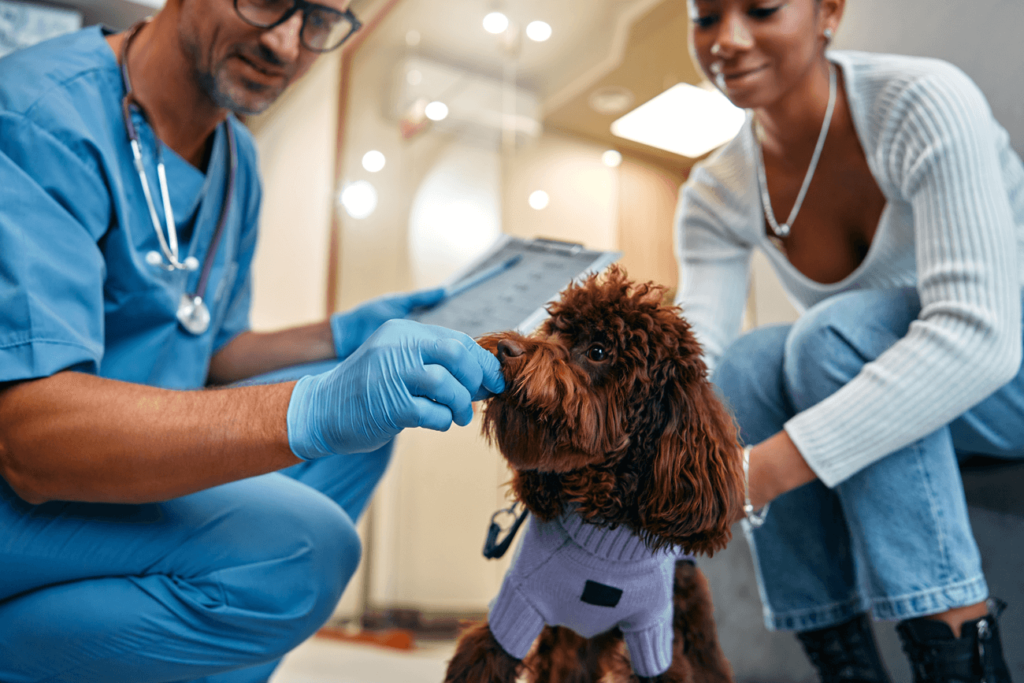
Why Dog Dental Health Matters
Dogs use their mouths every day. They eat, chew toys, carry objects, explore new smells, and communicate through play. When teeth and gums are unhealthy, your dog may experience pain that is not always obvious.
Dental problems can affect more than breath and appearance. Plaque can harden into tartar, which may irritate the gums and contribute to periodontal disease. Without proper care, bacteria and inflammation can lead to discomfort, loose teeth, difficulty eating, and more serious health concerns.
A consistent dental routine helps pet owners notice changes early. It also gives dogs a better chance of maintaining healthy teeth as they grow older.
Common Signs Your Dog May Need Dental Care
Dogs often hide pain, so it is helpful to watch for small changes in behavior. You should contact a veterinarian if you notice signs of oral discomfort or possible dental disease.
Common warning signs include:
Persistent bad breath
Yellow or brown tartar on teeth
Red, swollen, or bleeding gums
Excessive drooling
Pawing at the mouth
Difficulty chewing food
Dropping food while eating
Refusing hard treats or toys
Loose or broken teeth
Facial swelling
Changes in appetite
Sudden irritability when the mouth is touched
These symptoms may indicate that your dog needs a veterinary examination. Professional Dog Dental Treatment in Arcadia should always begin with a qualified veterinarian when there is pain, infection, bleeding, or suspected tooth damage.
Build a Simple At-Home Dental Routine
Daily care is one of the best ways to protect your dog’s teeth and gums. You do not need to make the process stressful. Instead, start slowly and use positive reinforcement.
Brush Your Dog’s Teeth Regularly
Brushing is one of the most effective ways to remove plaque before it becomes tartar. Use a toothbrush designed for dogs and pet-safe toothpaste. Never use human toothpaste because it may contain ingredients that are unsafe for dogs.
Begin by allowing your dog to smell and taste the toothpaste. Then gently touch the lips and gums before attempting a full brushing session. Short, calm sessions are better than forcing your dog to tolerate too much at once.
Try to brush your dog’s teeth several times per week. Daily brushing is ideal, but a consistent routine is more important than perfection.
Choose Safe Dental Chews
Some dental chews can help reduce surface plaque and encourage chewing. Choose products appropriate for your dog’s size, age, chewing strength, and dietary needs.
Avoid giving your dog extremely hard objects, such as bones, antlers, rocks, or hard plastic items. These can crack teeth and create painful dental problems. If you are unsure about a chew, ask your veterinarian for guidance.
Provide Fresh Water
Clean water supports your dog’s general health and helps rinse food particles from the mouth. Wash water bowls regularly to reduce bacteria buildup.
Check the Mouth at Home
Take a quick look at your dog’s teeth and gums every week. You do not need to force the mouth open. Simply lift the lips gently and look for tartar, redness, swelling, or broken teeth.
Regular checks help you identify changes early and decide when to seek Dog Dental Treatment in Arcadia from a veterinary professional.
The Difference Between Grooming Care and Veterinary Dental Treatment
Many pet owners wonder what grooming services can do for dental hygiene. Grooming can support a clean and comfortable appearance, but it is not a replacement for veterinary dental treatment.
At Shurcut Pet Parlour, regular grooming can help support your dog’s overall hygiene. A groomer may help clean around the face, remove food debris from the coat, and maintain a fresh appearance. Grooming visits also give pet owners a regular opportunity to notice changes in their dog’s mouth, breath, or behavior.
However, only a veterinarian can diagnose dental disease, perform dental X-rays, extract damaged teeth, treat infections, or provide anesthesia-based dental cleaning. If your dog has tartar below the gumline, swollen gums, bleeding, pain, or a loose tooth, schedule a veterinary dental visit.
This distinction is important for safe and responsible pet care.
How Professional Veterinary Dental Care Helps
Veterinary dental care is designed to examine and treat oral health concerns safely. A veterinarian may recommend a professional dental cleaning when plaque and tartar are present or when gum disease is suspected.
A veterinary dental appointment may include:
Oral examination
Evaluation of teeth and gums
Dental X-rays when needed
Scaling above and below the gumline
Polishing teeth
Treatment for infection or inflammation
Tooth extraction if a tooth is severely damaged
Pain management and follow-up instructions
Professional dental treatment is especially important because much of the disease can exist below the gumline, where it cannot be seen during a basic visual check.
Healthy Teeth Start with Healthy Habits
Good dental health is connected to your dog’s daily lifestyle. Nutrition, chewing habits, grooming routines, and regular veterinary checkups all play a role.
Feed a balanced diet recommended for your dog’s life stage. If your dog has a medical condition, speak with your veterinarian before adding dental chews or changing food. Some dogs may need special dietary considerations.
It is also helpful to create a routine. For example, you can brush your dog’s teeth after an evening walk or offer a veterinarian-approved dental chew at a consistent time. Dogs often respond well when care becomes predictable.
Dental Care Tips for Puppies
Puppies benefit from early mouth handling. Gently touch their muzzle, lift their lips, and introduce a toothbrush gradually. This makes future brushing easier and helps them feel more comfortable with veterinary exams.
Puppies also chew frequently while teething. Provide safe, age-appropriate chew toys and monitor them closely. If baby teeth do not fall out as expected or adult teeth appear crowded, contact your veterinarian.
Starting dental care early can make a major difference over your dog’s lifetime.
Dental Care Tips for Senior Dogs
Senior dogs may be more likely to have tartar buildup, gum disease, worn teeth, or sensitivity. Older pets may also have health conditions that affect their ability to undergo dental procedures.
If your senior dog has bad breath, avoids food, chews on one side, or seems uncomfortable, schedule a veterinary exam. Your veterinarian can recommend the safest plan for your dog’s age and health needs.
Regular grooming appointments at Shurcut Pet Parlour can also help senior dogs stay clean and comfortable. Gentle grooming and coat maintenance may be especially useful for older pets that have difficulty reaching certain areas while self-cleaning.
How Often Should Dogs Have Dental Checkups?
Most dogs should have an oral health check during their regular veterinary wellness visits. Your veterinarian may recommend more frequent dental evaluations for small breeds, senior dogs, dogs with crowded teeth, or pets with a history of dental disease.
At-home brushing should be done as often as your dog comfortably allows. Daily brushing is ideal, while brushing several times per week can still provide valuable benefits.
If you notice warning signs, do not wait for the next routine appointment. Early attention may prevent a small issue from becoming more painful or expensive to treat.
Choosing Supportive Pet Care in Arcadia
When searching for Dog Dental Treatment in Arcadia, choose a veterinary provider for diagnosis and treatment of dental disease. Ask whether the clinic performs oral exams, dental X-rays, professional cleanings, and treatment for periodontal disease.
For regular hygiene and grooming support, choose a pet care provider that treats your dog gently and understands the importance of overall wellness. Shurcut Pet Parlour provides personalized grooming care for dogs with different coat types, sizes, and comfort levels. A clean coat, trimmed nails, and regular grooming routine can complement the healthy habits you build at home.
Conclusion
Healthy teeth and gums can help your dog eat comfortably, play confidently, and enjoy a better quality of life. Regular brushing, safe dental chews, fresh water, and routine mouth checks are simple habits that can make a meaningful difference.
If you notice bad breath, tartar, swollen gums, bleeding, broken teeth, or signs of pain, contact a licensed veterinarian for proper Dog Dental Treatment in Arcadia. Veterinary dental care is the safest choice for diagnosing and treating oral health concerns.
For your dog’s everyday grooming and hygiene needs, Shurcut Pet Parlour is here to provide gentle, professional care. Regular grooming can help your dog stay clean, comfortable, and looking their best while you continue supporting their dental health at home.
Keep Your Dog Clean, Comfortable, and Well Groomed
Your dog deserves regular care that supports their comfort and confidence. From refreshing baths and coat brushing to nail trimming and full grooming sessions, Shurcut Pet Parlour provides personalized grooming for dogs of every breed and size.
👉 Book your dog’s grooming appointment with Shurcut Pet Parlour today.
Comments
Log in or sign up to join the conversation.