
There is a particular kind of magic in home renovation projects that deliver dramatic results with reasonable effort. These are the projects that remind us why we take on DIY work in the first place: not because we enjoy endless frustration, but because we love the feeling of transforming our spaces with our own hands. The DIY wainscoting wall kit embodies this magic perfectly, offering a pathway to architectural elegance that is as simple as it is satisfying. These comprehensive kits arrive with everything needed to add wainscoting to your walls, eliminating the guesswork that has traditionally made this project intimidating. Instead of spending weeks measuring, calculating, and sourcing materials, you spend a weekend installing, watching your vision become reality with each panel that goes up. For anyone seeking to add character to their home without undertaking a major renovation, these kits offer the perfect balance of simplicity and impact, proving that simple home renovations can yield truly beautiful results.
Why Wainscoting Remains a Design Favorite
Understanding why wainscoting has remained popular for centuries helps explain why it continues to be a favorite choice for home renovations. At its most basic level, wainscoting adds architectural interest to rooms that might otherwise feel flat and unremarkable. The panels create texture and shadow play that flat walls cannot achieve, catching light in ways that make spaces feel more dynamic and engaging. But the appeal goes deeper than mere decoration. Wainscoting also provides practical protection for walls in high-traffic areas, shielding them from the bumps and scuffs of daily life. In dining rooms, it guards against chair backs; in hallways, it withstands the constant passage of people and objects. Beyond protection, wainscoting adds perceived value to a home. Real estate professionals consistently note that architectural details like wainscoting make properties more memorable and desirable to potential buyers. And perhaps most importantly, wainscoting creates a sense of permanence and quality, signaling that care and attention have been invested in the home. These combined benefits explain why wainscoting remains a go-to choice for homeowners seeking meaningful improvement.
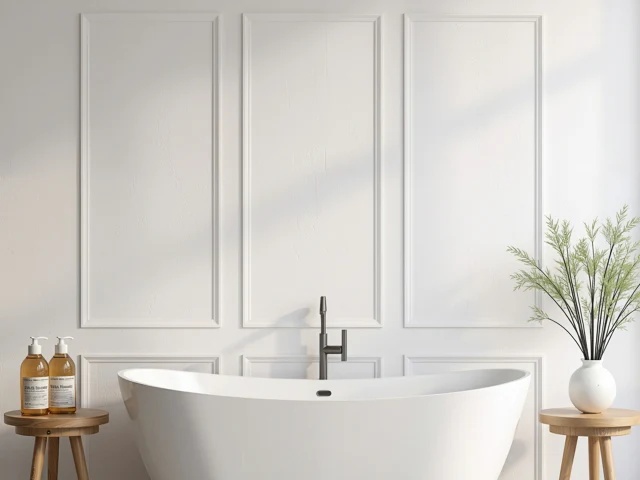
What Makes a Kit Truly DIY-Friendly
The term DIY can mean many things in the world of home improvement, but truly DIY-friendly products share common characteristics that make them accessible to ordinary homeowners. First, they eliminate complex calculations and design decisions. A good wainscoting kit arrives with pre-determined panel proportions that create balanced compositions on standard wall dimensions, so you don't need to be a mathematician to achieve pleasing results. Second, they include all necessary components, eliminating the frustration of discovering halfway through that you need to make another trip to the hardware store. Third, they simplify installation through thoughtful engineering. Corner blocks replace mitered cuts, alignment guides ensure consistent spacing, and clear instructions walk you through each step. Fourth, they use materials that are forgiving of small mistakes, allowing for adjustments during installation. Finally, they provide realistic expectations about time and difficulty, so you know what you're getting into before you begin. When a kit incorporates所有这些 elements, it transforms wainscoting from a daunting professional project into an achievable weekend endeavor.
Components of a Complete Wainscoting Kit
Opening a comprehensive DIY wainscoting wall kit reveals a thoughtfully organized collection designed for straightforward installation. The primary components are the wainscoting panels themselves, manufactured from quality materials like primed MDF or moisture-resistant polyurethane in your chosen style. These panels arrive in standard sizes, ready to be cut and fitted to your specific walls. Alongside the panels, you will find all necessary trim pieces: chair rail for the top edge, baseboard for the bottom, and corner moldings for inside and outside corners. Many kits include pre-formed corner blocks that eliminate the need for mitered cuts entirely, a feature that alone saves hours of frustration. Some kits provide installation templates or spacing guides that ensure consistent gaps between panels. The best kits include detailed instructions with clear diagrams, along with recommendations for tools and adhesives. Having everything included and coordinated from a single source means you can focus on installation rather than shopping, creating rather than calculating.
Planning Your Wainscoting Project
Even with a comprehensive kit, thoughtful planning ensures smooth installation and beautiful results. Begin by measuring each wall where wainscoting will be installed, noting the locations of windows, doors, and electrical outlets. Compare these dimensions to the panel sizes in your kit, determining how many panels each wall will accommodate and where adjustments may be needed. Consider how the pattern will flow from wall to wall around the room, particularly at corners where transitions occur. Use painter's tape to mock up your proposed panel positions directly on the wall, creating a full-scale preview of your design. This allows you to see how the proportions look in your actual space and make adjustments before any cutting or adhering begins. Walk around the room, viewing your tape mock-up from different angles and considering how it will interact with furniture. This planning phase takes perhaps an hour but ensures that when installation begins, you proceed with confidence rather than guesswork.
Preparing Your Walls for Success
The quality of your finished wainscoting depends significantly on the preparation you invest before installation begins. Start by removing any existing baseboard or trim that will interfere with your new panels. This is also the time to address any wall imperfections, filling holes and sanding rough areas smooth. If your walls have significant texture, consider whether it will show through the panels or affect adhesion, addressing it as needed. Clean the walls thoroughly with a mild detergent to remove dust and grease, then allow them to dry completely. Gather your tools before starting: a tape measure, level, circular saw or jigsaw for cutting panels, construction adhesive, finish nails or a nail gun if you are using mechanical fasteners, and painter's tape for temporary support. If your installation involves cutting around outlets or other obstacles, have a jigsaw or utility knife ready for detail work. Prepare your workspace by laying drop cloths to protect floors and ensuring good lighting for accurate work. This preparation takes time but pays dividends in the smoothness and efficiency of your actual installation.
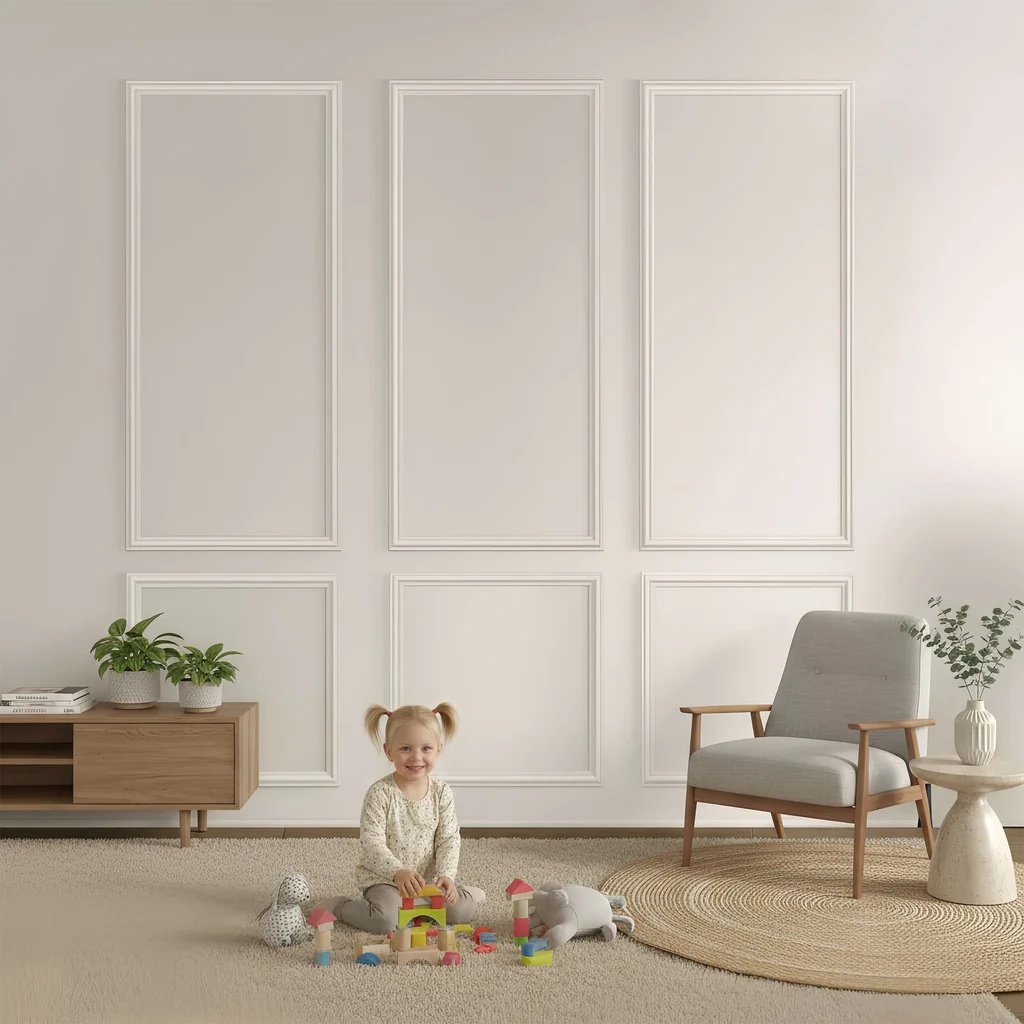
Installing Your Wainscoting Panels
With walls prepared and your layout planned, installation can proceed methodically. Begin by establishing a level line at your planned wainscoting height, using a long level to ensure accuracy around the entire room. This line will guide the top edge of your panels. Start installation in a corner, applying construction adhesive to the back of your first panel in a serpentine pattern that ensures good coverage without excess squeeze-out. Position the panel against the wall, pressing firmly to engage the adhesive, and use a level to verify that it is plumb. Secure the panel with finish nails along the edges, placing them where they will be concealed by trim or in inconspicuous locations. Continue around the room, fitting each panel tightly against the previous one. When you encounter outlets or switches, measure carefully and cut openings before installing the panel, using a jigsaw or utility knife for precision. For corners, use your pre-formed corner pieces or follow the kit's guidance for clean transitions. Take your time with each panel, ensuring alignment and fit before moving forward. The satisfaction of watching your walls transform, panel by panel, is one of the great pleasures of this project.
Adding Trim and Finishing Details
After all panels are installed, the addition of trim pieces elevates your project from simple paneling to finished wainscoting. Install chair rail along the top edge, cutting pieces to length and using corner blocks or mitered joints for professional-looking corners. Apply adhesive and press firmly into position, using a level to verify alignment. Add baseboard along the bottom edge, again ensuring tight joints at corners. Install any additional trim pieces specified in your kit, such as vertical dividers between panels if your design includes them. With all trim in place, inspect every joint where pieces meet. Apply a thin bead of high-quality paintable caulk to any gaps, smoothing with a damp finger to create invisible transitions. If you used mechanical fasteners, countersink any visible nails and fill holes with wood filler, sanding smooth once dry. Allow all caulk and filler to dry completely before moving to painting. Your panels and trim arrived pre-primed, ready to accept your chosen color. Apply paint with a small roller for broad surfaces and an angled brush for edges and recesses, building coverage until the finish is smooth and uniform. As the color goes on, watch your vision become reality, a simple home renovation that yields truly elegant results.
Comments
Log in or sign up to join the conversation.