

Introduction
The rapid expansion of digital technologies has transformed the way organizations operate, communicate, and engage with customers. Businesses today maintain extensive digital footprints through websites, cloud applications, mobile platforms, social media channels, online marketplaces, and third-party ecosystems. While this digital transformation has unlocked significant opportunities for innovation and customer engagement, it has also created an increasingly complex cybersecurity environment where organizations face continuous threats from cybercriminals, fraudsters, hacktivists, and malicious actors.
According to TechSci Research report, “Global Digital Risk Protection Market -Industry Size, Share, Trends, Competition Forecast & Opportunities, 2030F, The Global Digital Risk Protection Market was valued at USD 8.54 Billion in 2024 and is expected to reach USD 19.53 Billion by 2030 with a CAGR of 14.78% through 2030.
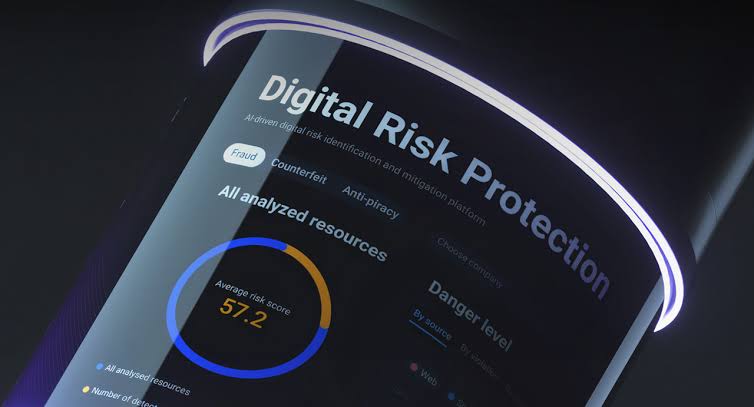
Digital Risk Protection (DRP) has emerged as a comprehensive cybersecurity approach designed to identify, monitor, analyze, and mitigate external digital threats before they negatively impact an organization's operations, brand reputation, customers, or financial performance. Unlike traditional cybersecurity solutions that primarily focus on internal networks and infrastructure, Digital Risk Protection extends beyond organizational boundaries to monitor the external digital ecosystem, including social media platforms, phishing domains, dark web forums, mobile applications, websites, executive identities, and third-party environments.
The digital economy has dramatically changed customer expectations regarding security and trust. Consumers now expect organizations to protect their personal information, maintain secure digital interactions, and respond quickly to emerging cyber threats. A single phishing campaign, ransomware incident, data breach, or brand impersonation attack can significantly damage customer confidence, reduce market value, and create long-term reputational challenges.
Request For Sample Copy of Report For More Detailed Market insight
Industry Key Highlights
Global Digital Risk Protection Market valued at USD 8.54 Billion in 2024
Expected to reach USD 19.53 Billion by 2030
Forecast CAGR of 14.78%
Social Media Protection emerged as the fastest-growing application segment
Asia Pacific became the fastest-growing regional market in 2024
Rising cyberattacks continue driving enterprise investments in external threat intelligence
Brand protection and digital trust have become strategic business priorities
Artificial Intelligence and automation are transforming threat detection capabilities
Increasing cloud adoption is expanding organizational digital attack surfaces
Regulatory compliance requirements are accelerating Digital Risk Protection implementation worldwide
Market Overview
Digital Risk Protection has become one of the most critical components of modern enterprise cybersecurity strategies. Organizations are no longer vulnerable solely through their internal networks; instead, they face continuous risks across numerous external digital channels that operate beyond traditional security perimeters.
Cybercriminals increasingly exploit publicly accessible digital platforms to impersonate brands, target executives, distribute phishing campaigns, leak confidential information, manipulate social media conversations, and compromise customer trust. Traditional security tools often lack visibility into these external environments, creating security blind spots that sophisticated attackers readily exploit.
Digital Risk Protection platforms bridge this gap by continuously monitoring the internet, social media platforms, mobile applications, dark web marketplaces, discussion forums, domain registrations, and public cloud environments. These platforms identify emerging threats in real time and enable organizations to respond proactively before incidents escalate into significant security breaches.
The increasing dependence on digital business models, online customer engagement, and interconnected ecosystems continues to strengthen demand for comprehensive Digital Risk Protection solutions across enterprises of all sizes.
Market Growth Dynamics
The Digital Risk Protection Market is expanding rapidly due to several interconnected technological and business factors.
Digital transformation initiatives have significantly increased the number of online assets organizations must secure. Every new website, cloud application, mobile platform, or social media account represents another potential entry point for cybercriminals.
The growing sophistication of cyberattacks has also changed enterprise security priorities. Modern attackers utilize artificial intelligence, automation, deepfake technologies, credential theft, and social engineering techniques to launch highly targeted attacks against organizations and their customers.
Furthermore, regulatory authorities worldwide continue strengthening cybersecurity and data privacy regulations, encouraging organizations to adopt proactive security monitoring and external threat intelligence capabilities.
These developments have positioned Digital Risk Protection as a fundamental requirement for organizations seeking to maintain operational resilience and customer confidence.
Main Drivers & Trends
Rising Frequency of Cyber Threats
One of the primary growth drivers of the Digital Risk Protection Market is the continuous increase in cyber threats targeting organizations across industries.
Cybercriminals have evolved from opportunistic attackers into highly organized groups employing advanced technologies to execute phishing campaigns, ransomware attacks, executive impersonation, domain spoofing, and data theft.
Organizations increasingly recognize that traditional cybersecurity measures alone cannot provide adequate protection against external digital threats. Consequently, businesses are investing in Digital Risk Protection solutions capable of detecting malicious activities before they affect operations or customers.
The increasing financial and reputational consequences of cyber incidents continue driving enterprise adoption worldwide.
Growing Importance of Brand Reputation
Brand reputation has become one of the most valuable assets for modern enterprises.
Organizations invest substantial resources in building customer trust, digital engagement, and online visibility. However, malicious actors frequently exploit trusted brands through fake websites, counterfeit mobile applications, fraudulent social media profiles, and phishing campaigns.
Digital Risk Protection solutions continuously monitor online environments for unauthorized brand usage, enabling organizations to rapidly identify and remove malicious content before significant damage occurs.
Research consistently demonstrates that customers lose confidence following cybersecurity incidents, making brand protection an increasingly important business priority.
Organizations that successfully protect their digital identities strengthen customer loyalty while maintaining competitive differentiation.
Emerging Trends
Artificial Intelligence Revolutionizing Threat Intelligence
Artificial Intelligence is fundamentally transforming Digital Risk Protection by enabling faster, smarter, and more accurate threat detection.
Traditional manual monitoring methods struggle to analyze the enormous volume of digital information generated daily across websites, social media platforms, forums, and dark web communities. AI-powered Digital Risk Protection platforms continuously analyze millions of digital interactions, identifying suspicious activities with remarkable speed.
Machine learning algorithms learn from historical attack patterns, allowing systems to recognize evolving threats before they become widespread.
AI also reduces false positives, enabling cybersecurity teams to focus their attention on high-priority incidents requiring immediate intervention.
As cyber threats become increasingly sophisticated, Artificial Intelligence will remain central to future Digital Risk Protection innovation.
Growing Adoption of Automation
Automation has become an essential capability within modern Digital Risk Protection solutions.
Organizations face thousands of potential security alerts every day, making manual threat investigation increasingly impractical.
Automated workflows accelerate threat identification, prioritization, investigation, and remediation while significantly reducing response times.
Automation enables organizations to remove fraudulent domains, report fake social media accounts, notify customers, and initiate incident response procedures within minutes rather than days.
The increasing shortage of cybersecurity professionals further strengthens demand for automated security operations.
Social Media Protection Becoming Critical
Social media has evolved into one of the most targeted environments for cybercriminals.
Organizations actively utilize social platforms for marketing, customer service, recruitment, and brand engagement. Unfortunately, attackers exploit these same platforms to distribute phishing campaigns, impersonate executives, spread misinformation, launch fraudulent promotions, and deceive customers.
Social Media Protection has consequently emerged as the fastest-growing application segment within the Digital Risk Protection Market.
Modern solutions continuously monitor social media channels for suspicious activity, fake accounts, unauthorized brand usage, malicious advertisements, counterfeit promotions, and fraudulent customer interactions.
By rapidly identifying and removing malicious content, organizations can significantly reduce reputational damage while protecting customers from online fraud.
Regional Analysis
Asia Pacific is the fastest-growing regional market, driven by rapid digital transformation, increasing internet penetration, expanding e-commerce, and rising cybersecurity awareness. Countries such as India, China, Japan, and Southeast Asian nations are investing heavily in digital security solutions as cyber threats continue to rise. North America remains a mature market owing to high cybersecurity investments and strict regulatory standards, while Europe continues to experience steady growth supported by strong data privacy regulations.
Real-World Use Cases
Digital Risk Protection solutions are being widely adopted across industries to address evolving cyber threats:
Banks monitor phishing websites and fake mobile applications targeting customers.
E-commerce companies identify counterfeit websites and fraudulent sellers.
Healthcare organizations protect patient information from data leaks and ransomware attacks.
Government agencies detect cyber espionage and online misinformation campaigns.
Enterprises monitor executive identities and remove fake social media profiles to prevent fraud.
Retail brands track unauthorized use of trademarks and logos across digital platforms.
Competitive Landscape
The market is highly competitive, with vendors focusing on AI-powered threat intelligence, automation, cloud-native security platforms, and strategic partnerships. Continuous innovation, acquisitions, and product enhancements remain key strategies for expanding market presence and addressing sophisticated cyber threats.
Major Market Players
ZeroFox, Inc.
LookingGlass Cyber Solutions, Inc.
Recorded Future, Inc.
Rapid7, Inc.
Proofpoint, Inc.
Cyberint Technologies Ltd.
Senseon Tech Ltd.
Kaspersky Lab, Inc.
Challenges
Despite strong growth prospects, the market faces several challenges:
Increasing sophistication of cyberattacks
Shortage of skilled cybersecurity professionals
Integration complexities with existing security infrastructure
High implementation costs for small and medium-sized enterprises
Evolving regulatory compliance requirements
Managing large volumes of security alerts while reducing false positives
Addressing these challenges will require continued investment in AI, automation, and skilled cybersecurity talent.
10 Benefits of the Research Report
Provides comprehensive market size and growth forecasts.
Offers detailed segmentation by component, deployment model, application, and region.
Identifies emerging market trends and technological developments.
Analyzes key market drivers, opportunities, and challenges.
Evaluates the competitive landscape and leading market participants.
Supports strategic business planning and investment decisions.
Delivers actionable insights into customer adoption trends.
Highlights regional growth opportunities and market potential.
Assists stakeholders in identifying high-growth business segments.
Enables organizations to develop informed market expansion strategies.
Contact US:
Techsci Research LLC
420 Lexington Avenue, Suite 300,
New York, United States- 10170
Tel: +13322586602
Email: [email protected]
Comments
Log in or sign up to join the conversation.