

Choosing the right air conditioner involves more than just cooling capacity and brand preference. One of the most important factors to understand is power requirement, especially when comparing inverter ACs and non-inverter ACs. These two types of air conditioners operate differently, and their electricity consumption, voltage sensitivity, and stabilizer needs vary significantly.
In this guide, we break down the key differences in power requirements between inverter and non-inverter ACs and explain how using the right stabilizer can improve efficiency and protect your appliance.
What Is an Inverter AC?
An inverter AC uses advanced technology to regulate the speed of its compressor based on the cooling demand. Instead of turning the compressor on and off repeatedly, it adjusts its speed continuously to maintain the desired temperature.
Power Characteristics of Inverter ACs
Variable power consumption depending on room temperature
Lower energy usage over time
Smooth and stable operation
Reduced electricity bills
Because inverter ACs adjust their power usage dynamically, they are considered more energy-efficient compared to traditional systems.
What Is a Non-Inverter AC?
A non-inverter AC operates using a fixed-speed compressor. It turns the compressor on when cooling is needed and switches it off once the desired temperature is reached.
Power Characteristics of Non-Inverter ACs
Operates at full power when turned on
Higher electricity consumption
Frequent start-stop cycles
Increased load on electrical components
This constant switching leads to higher energy usage and can create more stress on the power supply.
Key Differences in Power Requirements
Understanding how inverter and non-inverter ACs consume power can help you choose the right system for your home.
1. Energy Consumption
Inverter ACs consume less power because they adjust compressor speed. Non-inverter ACs use more electricity due to repeated on/off cycles.
2. Starting Load
Non-inverter ACs require a high starting current every time the compressor turns on. Inverter ACs have a lower starting load, which reduces stress on the electrical system.
3. Voltage Sensitivity
Inverter ACs are designed to operate within a wider voltage range, but they still require stable power for optimal performance. Non-inverter ACs are more sensitive to voltage fluctuations and may need additional protection.
4. Efficiency
Inverter ACs are more efficient in maintaining consistent temperatures, while non-inverter ACs may cause temperature fluctuations due to their on/off operation.
Do Both Types Require a Stabilizer?
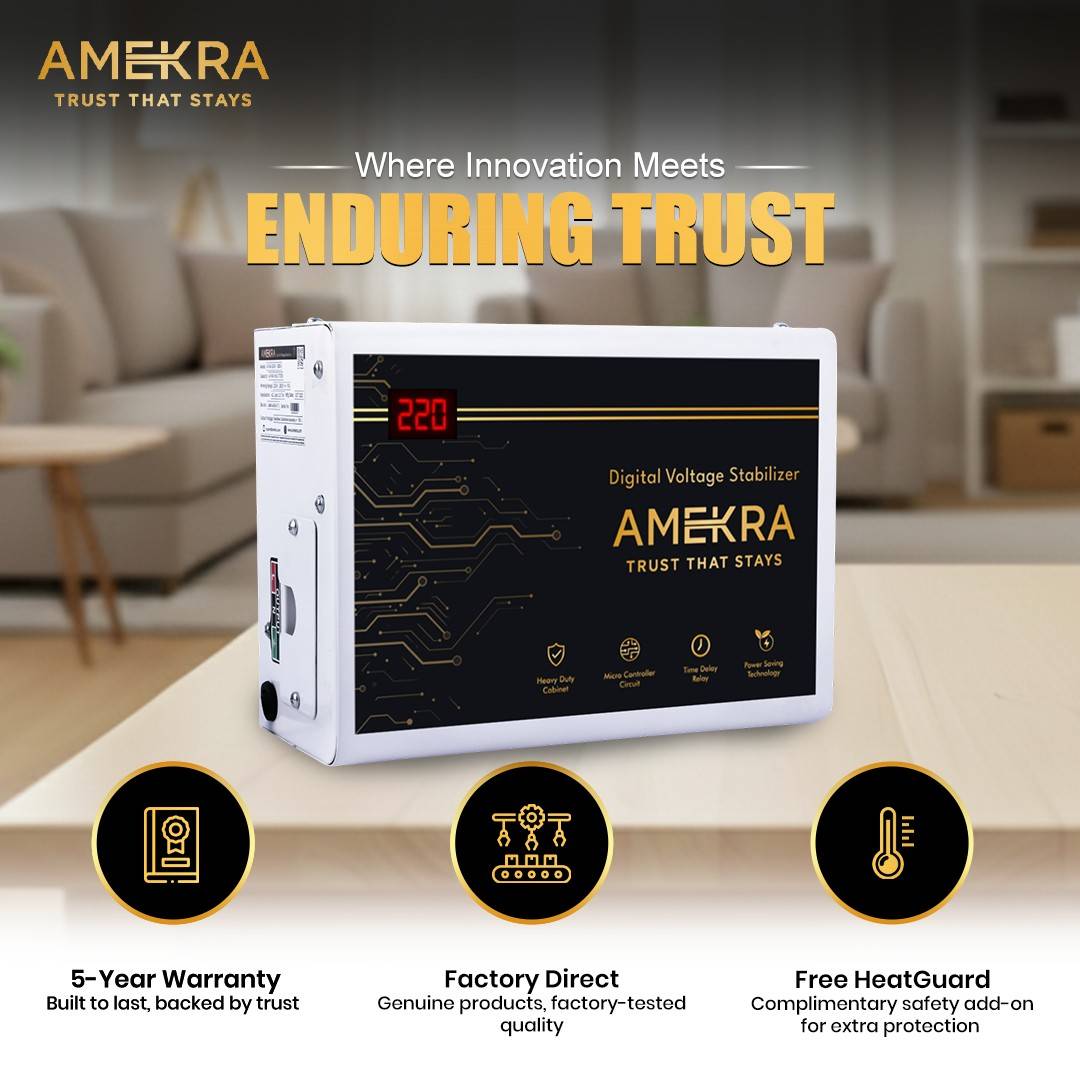
Even though inverter ACs are often marketed as “stabilizer-free,” this does not mean they are completely immune to voltage fluctuations. Both inverter and non-inverter ACs benefit from a stabilizer, especially in areas with unstable electricity supply.
For Inverter ACs
They can handle minor voltage variations, but extreme fluctuations can still damage sensitive electronics. A stabilizer adds an extra layer of protection.
For Non-Inverter ACs
A stabilizer is highly recommended due to their higher starting load and sensitivity to voltage changes.
Using the correct stabilizer capacity ensures better protection:
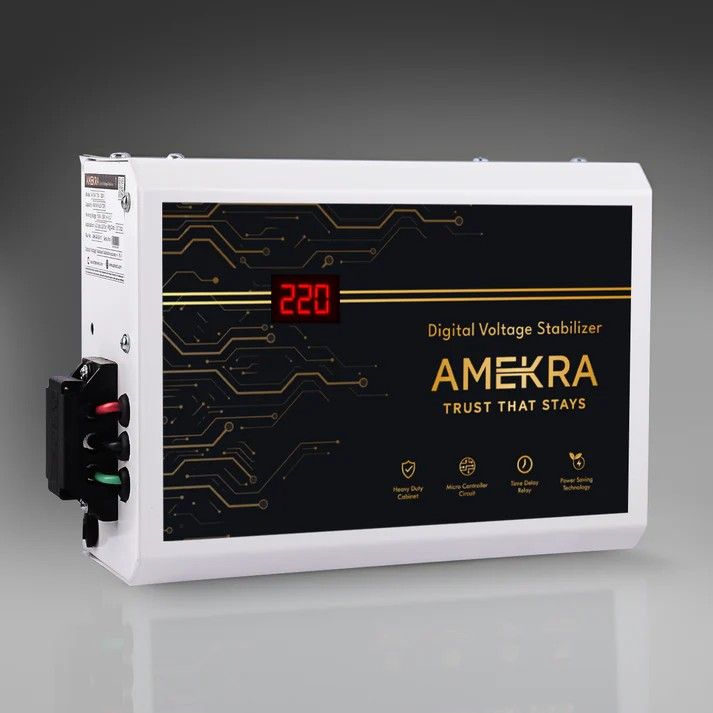
An ac stabilizer for 1 ton is suitable for small rooms and compact AC units
An ac stabilizer for 1.5 ton works well for medium-sized spaces
An ac stabilizer for 2 ton is ideal for larger rooms and higher cooling demands
Matching the stabilizer with AC capacity improves both safety and performance.
How Stabilizers Support Efficient Power Usage
A voltage stabilizer plays a key role in maintaining efficient power usage for both inverter and non-inverter ACs. It regulates voltage and ensures that the appliance receives a steady power supply.
Benefits include:
Prevents compressor overload
Reduces energy wastage caused by voltage imbalance
Improves cooling consistency
Protects internal components from damage
By maintaining stable voltage, a stabilizer helps both types of ACs operate more efficiently.
Which AC Type Is Better for Your Home?
If energy efficiency and long-term savings are your priority, inverter ACs are the better choice. They consume less electricity and provide consistent cooling. However, they still require stable voltage conditions for optimal performance.
Non-inverter ACs may be more affordable initially but tend to consume more power over time. They also depend more heavily on stabilizers for safe operation.
Regardless of your choice, investing in the right stabilizer—whether an ac stabilizer for 1 ton, ac stabilizer for 1.5 ton, or ac stabilizer for 2 ton—ensures reliable performance and protection.
Conclusion
Understanding the difference between inverter and non-inverter AC power requirements helps you make a smarter buying decision. While inverter ACs are more energy-efficient and modern, non-inverter ACs still remain a common choice for many households.
Both types of air conditioners benefit from stable voltage, and a reliable stabilizer plays a crucial role in ensuring safe and efficient operation. Choosing the right stabilizer capacity not only protects your appliance but also enhances its performance and lifespan.
Whether you opt for an inverter or non-inverter AC, ensuring proper voltage regulation is key to enjoying uninterrupted cooling and long-term savings.
Comments
Log in or sign up to join the conversation.