


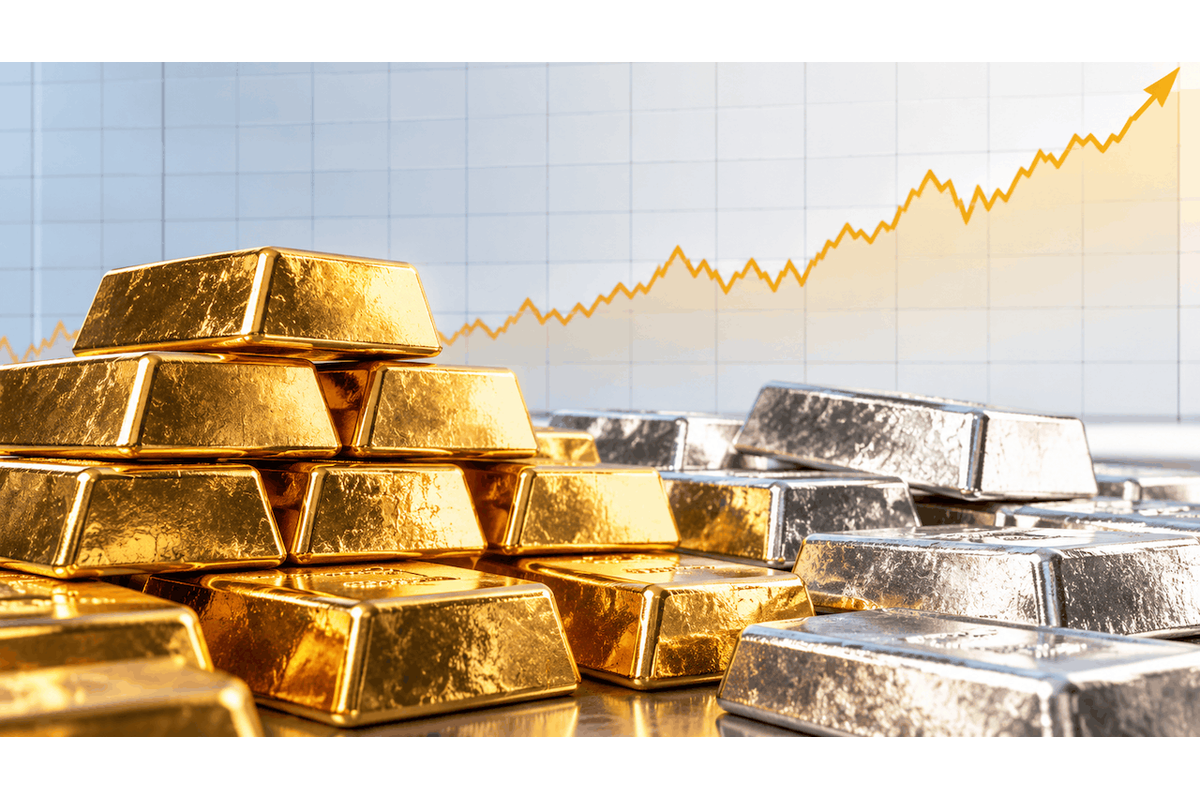
Gold broke below $4,000 an ounce on Wednesday. This 28 percent drop from the record highs of January is certainly painful, but deep corrections are not unusual in a bull market.
In a recent note, Solomon Global managing director Paul Williams said investors need to put the recent price movement into perspective, noting that there were several big corrections during the secular bull market of the 1960s and 1970s.
“During the 1970s, gold fell by around 45 percent between its mid-decade highs and 1976 lows before surging to record levels in 1980.”
He also pointed out the 30 percent decline in the early days of the Great recession.
“These episodes demonstrate that sharp corrections have often been part of the journey for long-term gold investors, and the question they need to ask is whether the fundamental reasons for owning gold have materially changed. In my view, they have not.”
Williams said the fundamentals that drove gold and silver to record highs “didn’t disappear overnight.” These include central bank gold buying, geopolitical risks, and elevated debt levels.
“Short-term price moves are often driven by factors such as profit-taking, shifts in interest rate expectations, and currency strength, rather than by a fundamental change in gold's long-term investment case.”
In an interview with Kitco News, KraneShares Mount Lucas Managed Futures Index Strategy ETF COO and chief portfolio manager Jeffry Prior echoed Williams’ thoughts, arguing the factors driving the long-term bull market remain intact. He specifically mentioned ongoing de-dollarization, which he said is becoming “structural” and will remain “persistent.”
Prior pointed out that many countries want to shield themselves from the weaponization of the dollar, and the trend isn’t likely to slow down anytime soon.
“Countries are looking for a store of value outside of the U.S. dollar and the U.S. Treasury market. If countries are producing more oil and income starts flowing again, we don’t see that capital going into the Treasury market. We see it going back into the gold market.”
We see this de-dollarization in continued central bank gold buying. The pace of central bank purchases moderated in 2025 but remained far above the recent historical average. Official net full-year buying came in at 863.3 tonnes. That was down 21 percent year-on-year, charting the lowest level since 2021.
Even so, gold has overtaken Treasuries as the top global reserve asset. And while central bank gold purchases declined last year, they remained well above the 2010-2021 annual average of 473 tonnes.
To put that into context, central bank gold reserves increased by an average of just 473 tonnes annually between 2010 and 2021.
Prior said the recent correction creates a buying opportunity for investors.
“I think, given the repricing of gold here, it’s probably a pretty good entry point.”
While Prior remains long-term bullish on gold, he did warn that investors will likely see plenty of near-term volatility. That said, they should focus on the bigger structural themes and not the short-term interest rate fluctuations.
“Gold is a defensive asset within a portfolio. The retail flow that was going into gold has largely been cleaned up, so you probably won’t get stuck in a panic sell at this point.”

Comments
Log in or sign up to join the conversation.