

Introduction
According to TechSci Research report, “Global Crude oil pipeline Market - By Region, Competition, Forecast & Opportunities, 2021-2031”, The Global Crude oil pipeline Market will grow from USD 15.17 Billion in 2025 to USD 21.75 Billion by 2031 at a 6.19% CAGR.
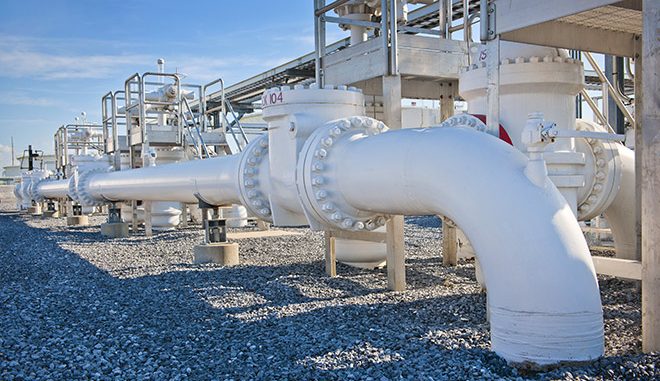
The global energy sector remains one of the most critical pillars supporting economic development, industrial growth, transportation networks, and modern lifestyles. Despite the accelerating transition toward renewable energy sources and sustainability initiatives, crude oil continues to play an indispensable role in meeting global energy requirements. As oil production and consumption levels remain substantial across developed and emerging economies, the need for efficient transportation infrastructure has become increasingly important. Among various transportation methods, pipelines continue to represent the most reliable, cost-effective, and environmentally efficient solution for transporting crude oil over long distances.
The Global Crude Oil Pipeline Market is experiencing steady growth as nations continue investing in energy security, infrastructure modernization, and cross-border oil transportation networks. The market is projected to grow from USD 15.17 Billion in 2025 to USD 21.75 Billion by 2031, registering a CAGR of 6.19% during the forecast period. This growth is primarily driven by increasing exploration and production activities, rising investments in offshore oil and gas projects, growing global energy demand, and continuous expansion of pipeline infrastructure across key producing and consuming regions.
The importance of crude oil pipelines extends far beyond transportation. Modern pipeline systems are increasingly integrated with digital monitoring technologies, predictive maintenance systems, artificial intelligence, and advanced analytics platforms that enhance operational efficiency and safety. As governments and private operators focus on reducing transportation costs, minimizing carbon emissions, and ensuring uninterrupted energy supply, pipeline networks continue to emerge as the preferred solution for crude oil transportation.
Industry Key Highlights
Global Crude Oil Pipeline Market is expected to reach USD 21.75 Billion by 2031.
Market anticipated to expand at a CAGR of 6.19% during the forecast period.
Increasing offshore exploration and production activities are driving market growth.
Offshore pipeline segment dominates the market owing to rising subsea oil developments.
Asia-Pacific is expected to remain the leading regional market.
Growing energy demand continues to support investments in pipeline infrastructure.
AI and digital technologies are transforming pipeline monitoring and maintenance.
Expansion of cross-border pipeline projects is strengthening global energy connectivity.
Governments are emphasizing safer and more efficient pipeline transportation systems.
Increasing investments in energy security initiatives are boosting pipeline development globally.
Key Market Drivers
Growing Global Energy Demand
One of the most significant factors driving the crude oil pipeline market is the continuous increase in global energy consumption. Population growth, industrial expansion, urbanization, and rising living standards are fueling demand for energy across the world.
Despite the growing adoption of renewable energy sources, crude oil remains a vital component of the global energy mix. Petroleum products continue to power transportation systems, manufacturing facilities, petrochemical industries, and numerous commercial operations.
To meet this growing demand efficiently, countries are investing in pipeline infrastructure capable of transporting large volumes of crude oil safely and economically.
Expansion of Oil Exploration and Production Activities
The global energy industry continues to invest in upstream exploration and production projects aimed at maximizing resource extraction and ensuring long-term energy security.
New discoveries in offshore fields, shale reserves, deepwater basins, and frontier regions are creating additional demand for pipeline infrastructure. Once production begins, pipelines become the preferred mode of transportation due to their efficiency and cost advantages.
Increasing exploration activities across regions such as Asia-Pacific, the Middle East, Africa, and Latin America are expected to support strong market growth throughout the forecast period.
Rising Investments in Offshore Projects
Offshore oil and gas developments represent one of the most important growth drivers for the crude oil pipeline market.
As onshore reserves mature and become increasingly challenging to exploit, energy companies are shifting their focus toward offshore resources. These projects require extensive subsea pipeline networks to transport crude oil from offshore platforms to processing facilities and export terminals.
The growing number of offshore development projects worldwide continues to create substantial opportunities for pipeline manufacturers, engineering firms, and infrastructure developers.
Cost Efficiency of Pipeline Transportation
Pipelines remain one of the most economical methods for transporting crude oil over long distances. Compared to trucks and rail transportation, pipelines offer lower operating costs, reduced fuel consumption, and higher transportation capacities.
The ability to transport large volumes continuously without significant interruptions makes pipelines highly attractive for oil producers and governments seeking to optimize logistics costs.
This cost advantage is expected to remain a major factor supporting pipeline investments globally.
Government Support and Regulatory Improvements
Governments worldwide recognize the strategic importance of energy infrastructure and continue implementing policies aimed at supporting pipeline development.
Regulatory improvements focused on safety, environmental protection, and operational efficiency are helping strengthen investor confidence. Many countries are also prioritizing energy security initiatives that encourage investments in domestic and international pipeline projects.
As regulatory frameworks become more sophisticated, the adoption of advanced pipeline technologies is expected to accelerate.
Emerging Trends in the Global Crude Oil Pipeline Market
Adoption of Artificial Intelligence and Predictive Analytics
Artificial intelligence is transforming the oil and gas industry, including pipeline operations. AI-powered platforms are increasingly used to monitor pipeline performance, predict maintenance requirements, identify anomalies, and prevent operational disruptions.
Predictive analytics enables operators to detect potential failures before they occur, reducing downtime and improving asset reliability.
The integration of AI into pipeline management systems is expected to become a major industry trend over the coming years.
Digitalization of Pipeline Infrastructure
The growing adoption of digital technologies is reshaping pipeline operations worldwide. Smart sensors, Internet of Things (IoT) devices, cloud-based monitoring systems, and advanced control platforms are improving visibility across pipeline networks.
Digitalization enables real-time monitoring of pressure levels, flow rates, temperature conditions, and equipment performance. These capabilities enhance operational efficiency while reducing maintenance costs.
As digital transformation accelerates across the energy sector, smart pipeline infrastructure is expected to become increasingly common.
Focus on Environmental Sustainability
Environmental concerns are encouraging operators to adopt technologies that minimize emissions, reduce leakages, and improve energy efficiency.
Modern pipeline systems incorporate advanced monitoring equipment designed to detect leaks quickly and prevent environmental incidents. Companies are also investing in low-carbon construction materials and sustainable operational practices.
The increasing emphasis on sustainability is expected to influence future pipeline design and development strategies.
Growth of Cross-Border Pipeline Projects
Energy security concerns are encouraging nations to strengthen regional energy cooperation through cross-border pipeline initiatives.
These projects facilitate efficient crude oil transportation between producing and consuming countries while reducing dependence on maritime transportation routes.
Growing geopolitical collaboration and energy trade agreements are expected to support the development of additional international pipeline networks.
Integration of Autonomous Inspection Technologies
Pipeline operators are increasingly deploying autonomous drones, robotic inspection systems, and AI-driven surveillance technologies to monitor infrastructure integrity.
These technologies enhance safety by enabling continuous inspection of remote and difficult-to-access pipeline segments.
The adoption of autonomous monitoring solutions is expected to expand significantly during the forecast period.
Regional Analysis
Asia-Pacific: The Leading Regional Market
Asia-Pacific is projected to dominate the global crude oil pipeline market during the forecast period.
The region's rapid industrialization, urbanization, population growth, and economic expansion continue to drive energy consumption at an unprecedented pace.
Countries such as China and India are witnessing substantial increases in energy demand, prompting investments in oil transportation infrastructure and pipeline development.
China remains one of the largest contributors to regional energy demand growth. Rising crude oil imports and domestic production activities have encouraged major investments in pipeline infrastructure.
State-owned energy companies continue expanding pipeline networks to improve transportation efficiency and strengthen energy security.
India is also investing heavily in pipeline projects aimed at supporting industrial growth, expanding refining capacity, and improving energy accessibility.
Additionally, Southeast Asian economies are increasingly developing oil and gas infrastructure to accommodate rising energy requirements.
The region's strong economic fundamentals and ongoing infrastructure investments position Asia-Pacific as the most attractive market for pipeline development.
North America
North America remains a mature yet highly significant market due to extensive pipeline networks and substantial oil production activities.
Technological advancements and investments in pipeline modernization continue supporting market growth.
Europe
Europe focuses heavily on energy security, infrastructure resilience, and diversification of supply sources. Pipeline investments remain essential for maintaining stable energy transportation systems.
Middle East & Africa
The Middle East remains a major crude oil producing region with extensive pipeline networks supporting exports and domestic transportation.
African nations are increasingly investing in pipeline infrastructure to monetize hydrocarbon resources and enhance economic development.
Latin America
Growing exploration activities and energy sector reforms are creating opportunities for pipeline development across Latin America.
Competitive Analysis
Public Joint Stock Company Gazprom
Kinder Morgan
China Petroleum & Chemical Corporation
China National Petroleum Corporation
Transneft
Enbridge
TC Energy
Energy Transfer
Customers can also request 10% free customization on this report.
Challenges Facing the Market
Despite positive growth prospects, the market faces several challenges.
Environmental Concerns
Pipeline construction and operation must comply with increasingly stringent environmental regulations.
Geopolitical Risks
Cross-border pipeline projects can be affected by geopolitical tensions and regulatory complexities.
High Capital Investment Requirements
Pipeline projects require substantial financial investments, often involving long development timelines.
Operational Safety Risks
Maintaining pipeline integrity and preventing leaks remain critical priorities for operators worldwide.
Addressing these challenges will be essential for sustaining long-term market growth.
10 Benefits of the Research Report
1. Comprehensive Market Insights
Provides a detailed understanding of market structure, dynamics, and growth potential.
2. Accurate Market Forecasts
Offers reliable projections to support strategic planning and investment decisions.
3. Competitive Intelligence
Analyzes major market participants and their competitive strategies.
4. Emerging Trend Identification
Highlights evolving industry trends and technological developments.
5. Growth Opportunity Assessment
Identifies promising market segments and regional opportunities.
6. Risk Evaluation
Provides insights into potential market challenges and operational risks.
7. Strategic Decision Support
Assists stakeholders in making informed business decisions.
8. Regional Market Analysis
Offers detailed insights into regional growth patterns and demand drivers.
9. Technology Outlook
Examines innovations shaping the future of pipeline infrastructure.
10. Investment Planning Assistance
Supports investors in identifying high-potential opportunities within the market.
Contact US:
Techsci Research LLC
420 Lexington Avenue, Suite 300,
New York, United States- 10170
Tel: +13322586602
Email: [email protected]
Web: https://www.techsciresearch.com/
Comments
Log in or sign up to join the conversation.